




Snake Plant: The Unkillable Companion
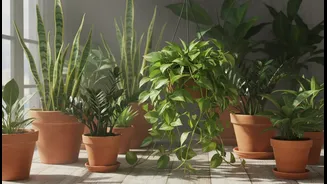
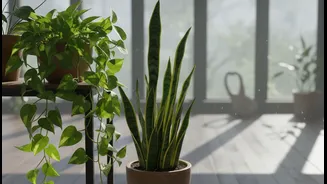
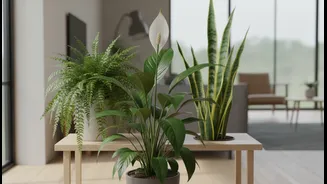
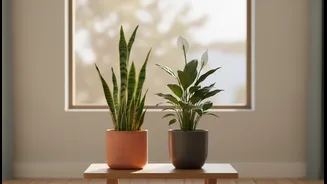
If you're new to plant parenting, the Snake Plant (Sansevieria trifasciata) is your best friend. Famous for being nearly indestructible, it thrives on neglect and is perfectly suited for the monsoon. Its striking, upright leaves don't just add a modern
architectural touch; they are excellent at purifying the air by filtering toxins. During the rainy season, the high humidity means you'll need to water it even less than usual. Its succulent-like leaves store water, making it resilient to the dampness that can cause other plants to rot. Just ensure it's in a pot with good drainage and check that the soil is completely dry before you even think about watering.
Pothos (Money Plant): The Lucky Trailing Vine
A staple in many Indian homes, the Money Plant, or Pothos, is a fast-growing vine that loves the monsoon's humid embrace. Its heart-shaped leaves look beautiful spilling from hanging baskets or trailing down a bookshelf. Pothos is incredibly forgiving and adapts well to the lower light levels of overcast monsoon days. In fact, the added moisture in the air often encourages vigorous growth, giving you lush, green foliage that brightens any corner. It’s also a powerful air purifier and, according to tradition, brings good fortune. Be careful not to overwater; the humid air keeps the soil damp for longer.
Peace Lily: The Elegant Bloomer
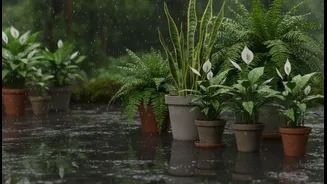
For a touch of elegance, look no further than the Peace Lily (Spathiphyllum). This plant is a monsoon superstar, not only for its glossy, dark green leaves but for its ability to produce beautiful white flowers even in low light. It thrives in moisture-rich environments, making it ideal for the rainy season. One of its unique benefits is its ability to help reduce mould spores in the air, a common problem in damp homes during the monsoon. The Peace Lily will dramatically wilt when it’s thirsty, but a good watering will have it perking up quickly, taking the guesswork out of its care.
ZZ Plant: The Glossy, Low-Maintenance Gem
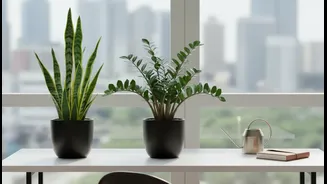
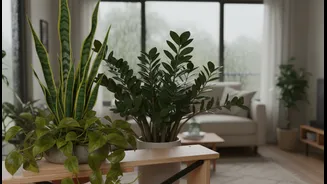
The Zamioculcas zamiifolia, or ZZ Plant, is another nearly foolproof choice for any home. With its wide, dark green, glossy leaves, it adds a touch of polished drama. The ZZ plant is drought-tolerant thanks to its large underground rhizomes that store water, so it's perfectly happy with the high humidity and requires very infrequent watering during the monsoon. It’s renowned for thriving in low-light conditions, making it perfect for brightening up a dim corner of a room that doesn't get much sun during the rains. Overwatering is its main enemy, so let the soil dry out completely between waterings.
Spider Plant: The Cheerful Air-Purifier
With its arching, striped leaves and cascading ‘babies’ (plantlets), the Spider Plant (Chlorophytum comosum) brings a cheerful, lively vibe to any room. It handles the high humidity of the monsoon with ease and is quite adaptable to varying light conditions. These plants are excellent air purifiers and are incredibly easy to propagate; just snip off one of the baby spiders and place it in water or soil. During the monsoon, they will appreciate the ambient moisture but, like their other rainy-season friends, will need less frequent watering to prevent root rot.
General Monsoon Plant Care
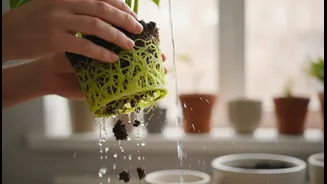
While these plants love the monsoon climate, a few general rules apply. The biggest mistake is overwatering. High humidity means soil stays wet for longer, so always check the top inch or two of soil with your finger before watering. Ensure every pot has drainage holes to let excess water escape. Good air circulation is also key to preventing fungal growth, so try not to crowd your plants too closely together. Finally, wipe down leaves occasionally to keep them dust-free and allow them to breathe.