







The Moment of 'Aagaman'
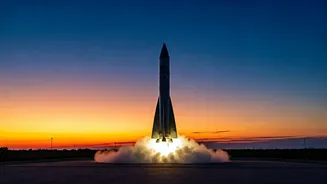
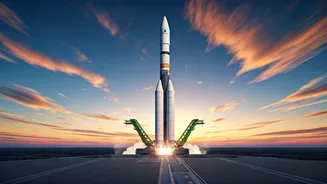
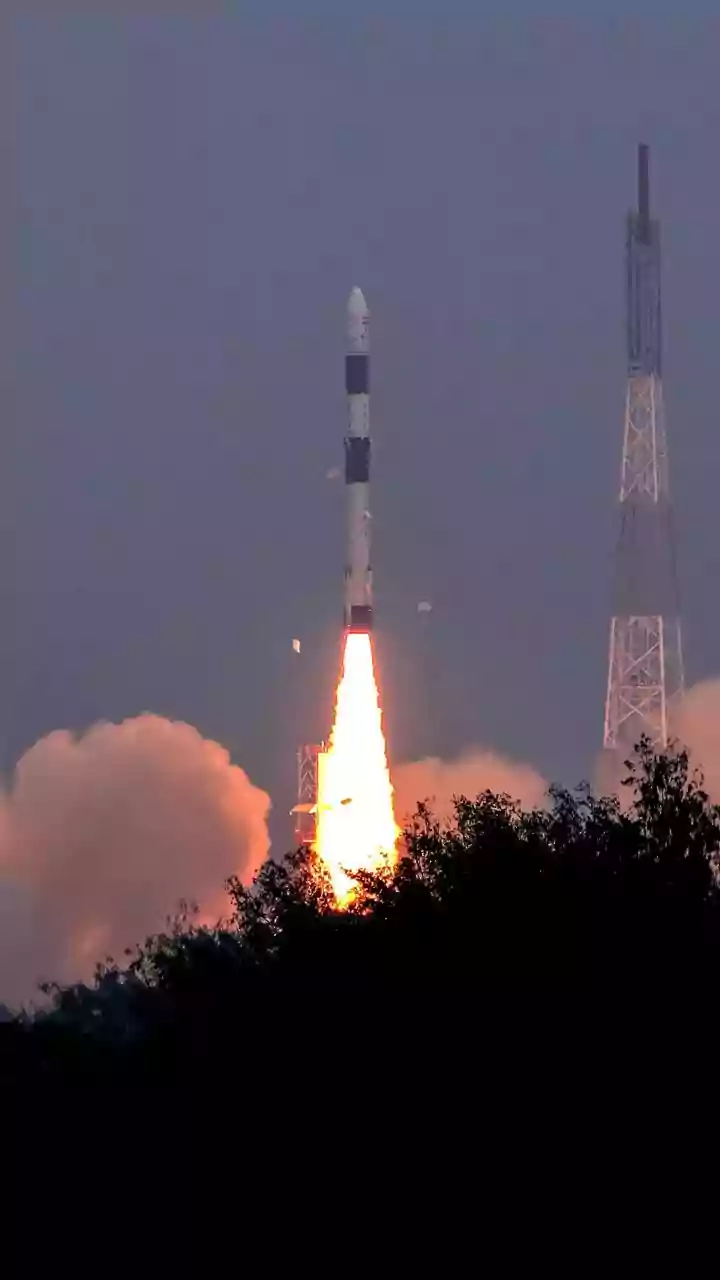
The Indian space sector is buzzing, and the source of the excitement is Hyderabad-based startup Skyroot Aerospace. On July 2, 2026, the company announced a launch window for 'Mission Aagaman', the maiden orbital flight of its Vikram-1 rocket. Scheduled
between July 12 and August 4 from the Satish Dhawan Space Centre in Sriharikota, this launch is poised to be a watershed moment: India's first-ever orbital mission by a privately developed rocket. The mission's name, 'Aagaman', translates to 'arrival'—a fitting title for a launch that signals the definitive arrival of India's private space industry onto the world stage. While Skyroot successfully launched the suborbital Vikram-S in November 2022, this orbital attempt is a far more complex and significant undertaking.
Meet the Vikram-1 Rocket
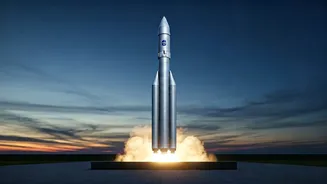
So, what makes Vikram-1 a big deal? Standing seven-storeys tall, this multi-stage launch vehicle is a marvel of modern engineering, built with an all-carbon composite structure to keep it light and strong. It’s designed to be a workhorse for the small satellite market, capable of delivering payloads of up to 350 kg to low Earth orbit. Skyroot has pioneered several homegrown technologies, including 3D-printed engines and high-thrust solid-fuel boosters. This focus on innovation and in-house development is key to their strategy: providing a reliable, on-demand, and cost-effective 'cab to space' for small satellite operators who previously faced long waits and high costs hitching rides on larger rockets.
From ISRO Scientists to Space Entrepreneurs
The story of Skyroot is as compelling as its technology. It was founded in 2018 by Pawan Kumar Chandana and Naga Bharath Daka, two former scientists from the Indian Space Research Organisation (ISRO). They left the security of the esteemed government agency to chase a bold vision: democratizing space access. Inspired by the impact of private players like SpaceX in the United States, they saw an opportunity to build a nimble, innovative company that could complement ISRO's incredible legacy. Their journey, from a small team to a 1000-strong workforce backed by major investors, embodies the spirit of India's burgeoning startup ecosystem.
A New Space Race Fueled by Policy
Skyroot’s rise wouldn't be possible without a seismic shift in government policy. In 2020, India opened its space sector to private participation, a move designed to unleash innovation and capture a larger share of the global space economy, which is projected to grow significantly. This led to the creation of IN-SPACe (Indian National Space Promotion and Authorisation Centre), a regulatory body meant to facilitate and guide private companies. This new framework allows startups like Skyroot and its contemporary, Agnikul Cosmos, to access ISRO's world-class facilities and expertise, transforming them from vendors into partners. With over 200 space startups now active, India's space economy, valued at around $8.4 billion, is projected to reach as high as $44 billion by 2033.
What Comes After Liftoff?
Mission Aagaman is primarily a technology demonstration. Its main goal is to collect crucial data on the Vikram-1's performance, from propulsion and guidance to the critical stage separation events. According to CEO Pawan Kumar Chandana, this flight data is invaluable and cannot be fully replicated on the ground. This first launch will carry a mix of domestic and international customer payloads in a partially commercial flight. A successful mission will be a massive validation of Skyroot's technology. After one or two successful demonstration flights, the company plans to begin full-scale commercial operations, offering frequent and dedicated launches that could fundamentally change the satellite launch market in India and beyond.