








Distress as a Driver for Eating
When you’re facing a tough day, feeling lonely, or simply bored, the urge to eat can feel sudden and intense. This is often called emotional eating, which is using food to cope with feelings rather than to satisfy physical hunger. Stress, in particular,
is a powerful trigger. When stressed, our bodies release the hormone cortisol, which can increase appetite and make us crave high-calorie, sugary, and fatty foods. These foods provide a temporary sense of relief or pleasure, serving as a distraction from a difficult situation. However, stress doesn't affect everyone the same way. While many people overeat in response to negative emotions, studies show that a significant portion of people actually experience a loss of appetite when anxious or stressed.
How Our Diet Can Create Distress
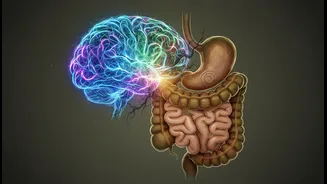
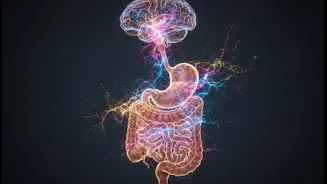
The connection also runs in the opposite direction: what we eat can directly influence our emotional state. A diet high in processed foods and sugar can cause rapid spikes and crashes in blood sugar, leading to irritability, sluggishness, and low mood. Over time, these patterns can contribute to psychological distress. Furthermore, there's the powerful gut-brain axis to consider. The gut produces a large amount of the body’s serotonin, a key neurotransmitter for regulating mood. A diet lacking in nutrients can disrupt the healthy bacteria in your gut, which in turn can impact mood regulation and emotional resilience. Beyond the biological impact, an unhealthy relationship with food can create its own distress through feelings of guilt, shame, or low self-esteem related to eating habits or weight gain.
The Self-Perpetuating Cycle
When these two pathways intersect, they can create a challenging and self-perpetuating cycle. Imagine this common scenario: you feel stressed, so you turn to a pint of ice cream for comfort. The sugar provides a fleeting moment of relief, but it’s short-lived. Soon after, feelings of guilt and shame for eating unhealthily set in. This new wave of negative emotion adds to your original stress, which can then trigger another urge to overeat, locking you into a loop that feels difficult to escape. This cycle reinforces the idea that food is a primary coping mechanism, making it harder to develop healthier ways to manage emotions.
Recognising Your Personal Triggers
Breaking the cycle starts with awareness. The first step is to identify your personal triggers without judgment. Keeping a simple food and mood journal can be incredibly insightful. For a week, try noting what you eat, when you eat, and how you were feeling just before the urge to eat struck. You might notice patterns you were previously unaware of; for example, perhaps boredom on a quiet evening is a trigger, or maybe it's anxiety before a work meeting. It's also helpful to learn the difference between physical and emotional hunger. Physical hunger comes on gradually and is felt in the stomach, while emotional hunger often appears suddenly as a craving for a very specific food.
Building a Healthier Relationship
Once you can recognise your triggers, you can find alternative ways to respond. The goal isn't to suppress your emotions, but to find non-food methods to soothe them. Creating a 'comfort menu' of activities can be a powerful tool. This could include taking a short walk, listening to music, calling a friend, or practicing a few minutes of deep breathing. Instead of restricting foods, which can increase cravings, focus on adding nutrient-rich options and allowing for occasional treats without guilt. By practicing mindful eating—paying full attention to your food and your body's hunger cues—you can remove the guilt and better appreciate how food nourishes you. Changing long-standing habits takes time, so it's important to be patient and forgive yourself for any setbacks.