








Decoding the Viral Trend
This isn't one single challenge or a video from a specific influencer. Instead, the 'viral' nature of the healthy monsoon lifestyle is a collective surge of interest in time-tested wellness practices. It’s a digital potpourri of Ayurvedic principles,
grandmother's home remedies, and common-sense advice that floods Instagram feeds and WhatsApp groups as soon as the first showers hit. The core idea is simple: the monsoon radically changes our environment, and our bodies need to adapt. This trend is about making small, intentional shifts in diet, hygiene, and daily routines to stay healthy and energetic when the weather is damp, immunity is low, and water-borne diseases are on the rise.
Lighten Your Diet
One of the central pillars of the monsoon lifestyle is eating light. According to Ayurveda, the digestive fire, or 'Agni', is weaker during this season due to the damp and cloudy conditions. Heavy, oily, and fried foods are harder to digest, leading to bloating, indigestion, and lethargy. The trend promotes easily digestible meals like warm soups (think tomato or mixed vegetable), steamed dishes, and khichdi. Traditional grains like barley, corn, and chickpeas are recommended. The advice is to favour sour and salty tastes and avoid street food, especially items that may have been exposed to contaminated water. It's about giving your digestive system a much-needed break so your body can focus its energy on fighting off infections.
The Leafy Green Controversy
A common piece of advice you’ll see is to avoid leafy green vegetables like spinach and cabbage during the monsoon. This isn't because the greens themselves are bad, but because the high moisture in the air and soil makes them a breeding ground for germs, worms, and bacteria. The dirt and grime are harder to wash off from the intricate leaves. If you can't part with your palak, the recommendation is to be extra cautious. Wash them thoroughly in a solution of salt water or with a drop of potassium permanganate, then cook them well. Alternatively, this is the perfect season to embrace gourds like lauki (bottle gourd), tori (ridge gourd), and karela (bitter gourd), which are lighter on the stomach and less prone to contamination.
Boost Immunity with Herbal Brews
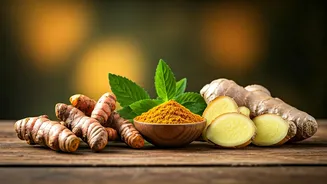
Staying hydrated is crucial, but the monsoon lifestyle trend emphasizes warm liquids over cold ones. Cold drinks can slow down digestion and make you more susceptible to catching a cold. Instead, warm herbal teas are the stars of the show. A simple cup of ginger-tulsi tea can do wonders for your throat and immunity. Boiling water with spices like cinnamon, cardamom, and black pepper creates a potent 'kadha' that helps keep infections at bay. Another popular tip is to drink warm water with a dash of honey and lemon first thing in the morning. These simple brews not only keep you warm and cozy but also act as natural decongestants and immunity boosters, preparing your body to fight off seasonal bugs.
Prioritise Hygiene and Foot Care
This might seem obvious, but hygiene gets a special focus in the monsoon. The dampness and humidity are perfect for fungal and bacterial growth. One of the most-shared tips is about foot care. Walking through puddles is almost unavoidable, which can lead to nasty fungal infections. The advice is to wash your feet with soap and warm water as soon as you get home and dry them thoroughly, especially between the toes. Keeping your home dry and well-ventilated is also key. Using neem leaves in cupboards or burning camphor can help keep insects and musty smells away. It's about creating a clean, dry sanctuary to protect yourself from the dampness outside.