








The Rising Cost of Comfort
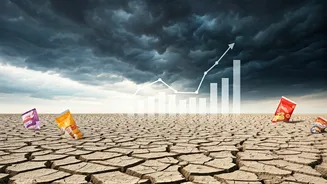
If you’ve noticed your go-to chocolate bar or bag of chips costing a bit more, you’re not just imagining it. The prices of key snack ingredients are on the rise, and extreme weather is a major culprit. Take cocoa, the heart of all chocolate. In West Africa,
where most of the world's cocoa is grown, a disruptive cycle of heavy rains followed by intense drought has devastated crops. This led to record-high cocoa prices, which surged to nearly three times their previous levels. Chocolate makers, in turn, have had to pass these costs on to consumers. Similarly, other commodities like coffee and sugar have seen significant price jumps due to unfavourable weather patterns in key growing regions like Brazil and Vietnam. This volatility means the era of cheap, predictable comfort food may be drawing to a close.
An Unstable Supply Chain, from Farm to You
The problem starts in the field but doesn’t end there. In India, climate change is posing a direct threat to staple crops like potatoes, a cornerstone of the nation’s snack industry. Unseasonal rains, frost, and rising temperatures are making potato cultivation more challenging. Temperatures above 30°C can slow tuber growth, reducing yields significantly. Projections indicate that without adaptation, potato yields in the Indo-Gangetic plains, which account for 85% of India's production, could decline by over 13% by 2050. This directly impacts everything from local chip brands to large-scale frozen foods. Beyond the farm, climate change disrupts the entire supply chain. Extreme weather events can damage storage facilities, shut down transportation routes, and increase the cost of energy needed for manufacturing and logistics, adding further pressure on the final price.
How Snack Companies Are Responding
Food companies are caught between rising costs and the risk of losing customers. Their response has been multi-faceted. Many have started by increasing prices to protect their profit margins. However, they are also aware that there is a limit to what consumers will pay. As a result, companies are now focusing more on building resilience into their supply chains. This includes diversifying where they source ingredients, investing in climate-resilient farming practices, and collaborating with farmers to promote sustainability. Some companies are also reformulating products, potentially reducing the amount of a high-cost ingredient or seeking alternatives. While many major food companies have set emissions reduction targets, progress has been slow, especially in addressing agricultural and supply chain emissions, which are the most significant and difficult to control.
The Rise of the Conscious Snacker
As prices fluctuate, consumer habits in India are also evolving. There's a growing movement towards healthier and more mindful snacking. More than ever, urban consumers are reading labels, looking for cleaner ingredients, and preferring baked over fried options. This shift is not just about personal health; it's creating an opening for brands that prioritize sustainability. While the trend is still developing, a greater awareness of the food system's environmental footprint is starting to influence purchasing decisions. This is happening alongside a continued love for traditional, indulgent snacks, creating a dual market where consumers buy healthier options for daily routines and classic treats for special occasions. Brands that are transparent about their sourcing and environmental impact may find themselves with a growing base of loyal customers.