


The Cruciferous Superfood Family
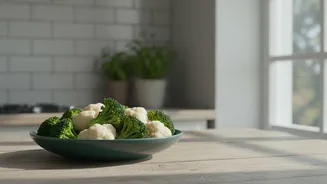
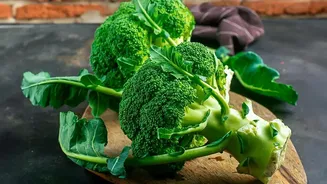
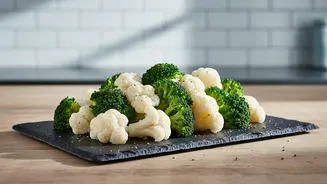
Cruciferous vegetables belong to the mustard family, known scientifically as Brassicaceae. This diverse group includes everyday favourites like broccoli, cauliflower, cabbage, kale, Brussels sprouts, and radishes. They are nutritional powerhouses, low in calories
but rich in fibre, folate, and essential vitamins like A, C, and K. Their real claim to fame, however, comes from phytonutrients—plant-based compounds that are believed to help lower inflammation and reduce the risk of certain diseases. Including these vegetables in your diet can help you feel full and satisfied, making them a smart choice for any meal.
Understanding Polyphenols
So, what exactly are these polyphenols the headline mentions? Polyphenols are naturally occurring compounds found in plants. Think of them as the plant's personal bodyguards, protecting it from sun damage and disease. When we eat these plants, we get to borrow those protective benefits. Polyphenols act as powerful antioxidants and anti-inflammatories in our bodies. A diet rich in these compounds is linked to a host of health benefits, including better digestion, improved brain function, and a lower risk of developing chronic conditions like heart disease, type 2 diabetes, and certain cancers.
Steaming vs. Stir-Frying: The Verdict
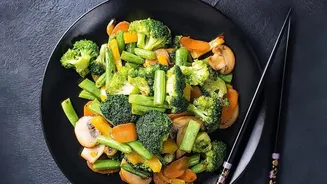
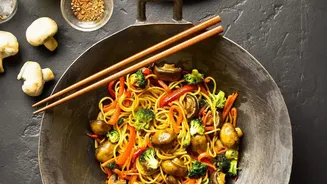
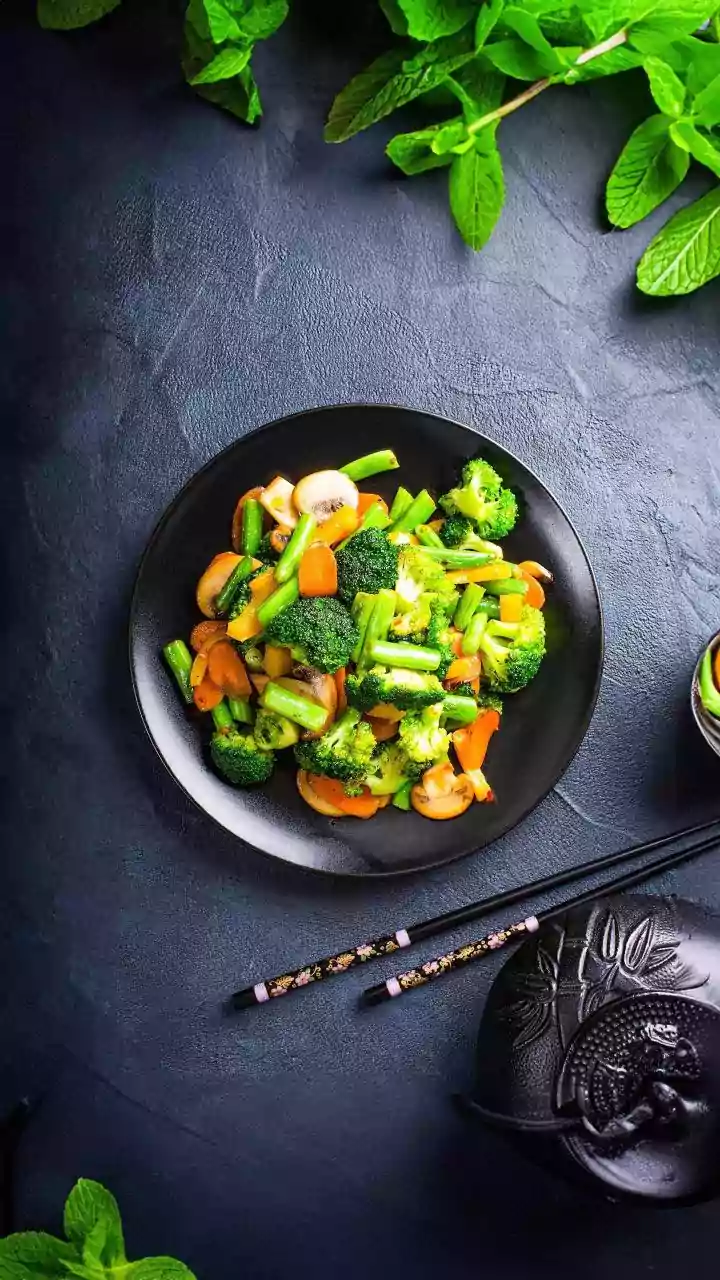
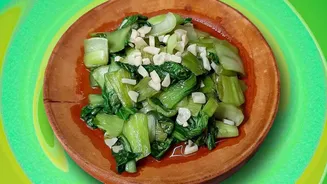
This brings us to the crucial question: how does cooking affect these valuable nutrients? Research shows that high-heat cooking methods can significantly diminish the nutritional content of vegetables. One study specifically examining broccoli found that stir-frying and boiling caused the greatest losses of health-promoting compounds, including chlorophyll, vitamin C, and glucosinolates (a key component of cruciferous vegetables). Frying can cause a loss of up to 84% of these compounds in broccoli. Steaming, on the other hand, proved to be the gentlest method. One study noted that steaming led to the lowest loss of total glucosinolates, while stir-frying resulted in the highest loss—a staggering 67%. The high heat and oil used in stir-frying can degrade delicate compounds, while steaming uses indirect, moist heat that better preserves them.
The Art of Perfect Steaming
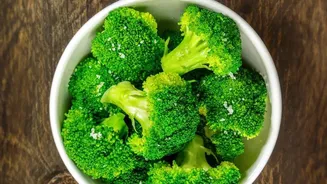
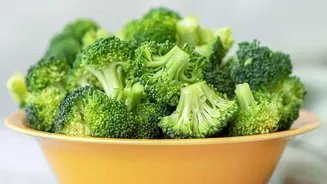
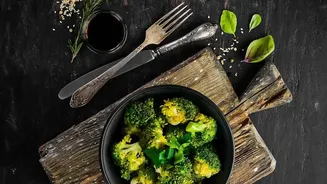
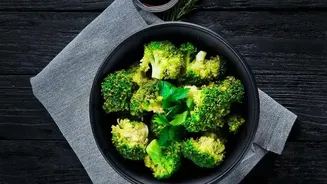
To get the most out of your vegetables, steaming them correctly is key. The goal is a tender-crisp texture, not a mushy mess. Start by cutting your vegetables into uniform, bite-sized pieces. Use a steamer basket inside a pot with about an inch of water, ensuring the water doesn't touch the vegetables. Bring the water to a boil, add the vegetables, cover, and steam for just a few minutes. For broccoli and cauliflower florets, 3-5 minutes is often enough. They should turn a vibrant bright green and be easily pierced with a fork but still have a slight crunch. This quick, gentle cooking process helps retain the colour, flavour, and, most importantly, the nutrients.
Other Healthy Cooking Options
While steaming is a top choice, it's not the only way to cook your cruciferous vegetables healthily. Microwaving with a small amount of water has been shown to retain nutrients well, often performing similarly to steaming. Roasting is another excellent option; tossing vegetables with a little oil and roasting at a high temperature until tender and slightly browned can enhance their natural sweetness. The key is generally to limit the amount of water the vegetables come in contact with and to avoid excessively long cooking times. Boiling, for instance, tends to cause water-soluble vitamins and polyphenols to leach out into the cooking water, which you then discard.