





Understanding the Fats in Your Pan
First, let's clarify what we're talking about. The fats to reconsider for daily, high-heat cooking fall into two main groups. The first is saturated fats, found in butter, ghee, palm oil, and vanaspati. The second group consists of industrially produced
refined oils. These oils are extracted using high heat and chemical solvents, which strips them of their natural colour, flavour, and most importantly, their nutrients. While they have a long shelf life and high smoke point, the refining process can degrade their quality, and some may contribute to inflammation in the body.
What Are Cold-Pressed Oils?
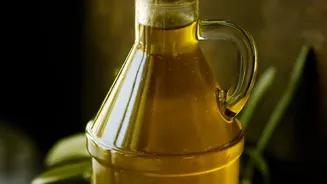
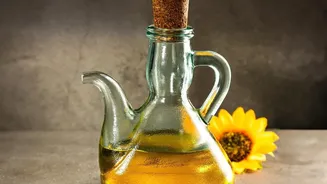
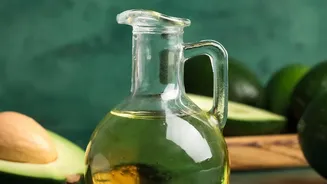
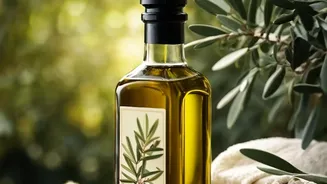
Cold-pressed oils are the complete opposite. They are extracted mechanically by crushing seeds, nuts, or fruits at a low temperature, typically below 50°C. This gentle, heat-free process is like making fresh juice; it ensures the oil retains its natural flavour, aroma, and a wealth of beneficial nutrients. Think of the rich taste of actual olives in a good olive oil or the nutty fragrance of pure sesame oil—that's the result of cold-pressing. This method avoids the use of chemical solvents, bleaching, and deodorizing, resulting in a purer, more natural final product.
The Nutritional Advantage
The primary reason experts champion this switch is nutrition. The high-heat, chemical-driven process used to make refined oils destroys many of the naturally occurring vitamins and antioxidants. In contrast, cold-pressed oils are packed with these beneficial compounds. They are often rich in Vitamin E, a powerful antioxidant, as well as polyphenols and other bioactive compounds that help fight inflammation and cellular damage in the body. By preserving these nutrients, cold-pressed oils do more than just cook your food; they contribute positively to your overall health, supporting heart function and a healthy immune system.
Making the Switch in Your Indian Kitchen
Adopting cold-pressed oils doesn't mean giving up on traditional flavours. In fact, it can enhance them. Many oils ideal for Indian cooking are available in cold-pressed versions. For daily cooking like making sabzis, dals, and tadkas, cold-pressed groundnut, sesame, and mustard oils are excellent choices. They have smoke points suitable for most Indian cooking methods. Cold-pressed coconut oil is perfect for South Indian dishes and can withstand higher heat. A great strategy is to practice oil rotation—using different cold-pressed oils for different dishes. This not only adds varied flavours but also provides a wider spectrum of nutrients.
How to Choose and Use Them
When shopping, look for labels that explicitly say "cold-pressed," "wood-pressed," or "virgin." These terms indicate minimal processing. While some cold-pressed oils like flaxseed oil are delicate and should not be heated, many others are versatile. Cold-pressed groundnut oil is great for general cooking and even frying. Cold-pressed mustard oil lends a pungent, authentic flavour to curries, and cold-pressed sesame oil is wonderful for tempering and in chutneys. Though they might be priced slightly higher than refined oils, the investment reflects their superior quality and the health benefits they offer. Start by replacing your regular refined oil with one or two cold-pressed alternatives and explore the difference in taste and well-being.