




A Treasure Lost to Light
For most of us living in cities, the true night sky is a distant memory, a concept seen only in pictures. The relentless glow of streetlights, buildings, and advertising billboards creates a phenomenon called light pollution, which washes out all but
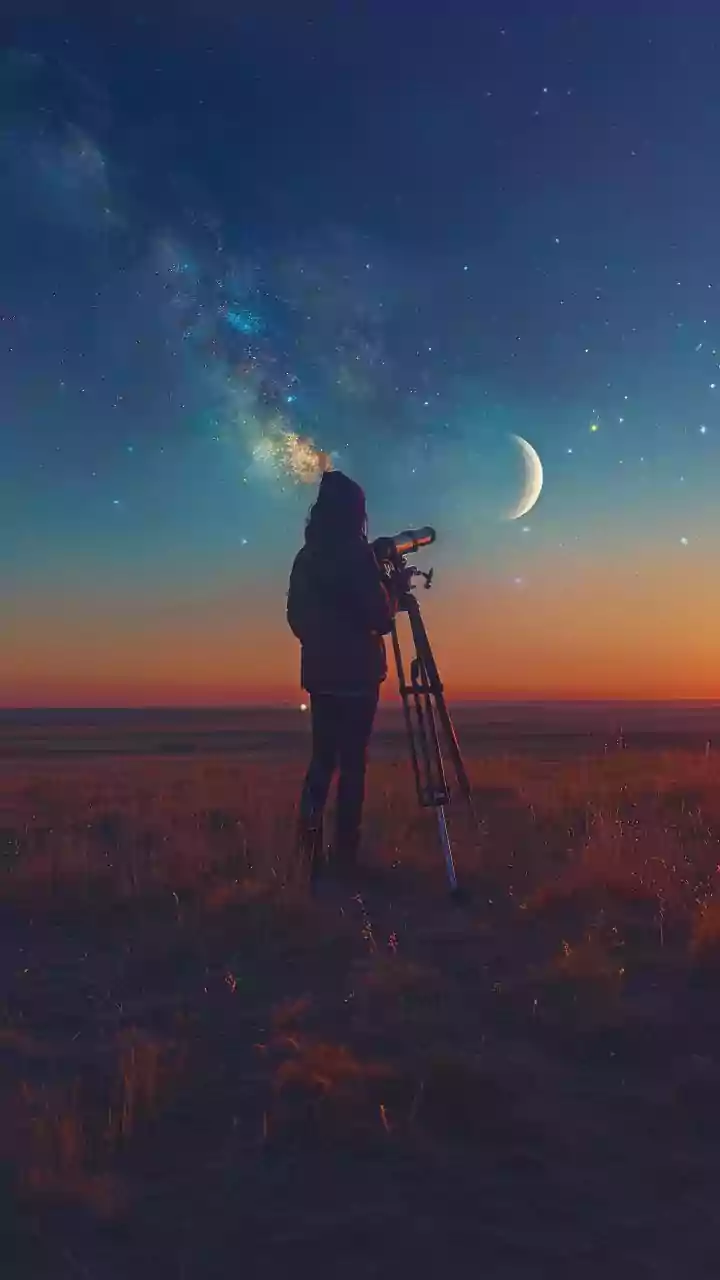
the brightest stars. This isn't just a loss for stargazers; it disrupts entire ecosystems, affecting the behaviour of nocturnal animals and even human sleep cycles. For generations, the sky was a source of wonder, navigation, and cultural storytelling. Today, an urban child born in India may never see the Milky Way from their home. But in a few remote pockets, the darkness still holds strong, and a community in Maharashtra is recognising it not as emptiness, but as a valuable natural resource worth protecting.
The Vision of Udmal Village
In the Surgana taluka of the Nashik district lies Udmal, a small tribal village that is quickly becoming the centre of a quiet revolution. The local Gram Sabha has passed a resolution to actively protect its pristine night skies from encroaching light pollution. This community-led initiative aims to have Udmal certified as Maharashtra's first official 'Dark Sky Community' by DarkSky International, a global authority on the matter. The plan is simple yet profound: implement smarter, shielded lighting that points downwards where it's needed, instead of wastefully spilling into the sky. The goal is not less light, but wiser light. It's a grassroots decision to preserve a heritage that is increasingly rare and, as it turns out, economically valuable.
From Stargazing to Sustainable Salaries
The project in Udmal is about more than just preserving a view; it's a blueprint for a sustainable local economy. The district administration has sanctioned ₹42.1 lakh to develop astro-tourism in the region. This funding, provided under the District Annual Tribal Sub-Plan, directly links the conservation effort to the creation of livelihoods for the local tribal community. The plan involves training local youth to become 'astro-guides', capable of leading stargazing sessions and educating visitors about the cosmos. This creates skilled employment that doesn't require displacing people to cities. Furthermore, it opens up opportunities for eco-friendly homestays, local craft sales, and a unique tourist experience that complements Nashik’s existing attractions like vineyards and temples.
A Model for Maharashtra and Beyond
Udmal’s initiative is not happening in isolation. It is a key pilot location for Maharashtra's broader Dark Sky Policy, which has identified 11 potential sites for developing astro-tourism, including areas near Pench and Tadoba-Andhari Tiger Reserves. This positions the state to become a leader in a growing global travel trend. The project is being implemented in collaboration with AstronEra, a Pune-based NGO that is helping with technical assessments and awareness campaigns. By connecting celestial heritage with economic empowerment, the Udmal model provides an inspiring example of community-led conservation. It demonstrates how protecting the environment can go hand-in-hand with creating prosperity, ensuring that the benefits of tourism flow directly to the people who call the region home.