




The Unseen Risks of Poor Airflow
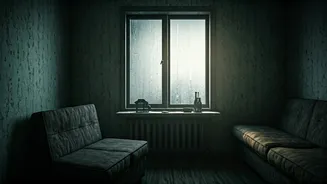
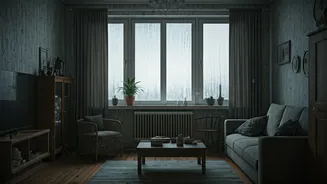
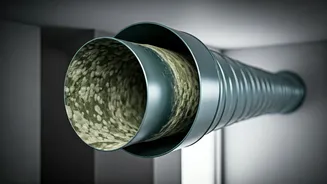
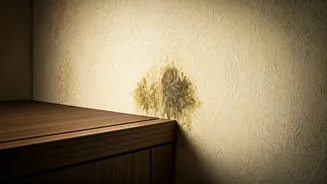
When your apartment has poor ventilation, humidity gets trapped indoors. This creates an ideal breeding ground for mould and mildew, which can appear as ugly patches on walls and furniture. More importantly, mould releases spores that can trigger allergies,
asthma, and other respiratory problems. Beyond mould, stagnant air allows pollutants from cooking and cleaning to accumulate, and the high moisture content can damage wooden furniture, electronics, and even clothes. This trapped, damp air is also perfect for dust mites, another major cause of allergies.
Embrace Cross-Ventilation
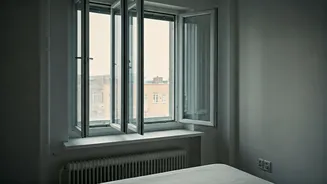
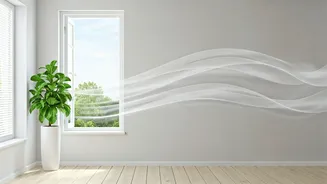
The simplest and most effective way to ventilate is by encouraging cross-ventilation. This means creating a pathway for fresh air to move through your home. To do this, open windows or doors on opposite sides of your flat. This creates a pressure difference that pushes stale, humid air out and pulls fresh air in. You don't need a strong breeze; even a slight airflow makes a difference. Try to do this during drier parts of the day, like in the morning or when the rain has temporarily stopped. Even cracking windows open for 15-20 minutes can significantly improve indoor air quality.
Use Fans Strategically
Fans are not just for cooling; they are essential for air circulation. While ceiling fans help, portable table or pedestal fans can be used more strategically. For rooms with only one window, place a fan facing outwards to push the humid, stagnant air outside. This will help draw fresher air in from other parts of the house, like an open doorway. You can also create your own cross-ventilation by placing one fan near a window to pull air in and another near a door to push it through the flat. This continuous movement prevents air from becoming stagnant.
Harness the Power of Exhaust Fans
Your kitchen and bathroom are the biggest sources of humidity in the home. Using an exhaust fan in these areas is crucial. Run the kitchen chimney or exhaust fan every time you cook, not just when there's smoke. Similarly, run the bathroom exhaust fan during and for at least 15-20 minutes after a shower to pull steam and moisture out of the air. If your flat has these fans, using them consistently is one of the most effective ways to reduce overall indoor humidity.
Consider Investing in a Dehumidifier
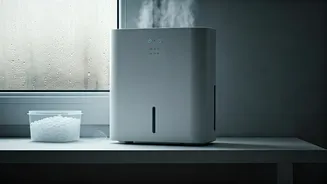
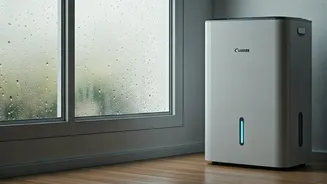
In very humid climates like those in many parts of India, a dehumidifier can be a game-changer. These appliances work by pulling moisture directly from the air and collecting it as water in a tank. While an AC's 'dry mode' can help, a dedicated dehumidifier is far more effective at controlling humidity without significantly cooling the room. They are particularly useful for small apartments or specific rooms that feel perpetually damp, helping to prevent mould growth and protect valuables from moisture damage. Portable models are available for single rooms and can make a huge difference in comfort.
Adopt Small, Impactful Habits
A few simple changes in your routine can also help manage humidity. If you dry clothes indoors, do it in a single, well-ventilated area with a fan running, rather than spreading them throughout the house. Wipe down condensation from windows and other surfaces to prevent water from sitting. You can also use natural moisture absorbers like bowls of rock salt or charcoal briquettes in closets and small spaces to combat dampness. Even houseplants like snake plants and peace lilies can help by absorbing some moisture from the air.