






A Season of Contradictions
For the Indian automobile industry, the festive period stretching from Onam to Diwali is the most crucial part of the sales calendar. It’s a time when consumer sentiment is high, bonuses are paid, and making a significant purchase like a new car is considered
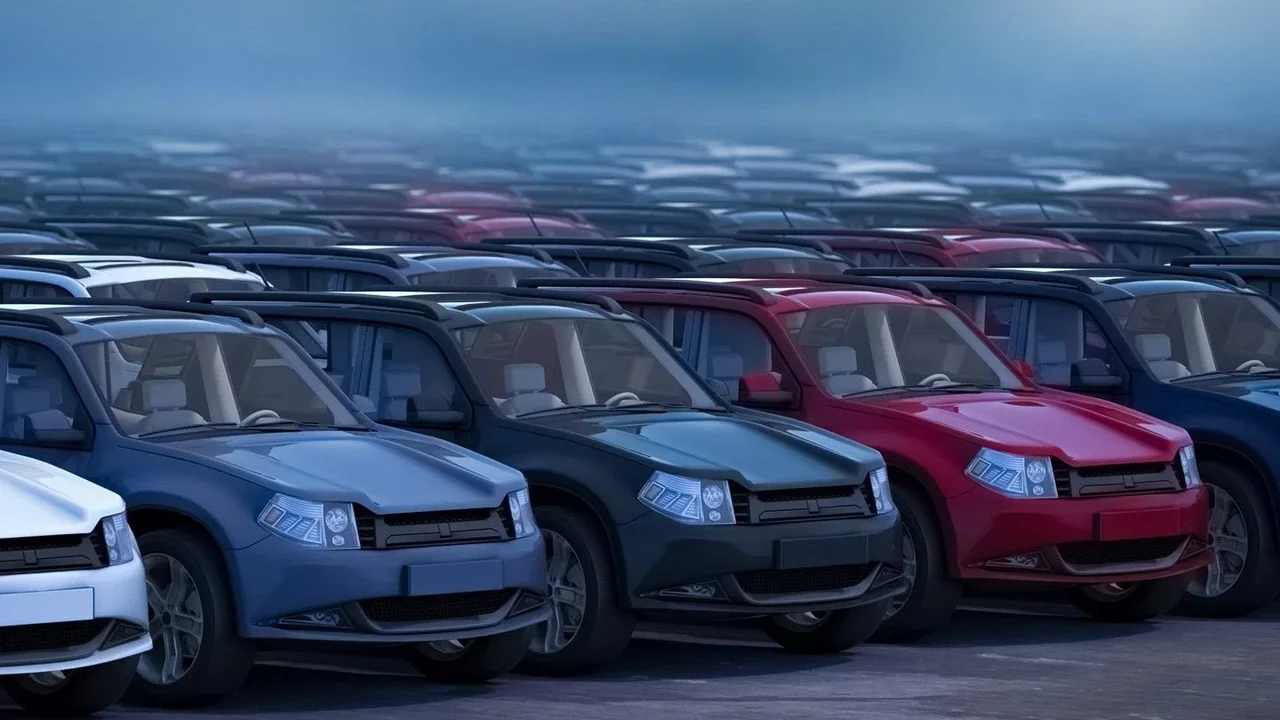
auspicious. Automakers traditionally gear up for this season by ramping up production, stocking dealerships, and rolling out marketing campaigns. This year is no different, with manufacturers increasing output and building inventory in anticipation of strong demand. July 2026 saw record vehicle dispatches to dealers, setting a buoyant tone. However, this optimism is shadowed by a persistent and unavoidable reality: cars have become more expensive throughout the year, with another round of price increases hitting just as the festive lights go up.
Why Your Next Car Costs More
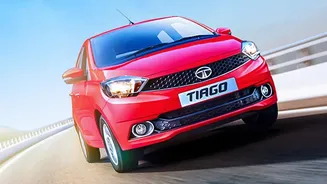
The price hikes are not arbitrary decisions but a response to a perfect storm of economic pressures. Major manufacturers including Maruti Suzuki, Hyundai, Tata Motors, and Mahindra have all announced price increases in recent months. The primary driver is the rising cost of input materials. Commodities like steel and aluminium are more expensive, and so are the complex electronic components essential for modern vehicles. Beyond raw materials, sustained general inflation has pushed up manufacturing and operational expenses. Furthermore, the depreciation of the Indian rupee against major currencies makes imported parts and technologies costlier. While automakers have tried to absorb these costs, the continued pressure has forced them to pass a portion onto the customer through repeated, calibrated price revisions.
The Automaker's High-Stakes Bet
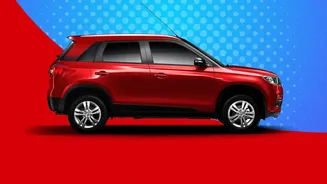
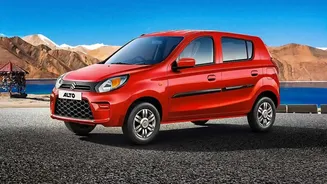
Despite raising prices, car companies are not backing away from an aggressive festive strategy. They are betting that strong underlying demand, a slew of new model launches, and the deep-rooted cultural significance of festive buying will be enough to overcome consumer hesitancy. Their approach appears to be nuanced. For example, market leader Maruti Suzuki implemented smaller price increases on its entry-level, high-volume cars while applying more significant hikes to its premium models. This strategy aims to protect the most price-sensitive segment of the market. Meanwhile, companies are heavily promoting new launches, especially in the popular SUV and rapidly growing electric vehicle (EV) segments, hoping fresh technology and designs will tempt buyers to stretch their budgets.
The Consumer's Dilemma
This leaves the Indian car buyer in a complicated position. On one hand, the desire to bring home a new vehicle during the festive season is a powerful motivator. The market is also buzzing with new and updated models, offering more choice than ever. On the other hand, the cumulative effect of multiple price hikes means that the same car is noticeably more expensive than it was a year ago. This forces a difficult choice: buy now and absorb the higher cost, postpone the purchase in hopes of better deals or a price correction down the line, or downgrade to a lower variant or smaller model to stay within budget. While retail demand has remained robust, and bookings are strong, the real test will be how many of these bookings convert into actual sales at the new, higher prices.