
A Human Outpost in the Sky
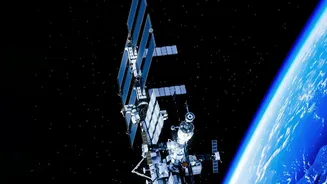
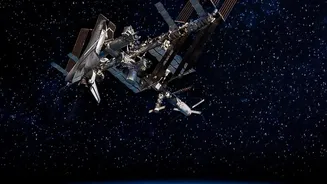
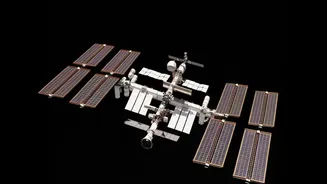
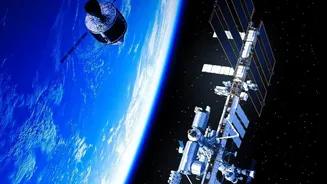
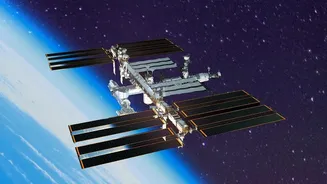
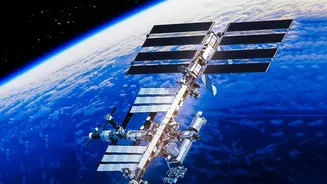
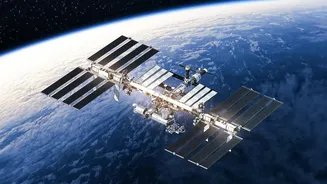
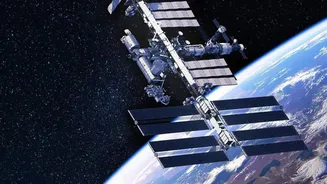
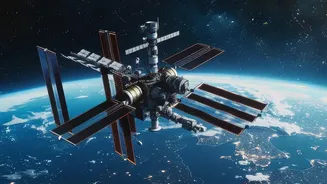
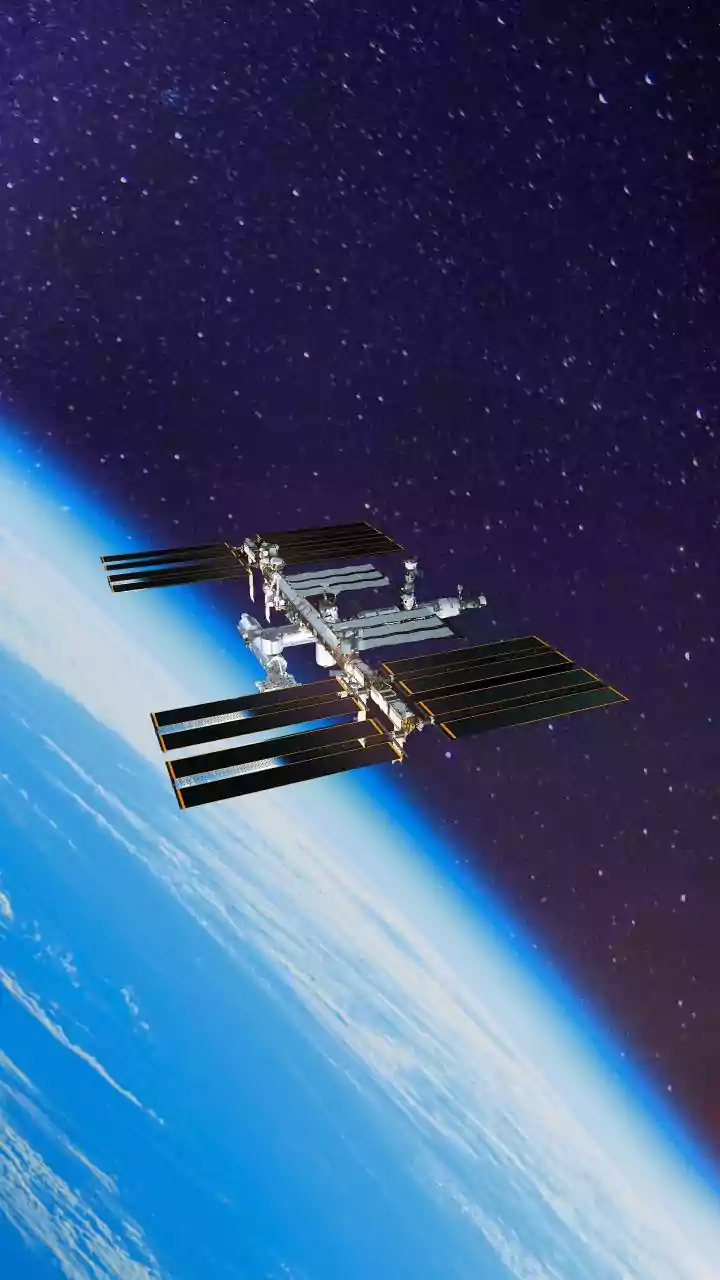
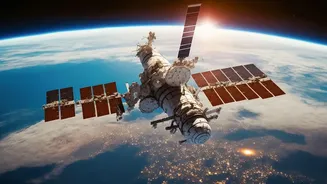
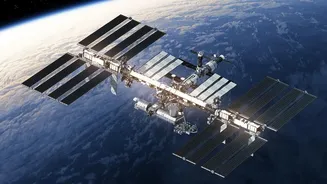
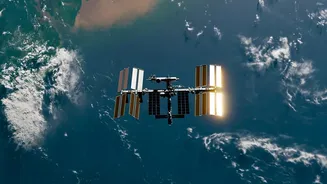
Orbiting Earth at a blistering 17,500 miles per hour, the International Space Station (ISS) is the largest human-made object in space. For over two decades, it has been a continuous home for astronauts conducting research that benefits life on our planet.
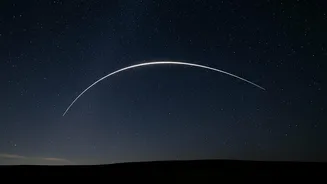
While it may seem distant, this marvel of engineering is often visible to the naked eye. What you see is not the station’s own lights, but the sun's light reflecting off its massive solar arrays and modules. Spotting it is like witnessing a silent, bright star moving steadily across the darkness, a reminder of human ingenuity floating 250 miles above.
Why Timing Is Everything
You can't just look up at any random time and expect to see the ISS. Sightings are only possible under specific conditions. For you to see it, it must be dawn or dusk at your location. This is the magic window when the sky is dark enough for the station to be visible, but the ISS itself is still high enough to be illuminated by the sun, which is below your horizon. Because it orbits the Earth every 90 minutes, its path over any given location changes constantly. This is where mobile apps become essential tools, taking the complex orbital mechanics and turning them into simple, actionable alerts.
Your Mission Control: Top Tracking Apps
Several excellent and often free apps can turn your smartphone into a personal ISS tracker. The official NASA App and the dedicated Spot The Station app are fantastic starting points. Available for both iOS and Android, NASA's Spot The Station app provides precise sighting times, a real-time map of the station's location, and customizable alerts for your specific location. One of its most powerful features is an augmented reality (AR) view, which uses your phone's camera and compass to show you exactly where to look in the sky. Other highly-rated options include ISS Detector, which provides detailed information about the pass quality, and general-purpose astronomy apps like SkyView, Stellarium, and Heavens-Above, which also track the ISS among other celestial objects.
How to Prepare for a Sighting
Once you've downloaded an app, the process is straightforward. First, allow the app to use your location to get accurate predictions. Then, enable notifications. The app will send you an alert minutes or hours before a visible pass is about to occur. These alerts typically provide key details: the time the station will appear, the direction it will travel (usually from west to east), how high it will get in the sky (its maximum elevation), and how long it will be visible. The higher the elevation—with 90 degrees being directly overhead—the brighter and longer the pass will be.
Tips for the Perfect Viewing
To make the most of the experience, head outside about five minutes early to let your eyes adjust to the darkness. Find a spot with a clear view of the horizon, away from bright city lights if possible. When the time comes, look in the specified direction. You're searching for a bright, steady point of light moving much faster than an airplane. The ISS does not blink like a plane; its light is constant. It will rise from the horizon, glide silently across the sky over several minutes, and then fade as it enters Earth's shadow. You don't need a telescope or binoculars to see it, but they can enhance the view, making the bright dot appear more vivid.