






The Age of the All-in-One Menu Fades
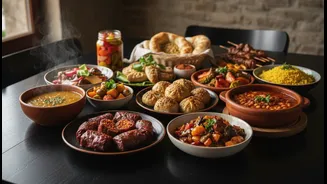
For years, dining out in India often meant encountering a predictable menu. Whether in Delhi, Mumbai, or Bengaluru, the offerings were comfortably, if uninspiringly, similar. A sprawling list of Punjabi and Mughlai staples—paneer tikka, dal makhani, and various
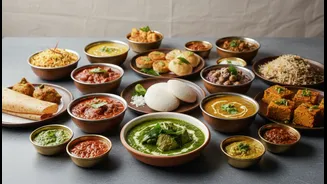
biryanis—formed the backbone, often supplemented by popular 'Indo-Chinese' dishes and maybe a few token South Indian items. This one-size-fits-all approach was born from a desire to please every palate, creating a culinary safety net where no diner would leave disappointed. The term 'Indian food' became a monolith, usually representing a handful of rich, North Indian curries. While these dishes are beloved classics, this sameness inadvertently flattened the subcontinent's staggering culinary diversity, presenting a single dialect as the entire language of Indian cuisine.
A New Confidence in the Kitchen
This era of uniformity is finally giving way to a new chapter, driven by a surge in cultural and culinary confidence. Today’s chefs are less interested in pleasing everybody and more focused on telling a specific, authentic story with their food. They are moving away from the pressure to offer something for everyone and are instead finding strength in specialization. This shift is mirrored by an evolution in the Indian diner, who is now more curious, well-travelled, and informed, partly thanks to social media and food blogs. Diners are no longer just seeking a meal; they are seeking an experience, a narrative, and a connection to something genuine. They are actively looking for the “real stuff” and are increasingly willing to explore flavors beyond the familiar, creating the perfect environment for restaurants to champion niche culinary traditions.
From 'Indian Food' to India's Foods
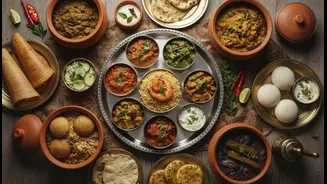
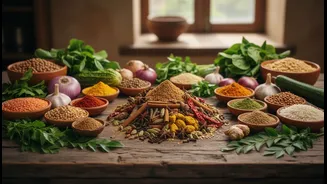
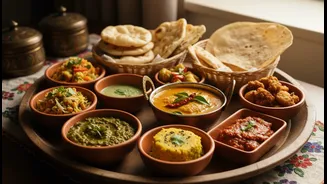
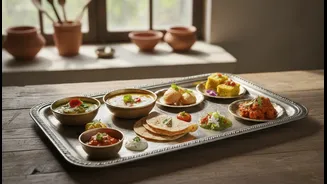
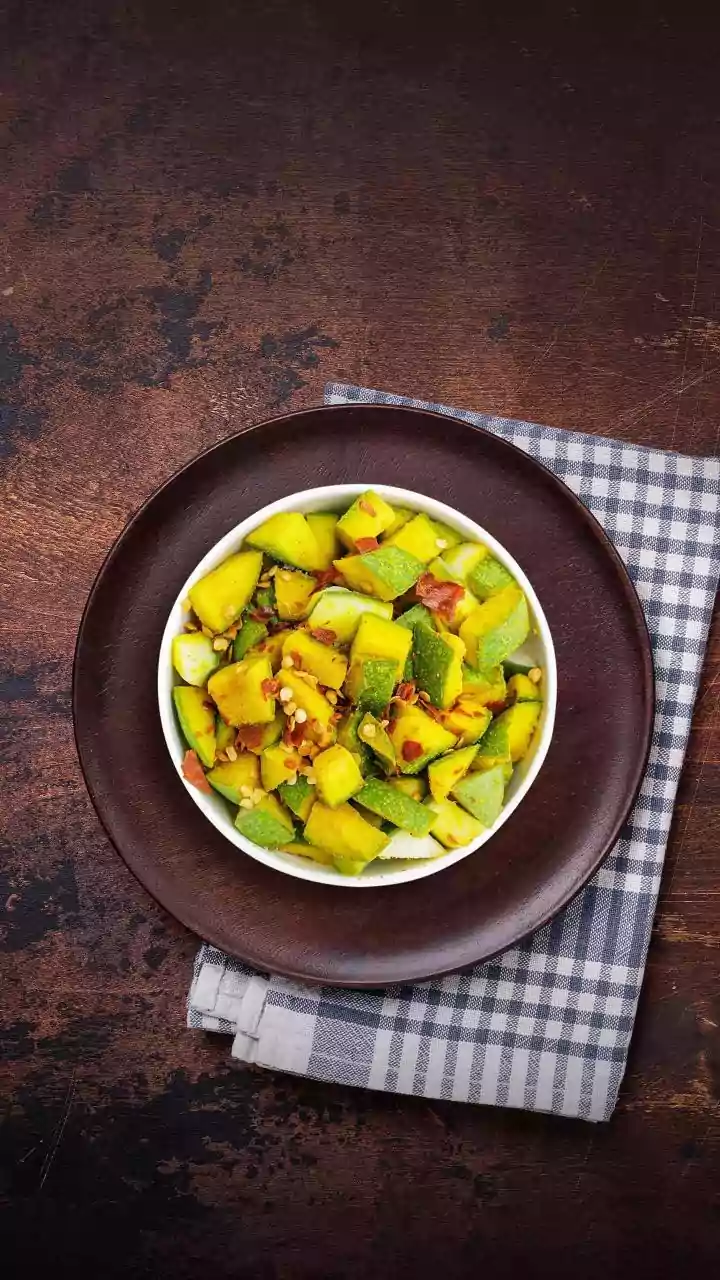
The result is a thrilling wave of hyper-regional restaurants making their mark on India's metros. Instead of a generic 'South Indian' section, you now find restaurants dedicated entirely to the distinct cuisines of Chettinad, Malabar, or Kodava. The subtle, fragrant dishes of Bengal are no longer a footnote, and the robust, smoky flavours of Naga cuisine are finding a dedicated audience. Restaurants are celebrating the unique culinary identity of communities like the Bohri or traditions from regions like Awadh and the Kumaon hills. This movement is about diving deep into a single culinary system, mastering its techniques, and showcasing its unique ingredients, from indigenous millets and foraged greens to region-specific spices. It’s a declaration that Indian food is not one thing, but a magnificent, complex tapestry of hundreds of distinct traditions.
Preserving Heritage on a Plate
This trend is more than a foodie fad; it is a cultural preservation movement. By focusing on micro-cuisines, chefs and restaurateurs are becoming archivists, safeguarding recipes and techniques that have been passed down through generations orally but were at risk of being forgotten. It provides economic support to local farmers and producers of indigenous ingredients that may not be part of large-scale supply chains. For restaurant owners, specialization offers a clear business advantage, allowing them to stand out in a crowded market and build a loyal following. Most importantly, these restaurants are platforms for storytelling, educating diners about the history, geography, and culture behind a dish. A meal becomes a journey, a delicious lesson in India’s incredible diversity.