






More Than Just a Pleasant Smell
We’ve all walked into a room and felt an instant shift in our mood. The calming aroma of sandalwood at a spa, the comforting scent of baking vanilla, or the fresh, invigorating smell of citrus in a clean kitchen. This isn't just a coincidence; it's science.
Our sense of smell is directly linked to the limbic system, the part of the brain that governs memory and emotion. This is why a particular fragrance can transport you back to your grandmother’s home or a memorable holiday. The wellness movement, which has already transformed our diets, fitness routines, and skincare, is now turning its attention to this powerful sense. Scent-scaping, or the art of using fragrance to define and enhance a space, is no longer about masking unpleasant odours. It's about intentionally curating an atmosphere that supports your mental and emotional state.
The New Vocabulary of Home Fragrance
The trend moves far beyond a simple air freshener or a lone scented candle. Today, creating a scented space is a nuanced practice. Think of it like creating a playlist for your home, but with aromas. In India, this concept has deep roots. For generations, we have used agarbatti (incense sticks), dhoop, and fresh flowers like jasmine (mogra) and marigolds not just for religious rituals, but to cleanse the air and create a serene, positive environment. The modern approach builds on this tradition, blending ancient wisdom with new technology. It’s about 'scent zoning'—assigning different fragrances to different rooms to evoke specific moods and functions, turning your home into a multi-sensory experience.
Crafting Your Scent Signature: Room by Room
Ready to get started? The key is to think about the purpose of each room.
The Living Room: This is your home's first impression. Opt for warm, inviting, and universally pleasing scents. Think gentle florals like geranium, soft woods like cedarwood, or a welcoming hint of spiced chai. These create a cosy, sociable atmosphere for family and guests.
The Bedroom: This space should be a sanctuary for rest and relaxation. Lavender is a classic choice, scientifically proven to promote calmness and improve sleep quality. Other excellent options include chamomile, ylang-ylang, and sandalwood, which help soothe the mind and prepare the body for sleep.
The Home Office: To boost focus and productivity, turn to sharp, clarifying scents. Citrus notes like lemon and grapefruit are known to be energising and uplifting. Peppermint and rosemary can enhance concentration and memory, helping you power through your to-do list.
The Bathroom: Transform your daily routine into a spa-like ritual. Eucalyptus and tea tree are perfect here, offering a clean, refreshing aroma that clears the senses, especially during a hot shower. For a touch of luxury, consider scents like bergamot or neroli.
Choosing Your Tools
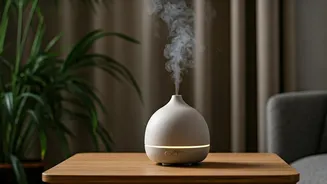
How you diffuse a scent is just as important as the scent itself. Electric diffusers are a popular choice, using water and essential oils to create a fine, fragrant mist. They offer great control over intensity and duration. Reed diffusers provide a constant, subtle background fragrance without any heat or electricity. High-quality soy or beeswax candles offer both scent and the ambient glow of a flame, perfect for creating a cosy evening mood. For a quick refresh, a natural room spray can instantly elevate the space. And never underestimate the power of nature: a simple vase of fresh tuberoses or a bowl of lemons can scent a room beautifully and organically.