


A Different Kind of Jungle Book
The long-held belief among many wildlife enthusiasts is that jungle safaris and monsoon rains don't mix. Traditionally, most core zones of India's famous national parks close down from July to September. This is partly for safety, as trails can become
impassable, but also to give the ecosystem a break during the crucial breeding season for many animals. However, this is only part of the story. A growing number of parks are keeping their buffer zones or specific tourism circuits open, revealing a side of the Indian wilderness that summer visitors rarely witness. The result is a surprisingly strong boost in wildlife tourism during what was once considered the leanest period, with August becoming a secret window for some of the most dramatic and rewarding sightings.
Why Rain Equals Remarkable Sightings
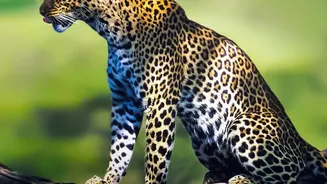
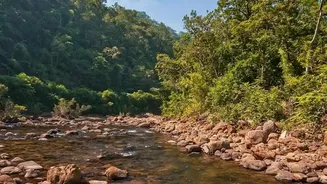
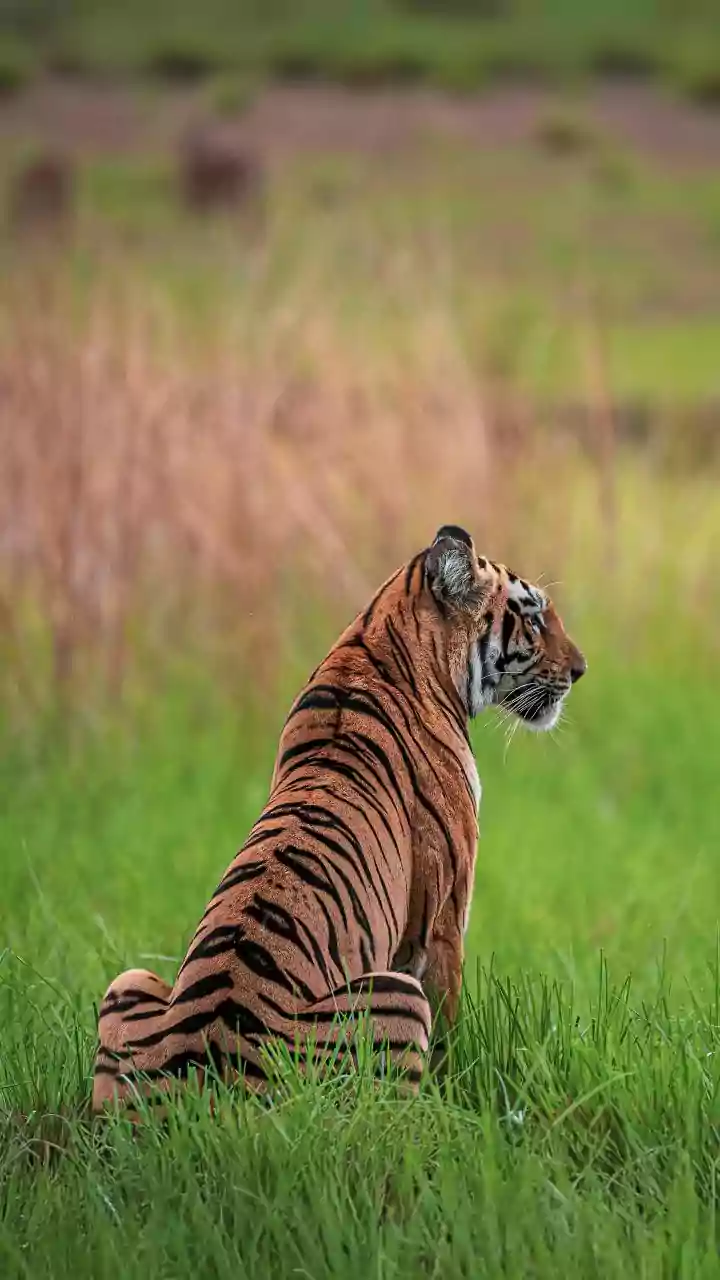
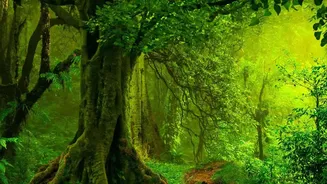
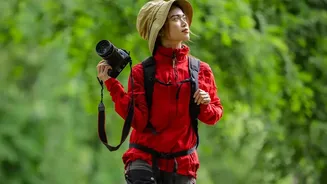
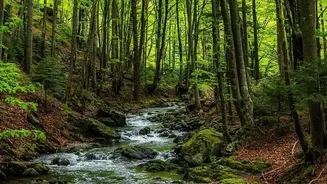
The magic of a monsoon safari lies in the transformation of the landscape. The parched grounds of summer give way to a vibrant, emerald carpet of lush grass and dense foliage. This rejuvenation has a profound effect on animal behaviour. With water sources plentiful, animals are more dispersed but also more active throughout the day due to cooler temperatures. For predators like tigers and leopards, the rain washes away territorial scent markings, compelling them to patrol their domains more frequently. Furthermore, many guides note that tigers often prefer walking along the firmer safari tracks rather than navigating the waterlogged undergrowth, sometimes leading to incredible, unexpected encounters. The clean, dust-free air and dramatic skies also create a paradise for photographers, offering vibrant colours and atmospheric shots unlike any other time of year.
Hotspots Thriving in the Wet Season
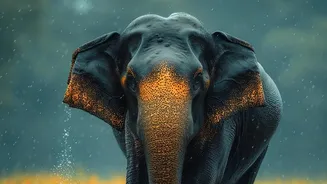
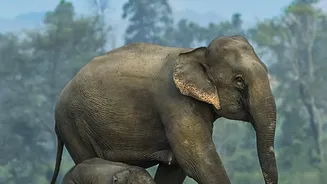
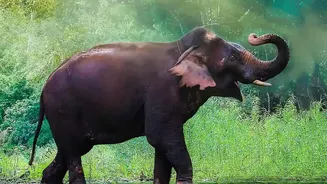
Several key reserves across India are at the forefront of this monsoon tourism boom. In Rajasthan, while the core areas of Ranthambore National Park are closed, its buffer zones (Zones 6-10) remain open and are reporting excellent activity. The landscape, usually arid, becomes a green paradise, and the cooler climate makes for comfortable safaris. Similarly, Tadoba-Andhari Tiger Reserve in Maharashtra has become a year-round destination by keeping its buffer gates operational. These areas offer a high chance of spotting tigers, leopards, and wild dogs against the backdrop of a verdant forest. Further south, the national parks of the Western Ghats, such as Nagarhole and Kabini in Karnataka and Periyar in Kerala, are spectacular during the monsoon. Here, boat safaris on brimming lakes and rivers provide exceptional opportunities to see large herds of elephants, gaur, and a stunning variety of birdlife along the water's edge.
Beyond Tigers: A Biodiversity Boom
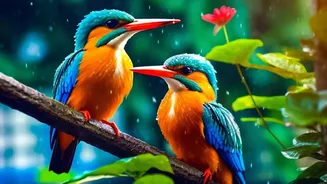
While tiger sightings are a major draw, the monsoon season puts a spotlight on the entire ecosystem. It is the best time for spotting reptiles and amphibians, many of which are endemic to their regions and only emerge during the rains. The Western Ghats, for instance, come alive with unique species like the Malabar Gliding Frog. The season is also a paradise for birdwatchers, as many resident species are actively breeding and migratory birds begin to arrive. Parks like Periyar Tiger Reserve and the buffer zones of Pench and Kanha in Madhya Pradesh offer rich avian diversity. This shift encourages a more holistic appreciation of the jungle, where the focus moves beyond just the big cats to the intricate web of life that thrives in the wet season.
The Savvy Traveller's Advantage
Opting for a wildlife trip in August comes with several practical benefits. With it being a traditional off-season, popular destinations are far less crowded, leading to a more peaceful and intimate safari experience. This often translates to better deals, with many resorts and eco-lodges offering significant discounts on accommodation and packages. You can enjoy a more personalised tour without the usual rush. It is a chance to see India's famed wilderness in a state of renewal and abundance, an experience that feels both exclusive and deeply connected to nature's cycles.