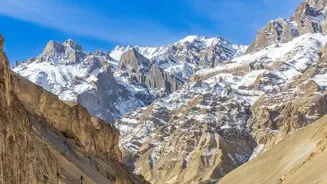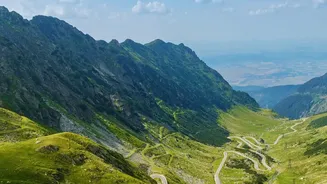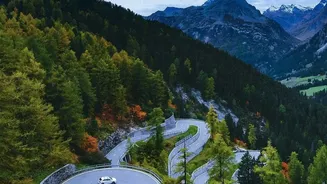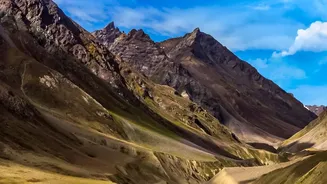





Choose Your Route Wisely
You have two main paths to Spiti: one via Shimla and the other via Manali. In autumn, especially from mid-October onwards, the Shimla-Kaza highway is the safer, more reliable choice. This route allows for gradual acclimatisation as you ascend slowly,
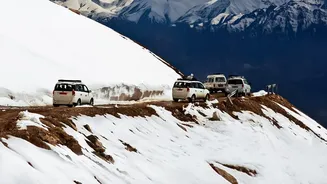
reducing the risk of Acute Mountain Sickness (AMS). The Manali-Kaza highway, which involves crossing the high-altitude Kunzum Pass (4,590m), becomes risky. Early snowfall can lead to its closure anytime from mid-October, potentially trapping travellers. Always check the official road status from the Border Roads Organisation (BRO) or district administration before you start.
Prepare Your Vehicle Thoroughly
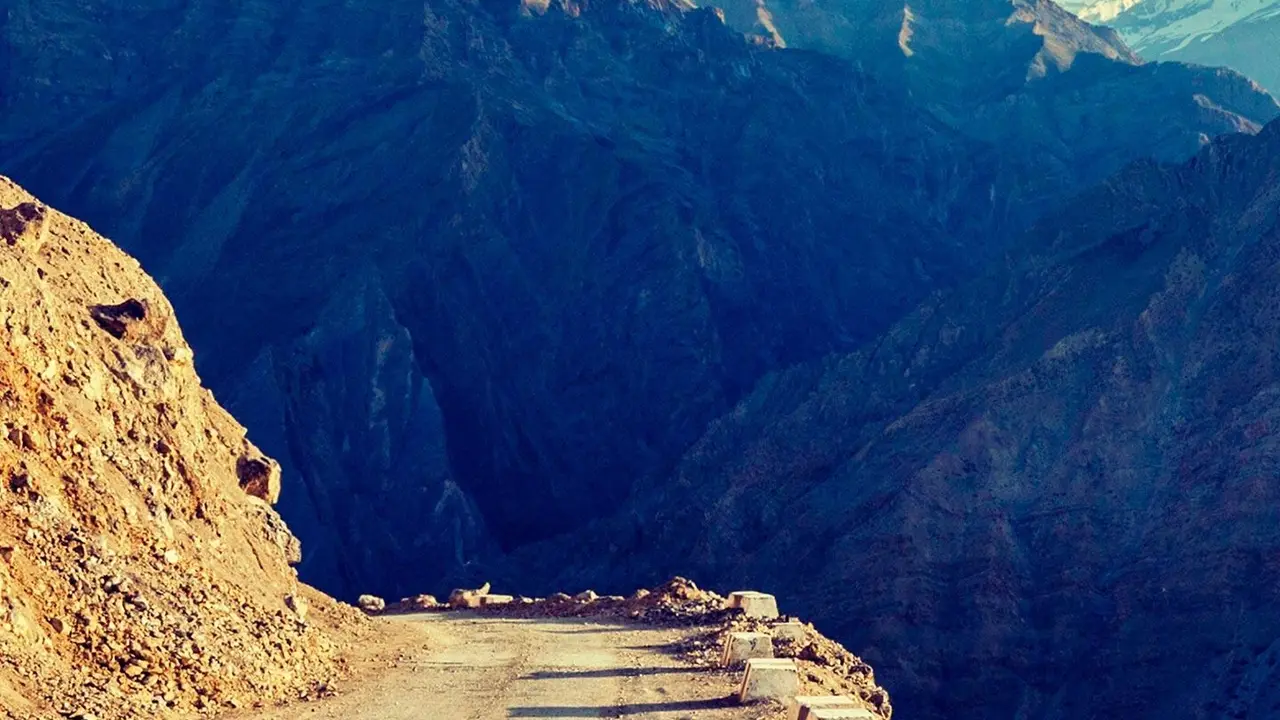
The terrain in Spiti is demanding, with long stretches of broken tarmac, gravel, and potential water crossings. Before your trip, get your vehicle fully serviced. Pay special attention to brakes, tyres, suspension, and engine fluids like coolant and engine oil. All-terrain (AT) tyres with good tread are highly recommended. Ensure your battery is in good health, as cold weather can affect its performance. Carry a complete toolkit, a reliable jack, and a puncture repair kit. For cars, a vehicle with high ground clearance is advantageous. For bikes, ensure your chain is properly lubricated and carry spares.
Acclimatise to Prevent Altitude Sickness
Acute Mountain Sickness (AMS) is a serious risk in Spiti, where you'll spend most of your time above 3,000 metres. Its symptoms include headache, nausea, dizziness, and fatigue. The best prevention is gradual ascent, which is why the Shimla route is preferred. Stay hydrated by drinking 3-4 litres of water daily. Avoid alcohol, especially in the first 48 hours, as it dehydrates you and slows acclimatisation. Eat light, carbohydrate-heavy meals. If you have a history of AMS, consult a doctor about preventive medication like acetazolamide before your trip. A portable oxygen can and a pulse oximeter can be valuable additions to your medical kit.
Pack for Extreme Temperature Swings
Autumn weather in Spiti can be deceptive. Days can be sunny and pleasant, with temperatures around 10-15°C, but they plummet to sub-zero levels as soon as the sun sets. The key is to pack layers. Carry thermal wear, fleece jackets, and a windproof and waterproof outer shell. Don't forget warm socks, gloves, a woollen cap, and a scarf or balaclava to protect against the biting wind. The sun at high altitudes is harsh, so sunglasses, sunscreen, and lip balm are non-negotiable. Sturdy, comfortable shoes with good grip are essential for walking on uneven terrain.
Navigating Roads and Risks
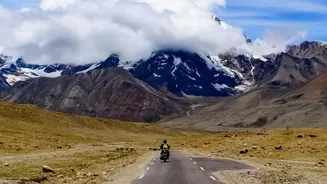
Drive only during daylight hours. The roads are narrow, with blind curves and steep drops, and conditions can change rapidly. A major hazard in autumn is black ice—a thin, transparent layer of ice that forms on the road, especially in shaded areas or after a cold night. It's nearly invisible and extremely slippery. Drive slowly and avoid sudden braking. Many smaller dhabas and guesthouses start closing by late October, so it's wise to book your accommodation in advance and carry extra snacks and water. Fuel stations are scarce, so refuel whenever you get the chance. Always carry enough cash, as ATMs are few and often out of service.
Permits and Paperwork
For Indian citizens, no Inner Line Permit (ILP) is required to visit the main areas of Spiti Valley. However, you must carry a valid government-issued photo ID like an Aadhaar card or Voter ID, as you will need to register at multiple police checkpoints along the route, such as at Jangi or Sumdo. It is a good practice to carry a few photocopies of your ID. If you are taking the Manali route, a separate permit for your vehicle is required to cross the Rohtang Pass, which can be obtained online.