








NCR’s New Gateway Is Here
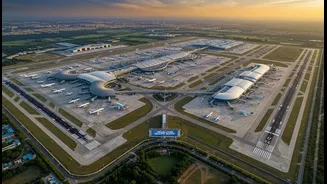
After much anticipation, Noida International Airport commenced commercial flight operations on June 15, 2026, positioning itself as the second international airport for the Delhi-NCR region. Developed to ease the pressure on Delhi's Indira Gandhi International Airport (IGI),
the new airport serves the rapidly growing population of western Uttar Pradesh and the broader NCR. In its first phase, the airport has a single terminal and runway designed to handle 12 million passengers annually. Airlines like IndiGo and Akasa Air have started operations, connecting Jewar to initial destinations including Bengaluru, Hyderabad, Amritsar, Jammu, and Navi Mumbai, with a significant expansion of routes planned.
The Challenge: Getting There
The single biggest reason to leave early is the journey to the airport itself. Located in Jewar, DXN is a considerable distance from the main population centers of Delhi, Noida, and Gurugram. From Delhi, the distance is around 100 km, which can take about two hours without traffic. Currently, the airport's connectivity is primarily road-based, relying on the Yamuna Expressway. While this offers a smooth drive, there is no direct metro connectivity yet, although plans for a Rapid Rail Transit System (RRTS) are underway. This leaves passengers dependent on private cars or cabs, which can be expensive, with fares from Noida often higher than a similar trip to IGI Airport. UPSRTC buses provide some connectivity, but services are still ramping up. For now, the safest bet is to assume road travel will take longer than expected.
Navigating 'Teething Issues'
Every new airport goes through a settling-in period, often called 'teething issues'. Even a month after its launch, Noida Airport has seen a relatively slow start as both passengers and staff adjust. Airlines are still finalising their schedules, with some routes being temporarily suspended or changed. Inside the terminal, passengers may find that processes are still being streamlined. While many early travellers have praised the quick exit process due to low traffic, this can change as flight volumes increase. Staff are new to the facility, systems are being tested under live conditions for the first time, and passenger flow is not yet predictable. These factors can lead to unexpected delays in check-in, security, or finding your way around.
Your Pre-Travel Action Plan
To ensure a smooth journey, preparation is key. First, reconfirm your flight status and terminal information directly with the airline before you leave for the airport, as schedules can change. Use a live navigation app to check the real-time traffic situation and estimated travel time to the airport. Since public transport is limited, pre-booking a cab is a reliable option, especially if you are travelling with luggage or at odd hours. Give yourself at least an extra 60 to 90 minutes beyond what you would normally budget for airport travel. This buffer will absorb any unexpected traffic delays, long queues at the terminal, or time spent finding your bearings in the new environment. It’s always better to be waiting at the gate with a coffee than to be stuck in traffic on the expressway watching the minutes tick away.