
The Ultimate Comfort Food
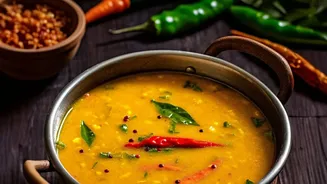
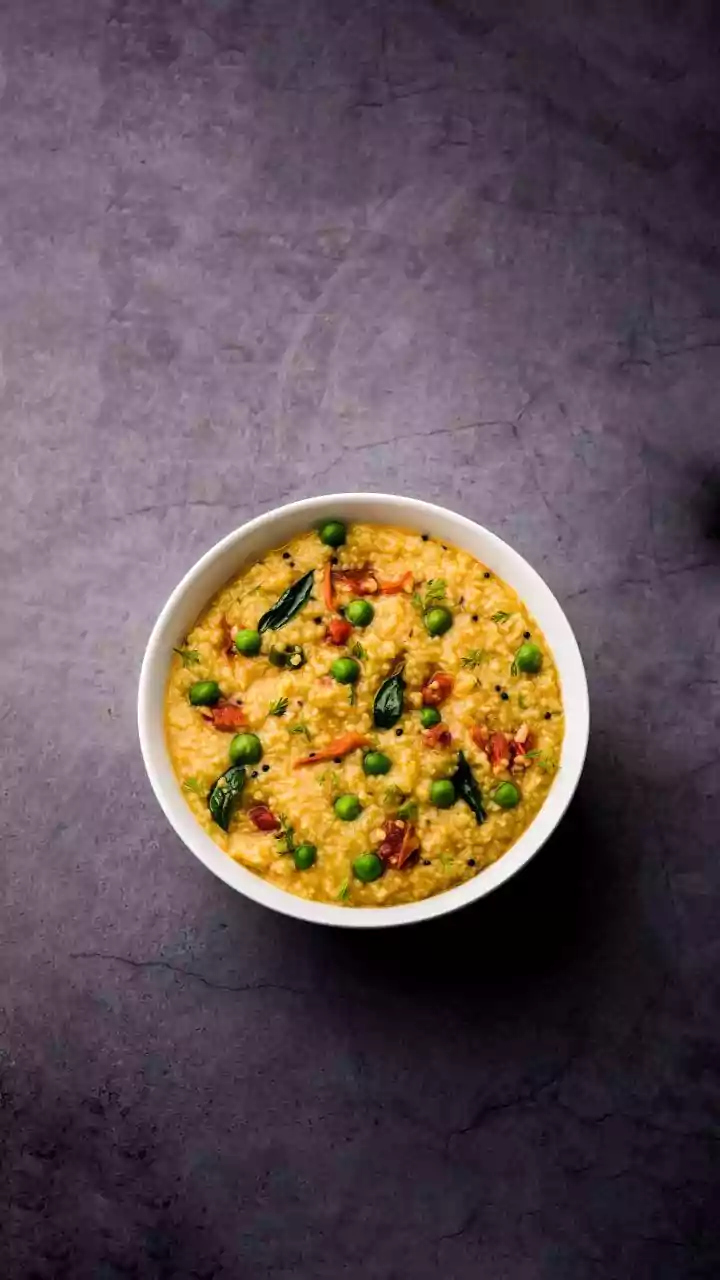
At the heart of India's one-pot tradition is Khichdi, a dish with roots stretching back thousands of years. Its name comes from the Sanskrit word 'khicca', meaning a dish of rice and legumes. Often unfairly labelled as food for the sick, Khichdi is one of India's most
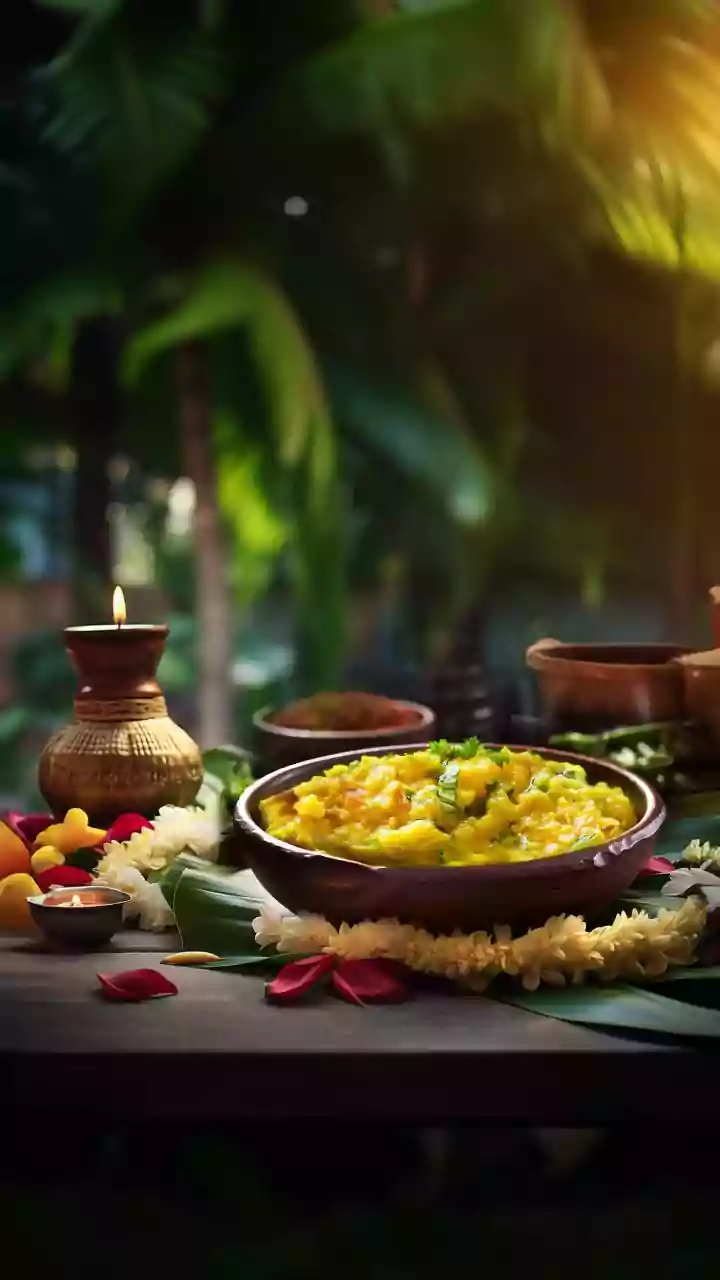
nutritionally complete and versatile meals. At its core, it's a simple combination of rice and lentils, but this humble base is a canvas for endless variation. From the rich, ghee-laden bhog offered at festivals to the simple, restorative bowl prepared on a quiet night, Khichdi adapts to every season and occasion. Early Ayurvedic texts celebrated its digestibility and ability to balance the body, a belief that continues today. It's often one of the first solid foods given to babies and a trusted meal for recovery, proving that comfort and health have always shared the same pot.
A Symphony in a Single Pot
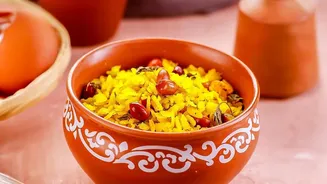
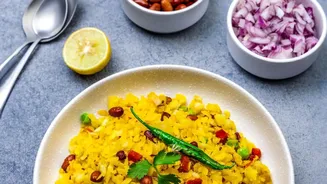
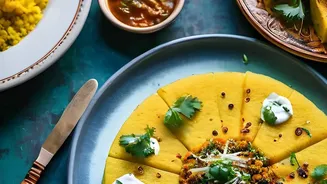
The magic of Indian one-pot meals lies in their ability to create complex, layered flavours without a sink full of dishes. This isn't just about throwing ingredients together; it's a calculated art. Consider Tehri, a fragrant yellow rice dish from the Awadh region. Unlike a layered Biryani or a simpler Pulao, Tehri stews rice, vegetables, and sometimes meat or lentil dumplings together, allowing every grain to absorb the spices. This method of cooking, where ingredients mingle from the start, creates a flavour profile that is unified yet deep. The use of whole and ground spices, often tempered in hot oil or ghee in a technique called a 'tadka', unlocks aromas and infuses the entire dish with a richness that belies its simple preparation. It’s a technique that demonstrates how one pot can deliver a full spectrum of taste.
Beyond Rice and Lentils
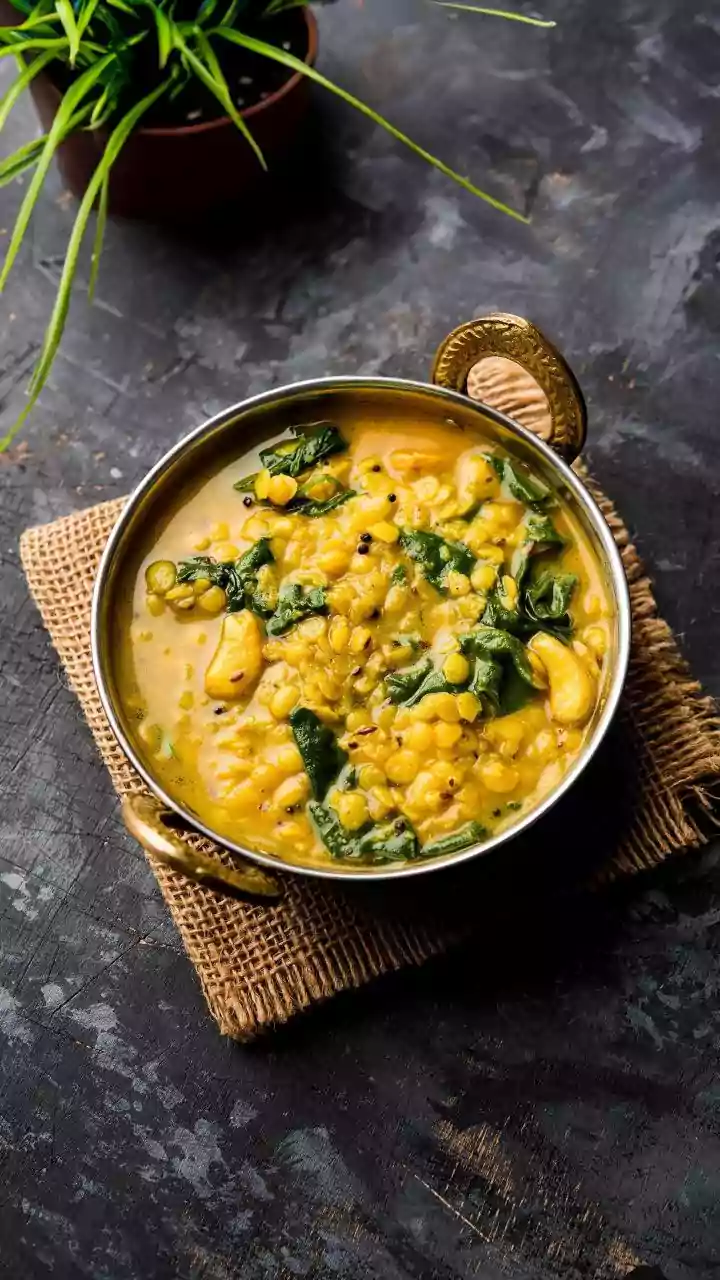
While Khichdi is the most famous example, the one-pot philosophy thrives across India with stunning diversity. In Karnataka, Bisi Bele Bath, which translates to "hot lentil rice dish," is a celebrated staple. It's a complex and tangy mix of rice, toor dal, vegetables, tamarind, and a special spice blend, often finished with ghee. Originating in the royal kitchens of Mysore, it’s a perfect illustration of a nutritionally complete meal that combines protein, carbohydrates, and vitamins in a single serving. These regional masterpieces show that one-pot cooking isn't a shortcut but a distinct culinary tradition, capable of producing dishes that are both convenient and worthy of a celebration.
The Science of Wholesome Eating
Indian one-pot dishes are inherently designed for wellness. The combination of rice (rich in methionine) and lentils (rich in lysine) creates a complete protein, making it an ideal foundation for vegetarian diets. This pairing has sustained populations for millennia. Cooking everything in one vessel also minimises nutrient loss that can occur when ingredients are boiled separately and the water is discarded. Spices like turmeric, ginger, and cumin, staples in these dishes, are known for their digestive and anti-inflammatory properties. Adding ghee not only enhances flavour but also helps the body absorb fat-soluble vitamins. This ancient wisdom aligns perfectly with modern nutritional science, which emphasizes whole foods and balanced macronutrients.
A Timeless Lesson for Modern Kitchens
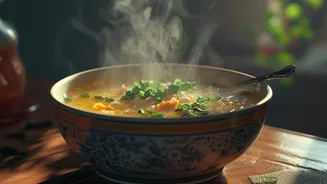
In an age of meal-kit subscriptions and complex recipes, the enduring appeal of the one-pot meal is a powerful reminder of what matters in the kitchen. The logic is timeless: it saves time, conserves energy and water, and reduces cleanup. But beyond the practical benefits, these dishes encourage a more mindful approach to cooking. They prove that a nourishing, flavourful meal doesn’t require a dozen steps or a mountain of kitchen tools. The tradition of Indian one-pot cooking is not about taking shortcuts; it's about a smarter, more soulful path to a good meal. It invites us to slow down, to appreciate the alchemy of simple ingredients, and to find comfort in a single, steaming pot.