



A Return to Traditional Grains
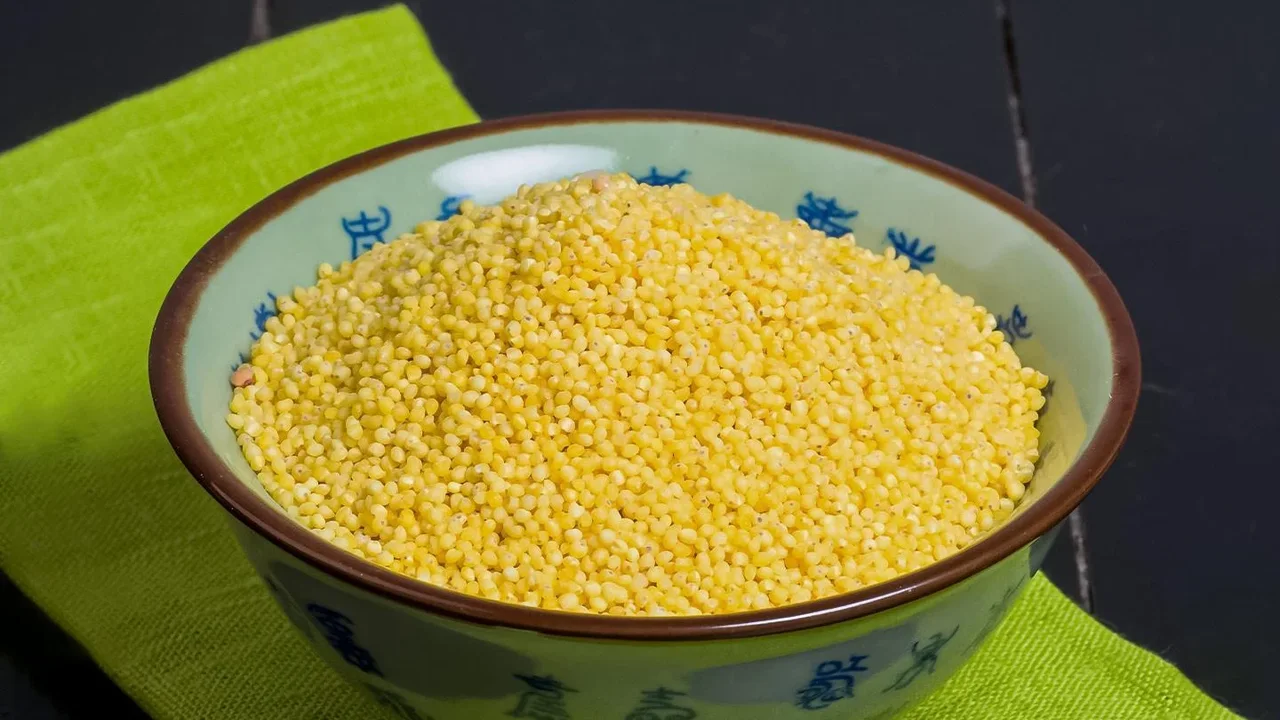
For generations, millets were a staple in Indian households, long before wheat and rice became dominant. Today, as health-consciousness rises, these ancient grains are making a powerful comeback. Flours like jowar, bajra, and ragi are being embraced not
just for nostalgia, but for their incredible nutritional profiles and their ability to simplify daily cooking. Unlike complex baking projects, integrating millets into your diet can be as simple as swapping your regular atta. These flours are naturally packed with nutrients and offer a gluten-free alternative that aligns with modern wellness goals, from managing blood sugar to improving digestion.
Your Guide to Regional Millet Flours
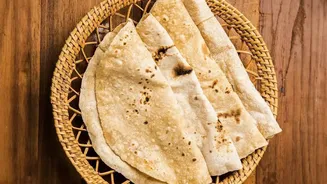
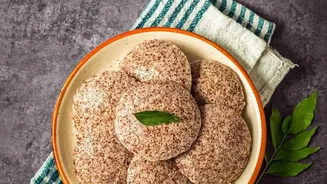
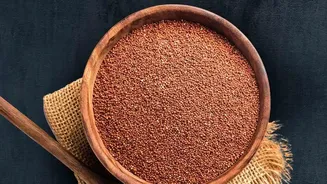
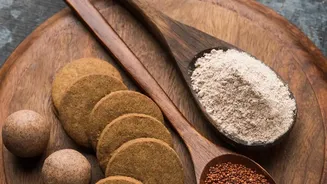
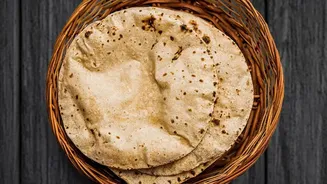
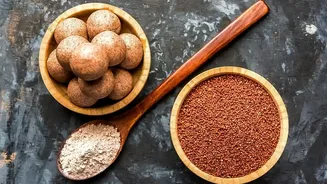
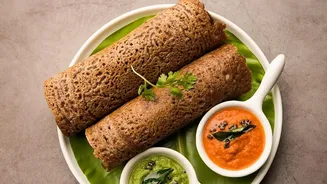
India’s diverse culinary landscape offers a variety of millet flours, each with a unique taste and texture. Jowar (Sorghum) is a great starting point, known for its mild, neutral flavour that makes it a versatile choice for everyday rotis. Bajra (Pearl Millet) has a bolder, earthy taste and is a winter favourite, especially in North and West India, providing a feeling of warmth and energy. Ragi (Finger Millet), popular in the South, is celebrated for its high calcium content and has a rich, malty flavour perfect for dosas, porridges, and rotis. These flours are not new inventions but are deeply rooted in regional culinary traditions, making them a familiar and accessible choice for kitchens across the country.
The High-Fiber Advantage
One of the most significant benefits of millet flours is their high fiber content. Fiber is essential for good digestive health, helping to keep your system regular and supporting the growth of beneficial gut bacteria. Foods rich in fiber also promote a feeling of fullness, which can aid in weight management. Furthermore, the type of fiber in millets helps to slow down digestion and control blood sugar levels, making them an excellent choice for individuals with diabetes. By simply switching to millet rotis, you can effortlessly increase your daily fiber intake and support your long-term health goals without drastic dietary changes.
Simplifying Roti and Bread Making
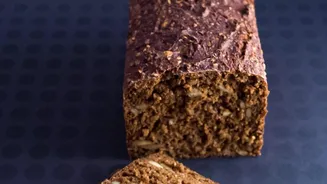
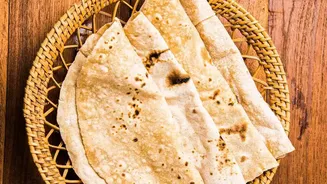
The idea of making millet rotis can seem intimidating, but the process is surprisingly straightforward. The key to soft, pliable rotis is using boiling hot water to knead the dough. This technique gelatinizes the starches in the gluten-free flour, creating the elasticity needed to roll without cracking. Unlike wheat dough, millet dough requires minimal kneading and no resting time for fermentation. For breads, millet flour can be blended with other flours to create soft, gluten-free loaves. While it absorbs more liquid, simple recipes are available that don't require complex techniques, making high-fiber home baking more accessible than ever.
Tips for Perfect Millet Dishes
To ensure success, start simple. If you are new to millets, begin with Jowar flour for its gentle flavour. Always use hot water for kneading roti dough and work with it while it's still warm for the best results. Since bajra dough can be sticky, keeping your hands slightly wet can help. Don’t try to roll millet rotis as thin as wheat chapatis; a slightly thicker roti is less likely to break. When baking bread, it's often best to combine millet flour with other gluten-free flours like rice flour or a binding agent to achieve a lighter texture. And remember, serve millet rotis hot with a dollop of ghee to keep them soft and enhance their flavour.