




The Great Visa Divide
For any long-term workation, the visa is the first and biggest hurdle. This is where the gap between Southeast Asia and the West becomes a chasm. Western nations like Spain and Portugal have popular digital nomad visas, but they come with significant
financial gatekeeping. Spain, for example, requires proof of a remote monthly income of at least €2,849 (around ₹2.5 lakhs). Portugal's threshold is even higher at about €3,680 per month. The application processes can also be lengthy, often taking two to four months and requiring extensive paperwork submitted through consulates before you can even travel.In contrast, Southeast Asian countries have rolled out schemes that are far more accessible. Malaysia’s DE Rantau Nomad Pass requires an annual income of just USD 24,000 (around ₹20 lakhs) for tech and digital professionals, with a straightforward online application. Thailand’s Destination Thailand Visa (DTV), valid for five years, requires no income proof at all—just a bank balance of 500,000 Thai Baht (around ₹11.5 lakhs). Indonesia also has a remote worker visa, though many nomads use the B211A social visa, which is easily obtainable through agents and allows for a stay of up to 180 days. These options not only have lower financial barriers but also often feature faster, fully digital application processes.
Your Rupee Goes Further
Beyond the visa, your day-to-day budget is a critical factor. The cost of living in major Western European nomad hubs is substantially higher than in Southeast Asia. A comfortable lifestyle in Lisbon or Barcelona can easily cost between $2,800 to $4,500 (₹2.3 to ₹3.7 lakhs) per month. In Lisbon, a one-bedroom apartment in the city center can command rent of $900–$1,400 (₹75,000 to ₹1.15 lakhs).Compare that to Southeast Asia, where a monthly budget of $1,200 to $2,200 (₹1 lakh to ₹1.8 lakhs) affords a very comfortable life in popular hubs. In Chiang Mai, Thailand, a similar apartment might cost just $250–$450 (₹21,000 to ₹37,000). Everything from food and transportation to coworking spaces is a fraction of the price. You can enjoy a delicious meal for a few hundred rupees, get around the city for less than a hundred, and secure a desk at a modern coworking space for around $100-$150 (₹8,000-₹12,500) a month, allowing your savings to last much longer.
Plug-and-Play Infrastructure
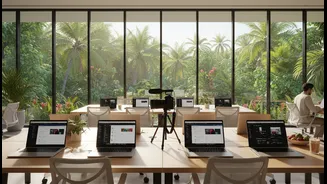
A common concern for remote workers considering Southeast Asia is the quality of digital infrastructure. However, hubs like Bali, Chiang Mai, Kuala Lumpur, and Ho Chi Minh City have evolved to cater specifically to this community. High-speed internet is widespread and affordable, with average speeds often exceeding the requirements for video conferencing and large file transfers.More importantly, these cities have a mature ecosystem built for nomads. You’ll find a high density of coworking spaces, laptop-friendly cafes with reliable Wi-Fi, and a vibrant community of fellow remote workers. This plug-and-play environment means you can be productive from day one without the logistical headaches of setting up a workspace from scratch. Western cities obviously have excellent infrastructure, but the community and services are often less centralized and tailored to the specific needs of the transient, international remote worker.
A Richer Work-Life Balance
A workation is as much about the 'cation' as it is about the work. Southeast Asia offers an unparalleled quality of life and cultural richness that is both accessible and affordable. The region’s diversity allows you to spend a weekend exploring ancient temples, diving in tropical waters, or trekking through lush jungles—all a short, budget-friendly flight away. The welcoming local cultures, world-renowned street food, and generally relaxed pace of life create an environment that actively encourages a healthier work-life balance.While Europe offers deep history and art, the cost and logistics of travel within the continent can be more prohibitive. For many, particularly those from India, the cultural and geographical proximity of Southeast Asia feels more manageable and familiar, making the transition to a workation lifestyle smoother and more enjoyable from the start.