




The Upgrade: Sprouted Pulses
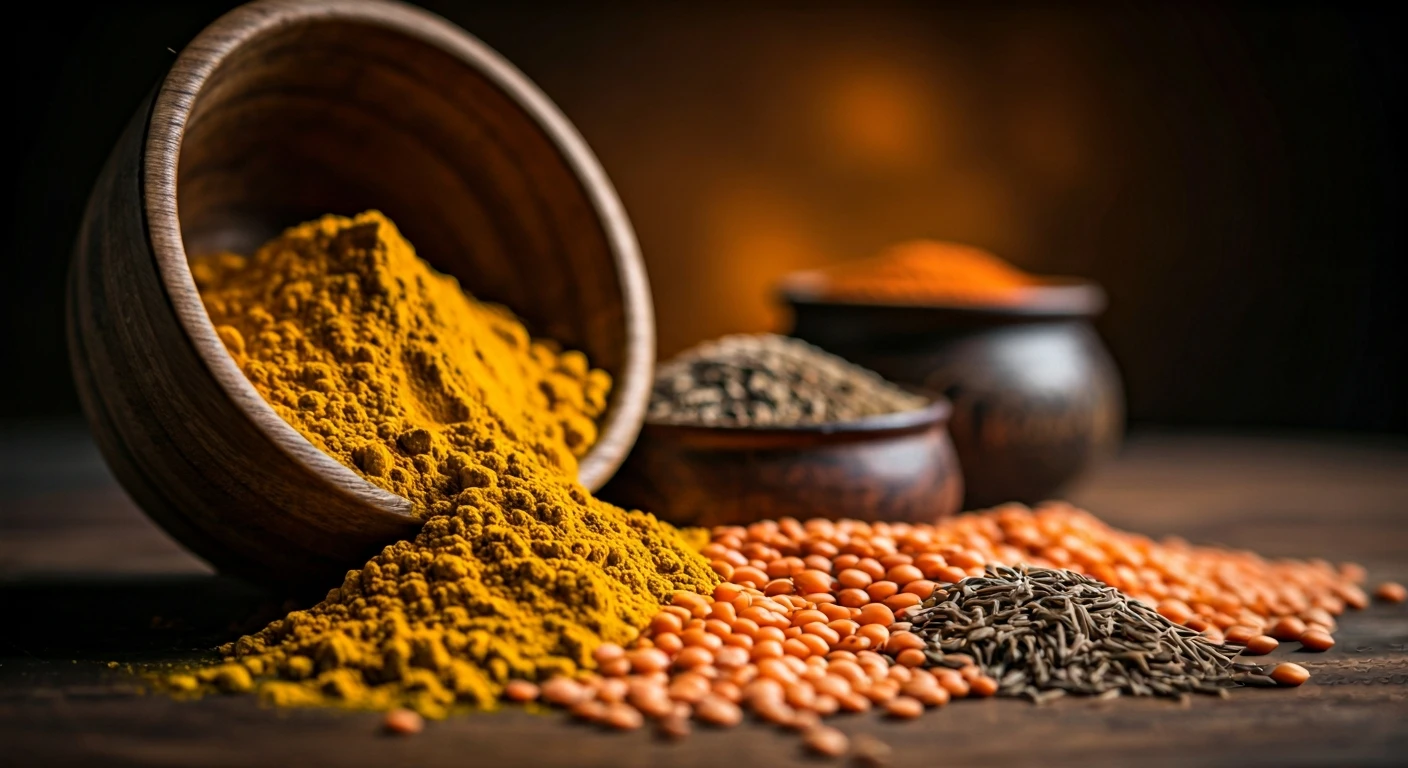
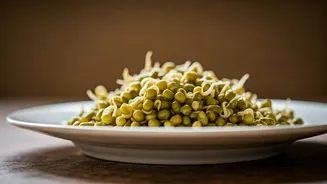
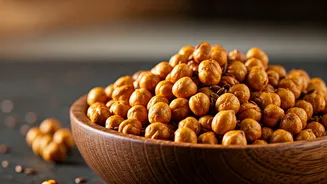
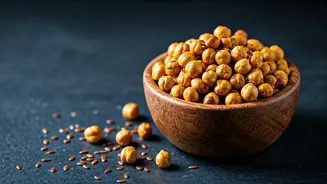
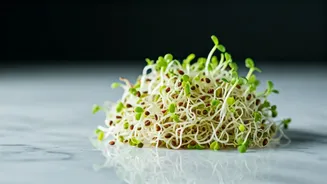
The secret isn’t a new, exotic seed from a faraway land. The upgrade that has nutritionists excited is simple: sprouted pulses. Think bigger, heartier sprouts made from chickpeas (chana), lentils (dal), kidney beans (rajma), and black-eyed peas (lobia).
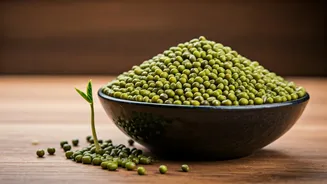
While we love the classic moong bean sprout, expanding your repertoire to include these larger legumes unlocks a new level of nutrition and culinary versatility. These aren't just a garnish; they are substantial enough to be the star of a meal. By taking the humble beans and lentils we already know and love and putting them through the sprouting process, we transform them into a more dynamic and nutritionally available food.
Why Experts Approve
Nutrition experts and dietitians favour this upgrade for several compelling reasons. The process of germination, or sprouting, fundamentally changes the nutritional profile of the legume. It's like waking up a dormant powerhouse of nutrients. As the seed begins to grow into a young plant, it breaks down stored starches into simpler sugars for energy, making it easier for our bodies to digest. More importantly, sprouting significantly increases the bioavailability of key vitamins and minerals, including Vitamin C, B vitamins, and antioxidants. This means your body can absorb and utilise these nutrients more effectively compared to when you eat the un-sprouted, cooked version.
More Protein, Less Discomfort
One of the biggest wins with sprouted pulses is the improvement in protein quality and digestibility. Sprouting initiates enzymatic processes that break down complex proteins into simpler amino acids, making them more readily available for our muscles and tissues. But perhaps the most celebrated benefit is the reduction of 'anti-nutrients'. Pulses contain compounds like phytic acid and lectins, which can bind to minerals (like iron, zinc, and calcium) and prevent their absorption. For some people, they can also cause bloating and digestive discomfort. The sprouting process neutralises a significant portion of these compounds. The result? You get more of the good stuff with a lower risk of the digestive issues sometimes associated with beans and lentils.
How to Sprout Pulses at Home
Making your own sprouted pulses is incredibly easy and cost-effective. Here’s a simple, reliable method: 1. **Rinse and Soak:** Start with high-quality, whole, uncooked pulses (not split ones). Rinse about half a cup of your chosen legume (chickpeas, lentils, etc.) thoroughly. Place them in a large bowl or jar and cover with at least three times their volume of cool water. Let them soak for 8-12 hours, or overnight. 2. **Drain:** Pour the pulses into a colander or a sprouting jar with a mesh lid and drain all the water. Rinse them well with fresh, cool water. 3. **Sprout:** Place the colander in a bowl (to catch drips) or leave the jar tilted at an angle to allow for drainage and air circulation. Cover with a light kitchen towel to keep out light and dust. Keep it at room temperature, away from direct sunlight. 4. **Rinse and Repeat:** This is the most important step for safety and success. You must rinse and drain your sprouting pulses thoroughly 2-3 times a day. This prevents the growth of harmful bacteria and keeps the sprouts hydrated. 5. **Harvest:** Within 2-4 days, you’ll see little white tails emerging from your pulses. Once they are the desired length (usually about a quarter to a half-inch), give them a final rinse, drain them as dry as possible, and they’re ready. Store them in a covered container in the refrigerator for up to 3-4 days.
Easy Ways to Use Them
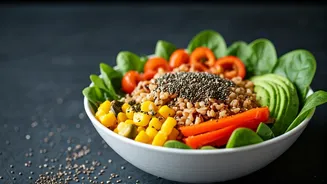
Forget limiting sprouts to salads. Sprouted pulses are incredibly versatile. You can eat smaller ones like lentil sprouts raw, but larger ones like chickpea and kidney bean sprouts are best when lightly steamed or stir-fried for a minute or two to soften them and further improve digestibility. Toss a generous handful into your sabzi or curry in the last few minutes of cooking. Blend sprouted chickpeas into a fresh, nutrient-dense hummus. Lightly sauté them with onions, tomatoes, and spices for a quick and filling chaat. Or, add them to soups, wraps, and rice dishes to boost the protein and fibre content. They add a wonderful, crunchy texture and a fresh, nutty flavour to any dish they grace.