
The Constant Search for Resources
The primary driver for wildlife entering urban spaces is the relentless search for food, water, and shelter. Natural habitats are often the first to feel the effects of seasonal change. When temperatures soar and water sources in forests dry up, or when
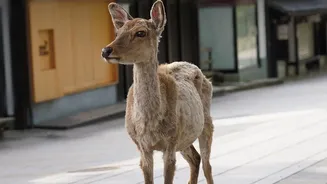
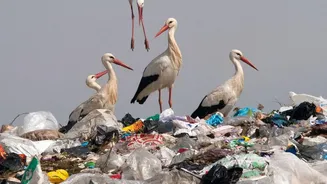
winter cold makes food scarce, animals are forced to look elsewhere. Our cities, with their leaking taps, overflowing bins, and irrigated gardens, become accidental oases. Species like monkeys, nilgai, and even leopards are increasingly venturing into urban fringes because these areas offer a reliable, if risky, source of sustenance when their natural pantries are bare. This is less a deliberate invasion and more a pragmatic move for survival.
Monsoon: A Time of Movement and Renewal
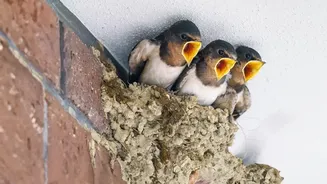
The monsoon season, typically running from June to September, dramatically reshapes the landscape and animal behaviour. While the rains replenish nature, they can also cause flooding that displaces ground-dwelling animals, pushing them towards higher, drier ground which can include urban areas. For many species, like frogs and insects, this is a period of intense activity and breeding. The renewed vegetation also attracts herbivores. However, the lush growth post-monsoon can make some animals harder to spot, even as it reinvigorates the ecosystems they depend on. The downpours can also destroy nests, forcing birds and small mammals to seek refuge in man-made structures.
Winter's Urban Guests
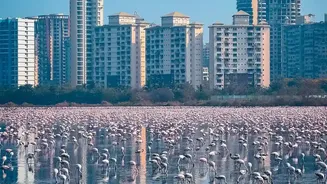
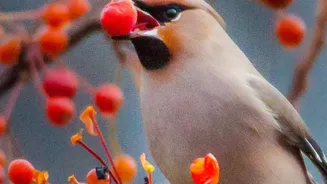
Winter brings a different set of visitors. India becomes a crucial destination for a vast number of migratory birds escaping the harsh cold of Central Asia, Europe, and Siberia. Urban lakes and wetlands in cities across the country can become temporary homes for species of ducks, cranes, and pelicans. But it's not just about birds. Cities create what is known as an 'urban heat island' effect, where concrete and asphalt retain heat, making urban centres warmer than surrounding rural areas. This relative warmth can attract mammals and reptiles seeking shelter from the cold. Rodents like rats and mice become more active as they seek shelter in buildings, and larger animals may bask in the morning sun on roads or structures to regulate their body temperature, increasing their visibility.
Spring and Summer: Breeding and Dispersal
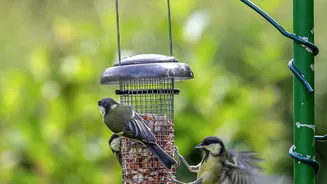
As temperatures rise in spring and early summer, many species enter their breeding season. This is a time of heightened activity, as animals search for safe, sheltered places like attics, ledges, and dense park shrubbery to build nests and raise their young. Increased boldness can be a side effect, as protective parents forage more aggressively. As summer progresses, the young animals born in spring begin to disperse, exploring new territories and searching for their own food sources. This wave of inexperienced, curious young animals often leads to more frequent sightings and, occasionally, mishaps in the urban environment. The intense heat and shrinking water sources of peak summer also concentrate wildlife around any available water, making them more predictable and visible.
Our Cities as Accidental Corridors
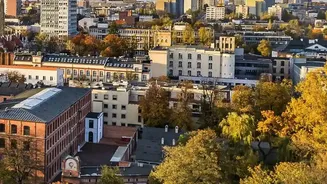
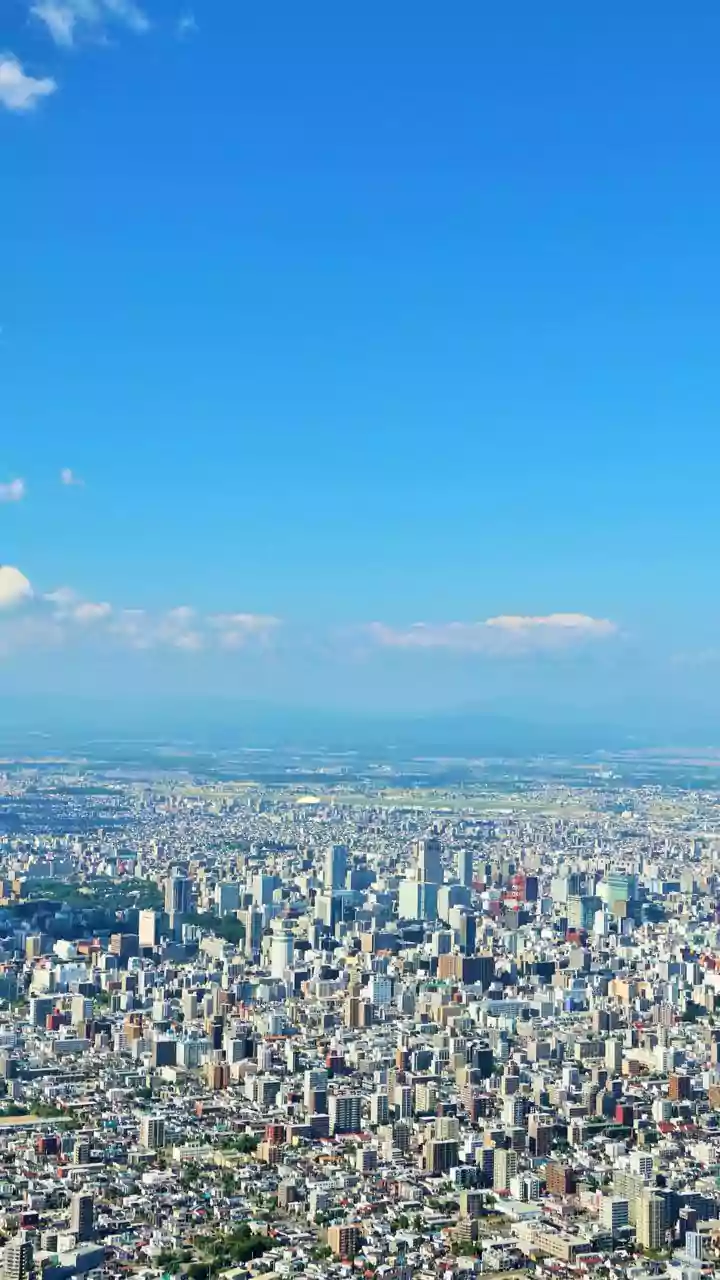
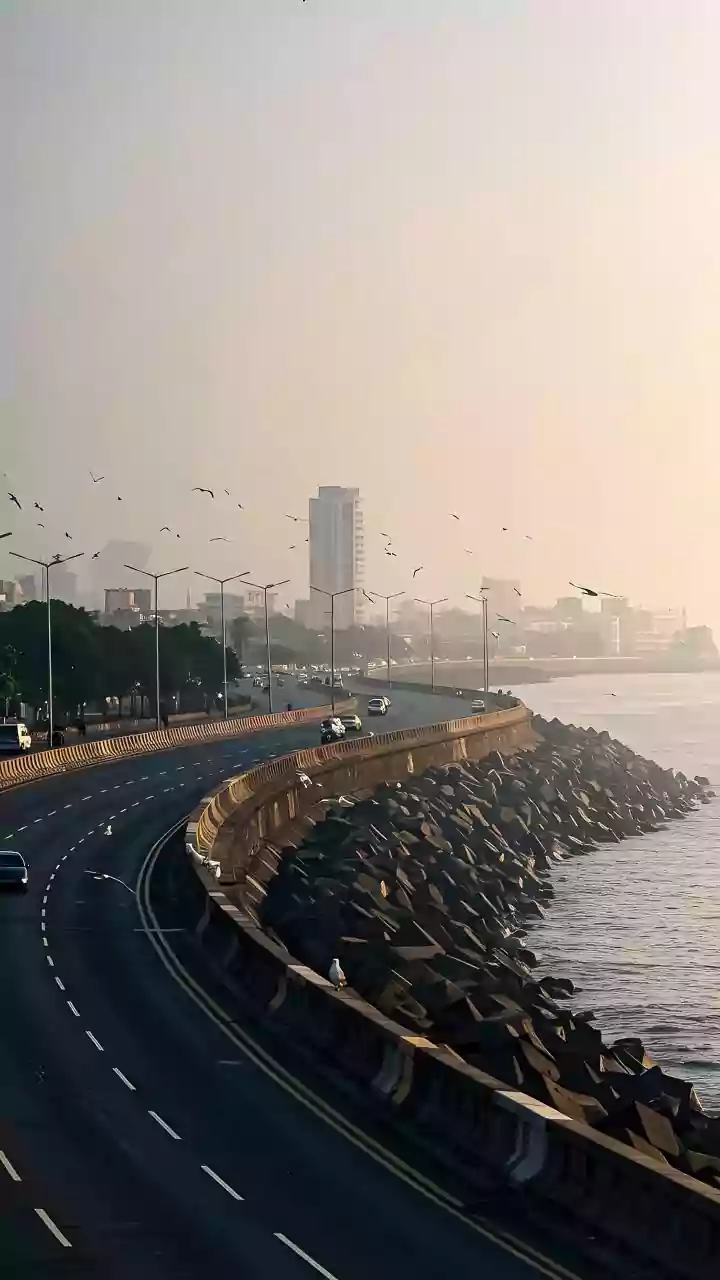
Ultimately, the increased visibility of wildlife is a direct consequence of urban expansion. As cities grow, they fragment natural habitats, cutting off ancient migratory routes and isolating populations. What were once contiguous forests are now mosaics of concrete and green patches. For many animals, our cities are not a destination but a landscape they must navigate. Green spaces, railway lines, and even drainage systems become corridors for movement. The seasonal shifts we observe are often the rhythms of nature playing out on an urban stage, a reminder that our human spaces are still very much a part of the wild world.