


More Than Just Flour and Water
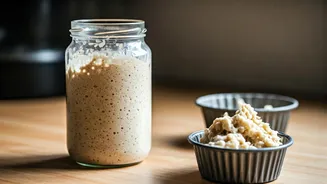
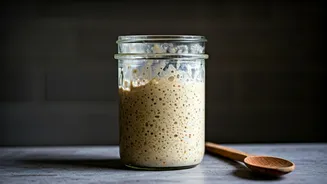
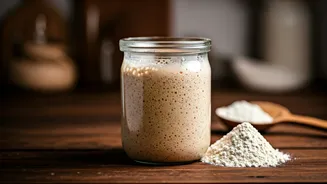
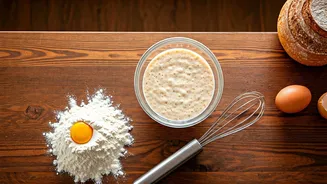
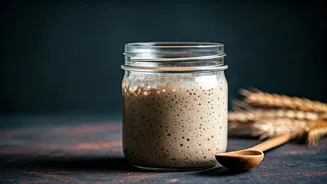
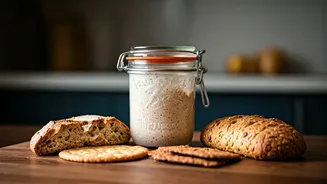
At its heart, a sourdough starter is a living thing—a bustling community of wild yeast and beneficial bacteria, primarily lactic acid bacteria, cultivated in a simple mixture of flour and water. Unlike commercial yeast, which is a single, isolated strain,
a starter is a diverse ecosystem. To keep it healthy and active, it needs to be fed regularly. This process of feeding is what kickstarts its connection to the zero-waste movement, but it begins with what seems like a wasteful act: the 'discard'.
The 'Discard' Dilemma Turned Opportunity
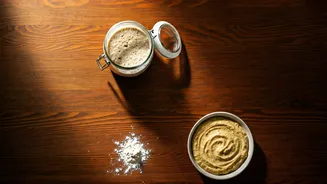
To maintain a starter, bakers typically remove a portion before each feeding. This 'discard' prevents the starter from growing to an unmanageable size and ensures the microbes have enough fresh flour to thrive. For years, many bakers simply threw this portion away, creating food waste. However, the zero-waste philosophy, which encourages us to refuse, reduce, and reuse, has prompted a major shift in thinking. The question became: what if the discard isn't waste at all? This change in perspective is where the magic happens. Resourceful bakers began to see the discard not as a problem, but as a flavourful, pre-fermented ingredient in its own right.
From Waste to Culinary Wonder
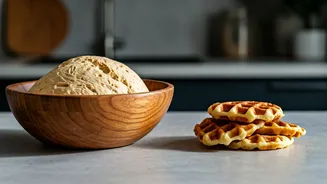
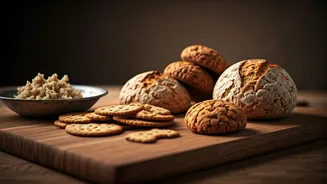
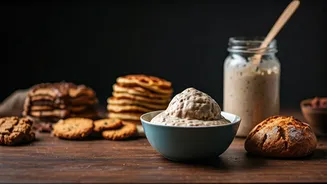
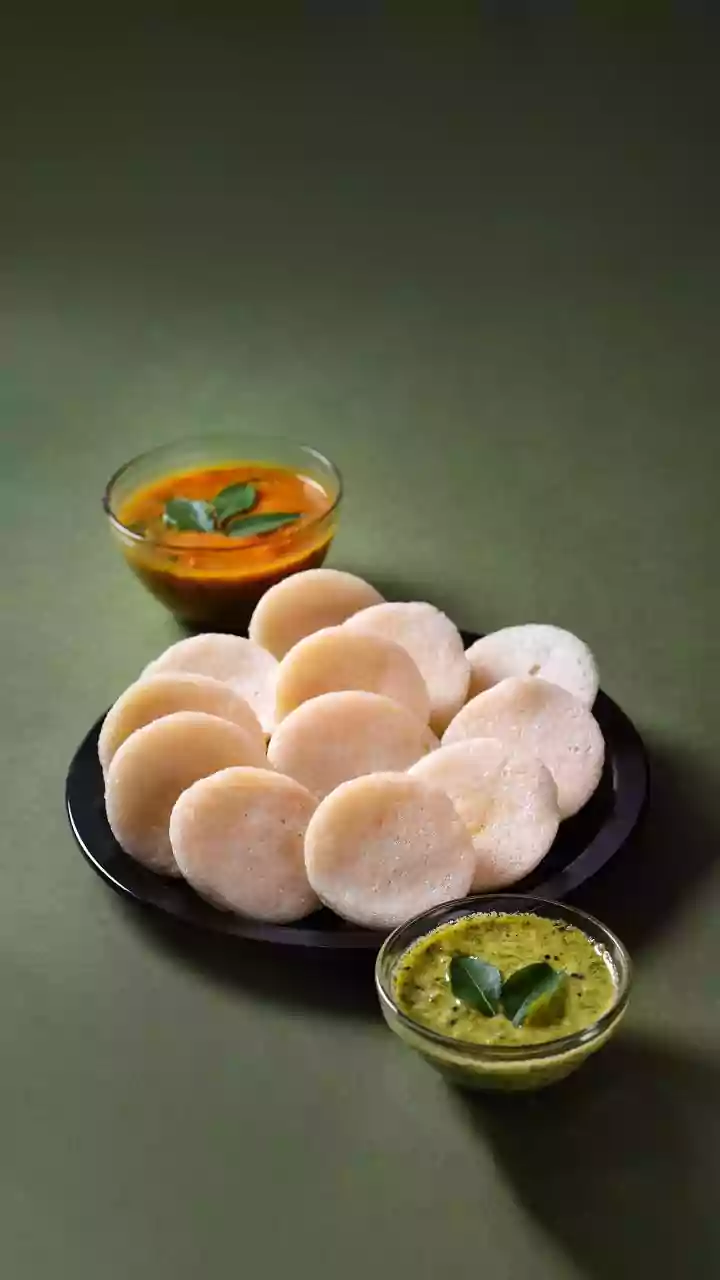
The creativity sparked by sourdough discard is astounding. This tangy, acidic paste, which is essentially just flour and water, can be incorporated into an endless array of recipes, reducing kitchen waste and adding a unique depth of flavour. The internet is now flooded with ingenious uses for it. Think fluffy pancakes and waffles, savoury crackers, pizza bases, and tortillas. Some bakers use it to make fresh pasta, while others incorporate it into batters for vegetable fritters or use it as a thickener for sauces and gravies. In India, creative cooks are using discard to make everything from sweet potato parathas to jalebis, proving its versatility across cuisines.
Beyond the Discard Jar
The zero-waste benefits of sourdough don't stop with the discard. Baking at home naturally reduces the demand for commercially produced bread, which often comes in single-use plastic bags. This simple act lessens our reliance on packaging and the emissions associated with transporting bread from industrial bakeries to stores. Furthermore, sourdough bread has a longer shelf life than its commercial counterparts. The lactic acid produced during fermentation acts as a natural preservative, keeping the bread fresh for longer. This means you are less likely to find yourself throwing away a stale, half-eaten loaf, further cutting down on household food waste.
A Return to Mindful Cooking
Perhaps the most profound impact of keeping a sourdough starter is the mindset it fosters. Caring for a living culture requires attention, patience, and a sense of stewardship. This daily or weekly ritual connects us more deeply to our food, encouraging a more mindful and less wasteful approach to consumption. It echoes the resourcefulness long practiced in traditional Indian kitchens, where using every part of an ingredient is a matter of course. In a world of instant gratification and disposable goods, the slow, deliberate process of sourdough baking is a powerful reminder that good things take time and that what we might once have considered 'waste' is often just a lack of imagination.