


The Danger Zone Explained
The core reason for pre-cooling lies in something food safety experts call the "temperature danger zone." This is the range between 41°F (5°C) and 135°F (57°C), where bacteria like Salmonella and E. coli can multiply at an alarming rate. In fact, under
these conditions, the number of bacteria can double in as little as 20 minutes. A large, hot pot of food acts as a perfect incubator. Its contents cool very slowly from the inside out, meaning the center can remain in this danger zone for hours, creating a significant risk for foodborne illness. The goal is to move food through this zone as quickly as possible.
Why Your Refrigerator Isn't a Chiller
Placing a large, steaming pot directly into your refrigerator might seem like a quick fix, but it's counterproductive and risky. A home refrigerator is designed to keep cold food cold, not to rapidly cool large quantities of hot food. Introducing a significant heat source forces the appliance to work overtime, raising the overall internal temperature. This not only wastes energy but, more importantly, can warm up other foods in the fridge, putting everything at risk of spoilage and bacterial growth. The condensation from the hot pot can also create excess moisture and frost, making your fridge less efficient.
The Professional Two-Stage Cooling Method
Restaurants and food service professionals follow a strict, two-stage cooling method recommended by health authorities to ensure safety. This method can easily be adapted for home use. The rule is to cool food from 135°F (57°C) down to 70°F (21°C) within two hours. This first stage is the most critical because it covers the temperature range where bacteria grow fastest. In the second stage, the food should be cooled from 70°F (21°C) down to 41°F (5°C) or lower within the next four hours. The entire process should not take more than six hours total.
Practical Ways to Cool Food Fast
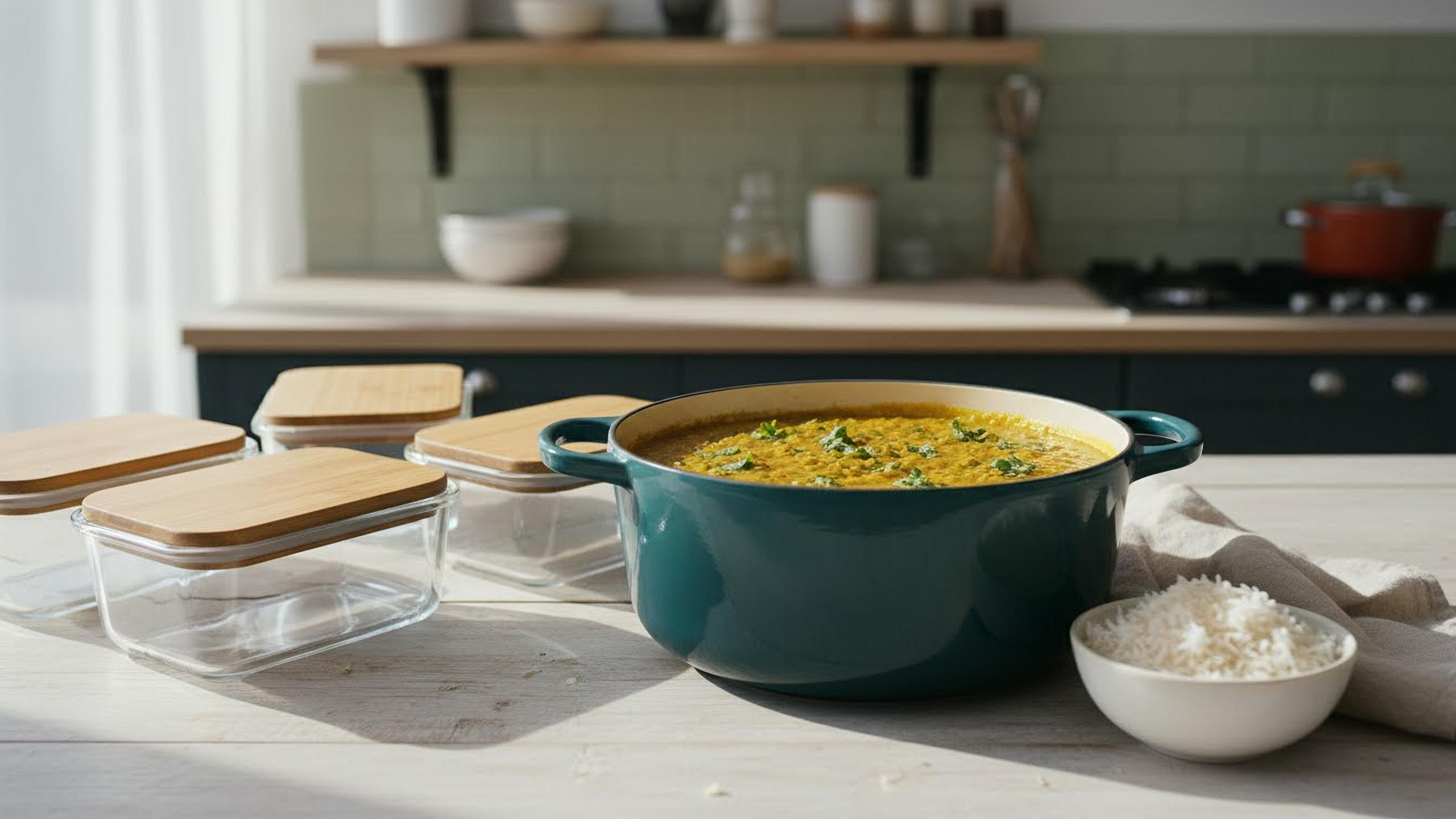
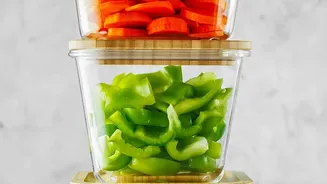
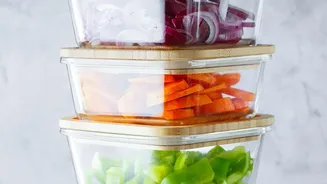
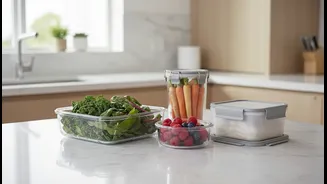
You don't need professional equipment to cool food safely. The key is to increase the surface area and use external cooling sources. One of the most effective methods is to divide the contents of a large pot into several smaller, shallow containers. Spreading dense foods like curries, chili, or mashed potatoes into pans no more than a few inches deep allows heat to escape much more rapidly. Metal containers are preferable as they transfer heat faster than plastic. For an even quicker cool-down, create an ice-water bath in your sink or a larger basin. Place the smaller containers of food into the bath, ensuring the ice water comes up the sides of the containers. Stirring the food periodically will help distribute the cold and speed up the process even more. For soups and stocks, you can even add ice directly as an ingredient if it won't compromise the final dish.
Common Mistakes to Avoid
The most dangerous mistake is leaving a pot of food to cool on the countertop for several hours. Cooked food should not be left out for more than two hours at room temperature, or just one hour if the temperature is high. Another error is covering a container tightly while it's still hot and trying to cool it. A loose cover allows steam and heat to escape, which is essential for rapid cooling. Once the food has reached a safe temperature, it can then be covered tightly for storage. Finally, never try to cool large portions outdoors, as this exposes the food to fluctuating temperatures and potential contamination from animals or the environment.