





A City's Collective Wait
For Delhiites, the end of June has transformed into a collective ritual of anticipation. The normal date for the monsoon's arrival, June 27, came and went, leaving the city under a blanket of scorching heat and suffocating humidity. On Sunday, June 28,
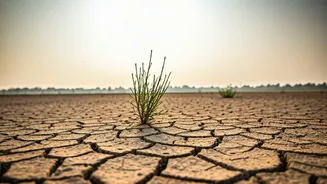
Delhi recorded its warmest morning in two years, with the minimum temperature climbing to 31.1 degrees Celsius, over three degrees above normal. The 'feels-like' temperature soared past 50 degrees Celsius, turning daily life into an endurance test. This waiting game is played out on weather apps and in conversations, as a parched city looks to the skies and the India Meteorological Department (IMD) for any news of the approaching rain-bearing clouds.
The Science Behind the Delay
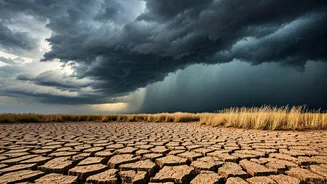
The monsoon is not just late; it is being held back by a complex interplay of atmospheric forces. The IMD's normal onset date is a long-term average, but this year, the seasonal rains have stalled. Mahesh Palawat, a meteorologist with Skymet, explained that the delay is caused by the interaction of dry westerly winds from Pakistan with moisture-laden southwesterly winds from the Arabian Sea. This combination creates high humidity and some clouds but lacks the oomph needed for widespread, sustained rainfall. Furthermore, larger climatic factors are at play. A developing El Niño in the Pacific Ocean is known to weaken the monsoon flow, and other global weather patterns like the Madden-Julian Oscillation have also been unhelpful this June.
What the Forecasts Say
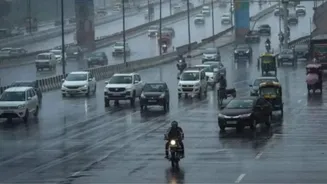
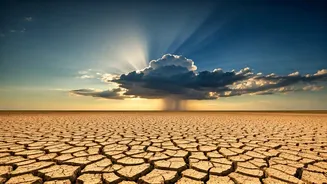
The good news is that the wait may soon be over. The IMD announced on Sunday that conditions are becoming favourable for the monsoon to advance across northern states within the next five to six days. Forecasters are now eyeing the first week of July for the monsoon's arrival in the capital. Private forecaster Skymet has pinpointed a potential arrival around July 4, provided conditions remain favourable. The IMD expects the monsoon to cover more parts of Uttar Pradesh and Uttarakhand in the next few days before extending into Delhi, Haryana, and Punjab. While thunderstorms are forecast for Monday, the full, refreshing onset of the monsoon is still a few days away.
More Than Just Rain
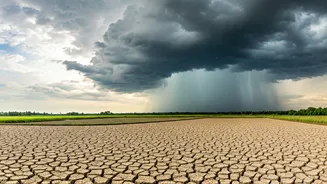
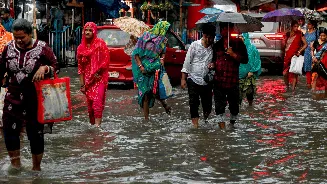
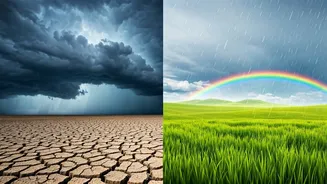
The monsoon's arrival in Delhi is never just a weather event; it's a profound seasonal, cultural, and economic shift. The delay has put immense pressure on the city's resources. The sweltering heat strains the power grid as air conditioners run non-stop. Water reservoirs, awaiting replenishment, are a constant concern. For the farmers in the surrounding regions, the timing of the monsoon is critical for their kharif crops. The rains will also bring desperately needed relief from the hazardous air pollution that has plagued the capital, washing away pollutants and cooling the urban heat island. But beyond the practicalities, the monsoon's arrival is an emotional release—a signal to embrace a different rhythm of life, marked by cooler days, greener landscapes, and the scent of rain on dry earth.