




From Theory to Tangible Thrills
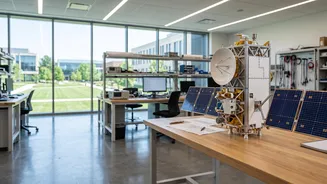
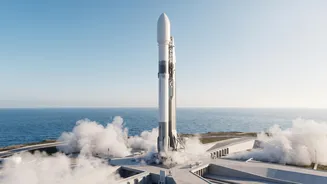
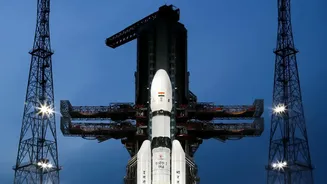
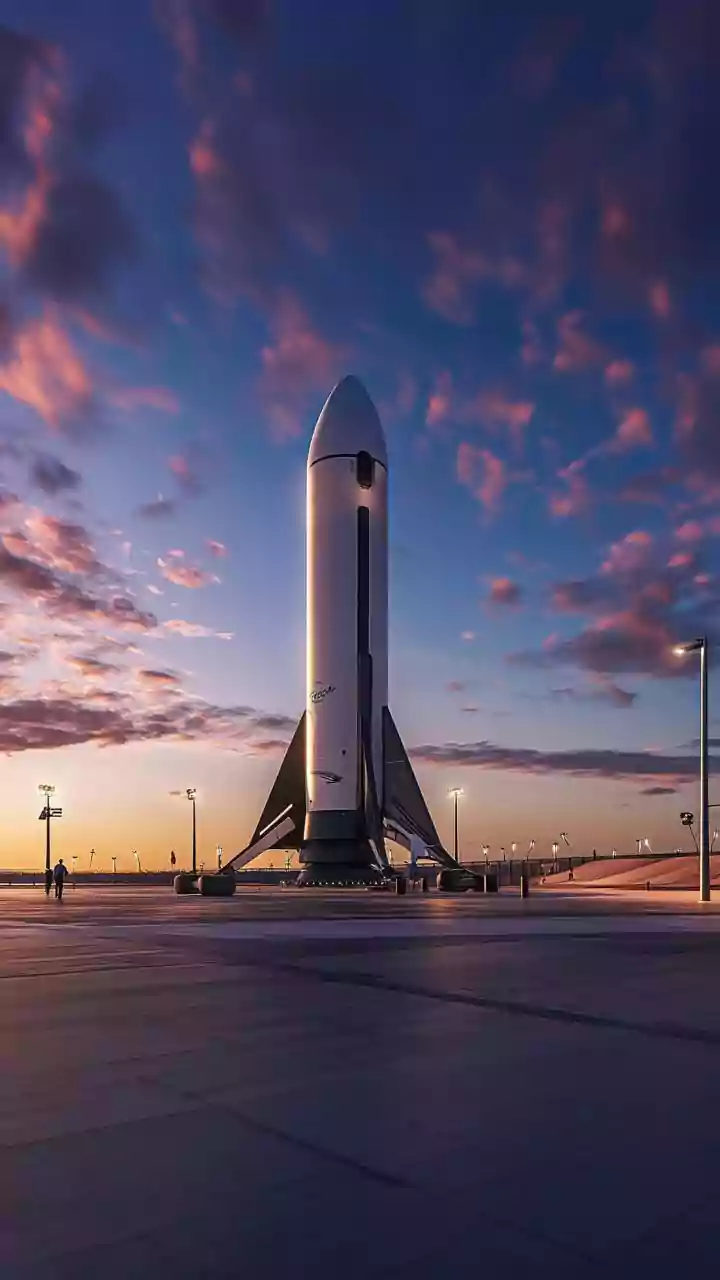
For a student, there is a world of difference between reading about a cryogenic engine in a textbook and standing near the towering assembly of a real launch vehicle. Educational trips transform abstract scientific principles into tangible, awe-inspiring
realities. This form of experiential learning is powerful; seeing the scale, complexity, and human effort behind India's space missions can ignite a spark of curiosity that classroom learning alone often cannot. These visits are not just about observing hardware; they are about connecting with a national ambition. When students walk through facilities at ISRO or a private aerospace campus, they see a potential future for themselves in the faces of the scientists and engineers they meet.
ISRO's Structured Outreach
The Indian Space Research Organisation (ISRO) has long recognised the importance of catching talent young. Its flagship student outreach initiative, the "Young Scientist Programme" or YUVIKA, is a prime example. This two-week residential program immerses selected Class 9 students in space science and technology through lectures, hands-on activities like model rocketry, and interactions with senior scientists. For its 2026 edition, ISRO selected 456 students from over 100,000 applicants, hosting them across nine different centres. Beyond intensive programs like YUVIKA, ISRO also engages students through its "Space on Wheels" mobile exhibition, workshops, and open-house events at its facilities, aiming to create widespread awareness and encourage careers in STEM fields. These efforts are designed to build a foundational interest long before students enter university.
Fueling the Private Space Boom
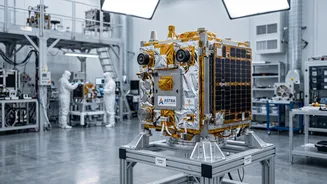
The landscape of India's space sector is no longer defined by ISRO alone. A dynamic private industry, with over 400 active startups by some estimates, is rapidly emerging. These companies, working on everything from launch vehicles to satellite constellations, have a voracious need for skilled talent. However, they face a crunch in specialised fields like propulsion, avionics, and systems engineering. Student visits and engagement programs are crucial for this emerging ecosystem. By showcasing the innovative work happening at companies like Skyroot Aerospace or Agnikul Cosmos, the industry can create a direct pipeline for future employees. Prime Minister Narendra Modi has emphasised the need for this private ecosystem to become a magnet for global talent, an ambition that begins with inspiring domestic students to see viable, exciting careers beyond government roles.
A Universe of Career Paths
A common misconception is that a space career is reserved only for rocket scientists and astrophysicists. In reality, the modern space industry is a multidisciplinary field. It requires lawyers specialising in space policy, managers overseeing complex projects, designers creating user interfaces for satellite data, and communicators who can share the excitement of a mission with the public. Facility visits can shatter the narrow stereotype of a "space job." By showcasing the diverse teams that make a launch or satellite deployment possible, these tours can appeal to a broader range of students with varied interests and skills. This ensures that the talent pipeline is not only deep but also wide, catering to all the ancillary roles that are essential for a robust space economy.
A Strategic National Investment
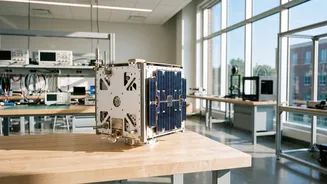
Ultimately, encouraging student visits is more than an educational initiative; it is a strategic investment in India's future. The country aims to significantly increase its share of the global space economy, projected to be worth $44 billion within the next decade. Achieving this goal depends on a steady supply of innovators, engineers, and entrepreneurs. Initiatives led by bodies like the Indian National Space Promotion and Authorisation Centre (IN-SPACe), which organizes student competitions for designing small satellites and rockets, are critical. By fostering a scientific temperament from a young age, India is not just building a workforce; it is cultivating a generation that is equipped and inspired to drive the nation's long-term ambitions in the competitive global space arena.