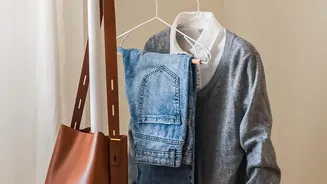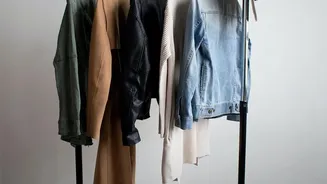






The Foundation: Master the Art of Layering
The core principle for handling fluctuating temperatures is the three-layer system. Instead of one bulky jacket, think in terms of adaptable layers you can add or remove. Your base layer, closest to your skin, should be lightweight and moisture-wicking.
Think thin long-sleeve tops or tees made from merino wool or a synthetic blend, never cotton, which holds moisture and can make you cold. The mid-layer is your warmth engine; this is your fleece, a light down vest, or a cashmere sweater. Finally, the outer layer is your shield against wind and rain. A packable, water-resistant jacket is a non-negotiable item that can be thrown over everything else when a sudden storm hits.
Choose Your Fabrics Wisely
The right materials are critical for a functional travel wardrobe. Merino wool is a superstar fabric because it is breathable in the heat but provides insulation when it’s cold. It’s also naturally odour-resistant, meaning you can wear it multiple times before washing. Other excellent choices include Tencel, a breathable and durable fabric, and performance synthetics designed to wick sweat and dry quickly. While linen is great for pure heat, it wrinkles easily and offers no warmth, so it's less ideal for a mixed-weather trip. Prioritizing fabrics that perform well in a range of conditions is the most efficient way to build your kit.
Embrace the Power of Convertible Clothing
Multi-purpose items are the MVPs of a capsule wardrobe. Look for pieces that can be worn in multiple ways to maximize your outfit options without adding bulk. A large, high-quality scarf can function as a wrap on a cool evening, a blanket on a plane, or even a makeshift head covering. Some brands specialize in convertible clothing, offering dresses that can be styled in over eight different ways or trousers that can be transformed into jumpsuits. Even simpler items like a cardigan dress can be worn buttoned up on its own, or open as a light jacket over a top and pants.
Build Around Neutrals, Add Colour with Accessories
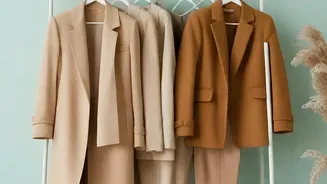
To ensure every piece in your wardrobe works together, start with a simple colour palette. Choose two or three neutral base colours like black, navy, grey, or khaki for your main items like trousers, jackets, and core tops. These classic shades are easy to mix and match. Then, inject personality and variety with smaller, more colourful accessories. A vibrant scarf, a statement piece of jewellery, or a colourful bag can completely change the feel of an outfit without taking up significant luggage space. This strategy prevents you from packing an item that only works with one other piece, ensuring maximum versatility.
The Strategic Three-Shoe Rule
Footwear is often the bulkiest part of packing, so it’s crucial to choose wisely. For most trips with variable weather, three pairs are all you need. First, a comfortable and waterproof pair of walking shoes or stylish sneakers is essential for days with lots of sightseeing, rain or shine. Second, pack a smarter flat or a comfortable sandal that can be dressed up for evenings or worn on warmer days. Finally, consider a versatile ankle boot that can handle cooler temperatures and looks equally good with trousers or a dress. Always wear your heaviest, bulkiest pair on the plane to save precious suitcase space.