







What Commuters Want Most
Across Indian cities, a consistent theme has emerged from commuter surveys: safety and hygiene are no longer considered luxuries, but fundamental requirements for bus travel. One nationwide survey of over 3,100 travellers found that hygiene and safety were
the top two factors influencing their choice of inter-city bus service. Interestingly, women tend to prioritise safety and hygiene, while men often place a higher value on punctuality. Another study highlighted that comfort and safety have the greatest impact on overall passenger satisfaction. This shift indicates that while affordability remains important, passengers are increasingly willing to pay more for a service they perceive as safer and cleaner, with features like on-board washrooms and real-time GPS tracking being highly sought after.
The Overcrowding and Cleanliness Challenge
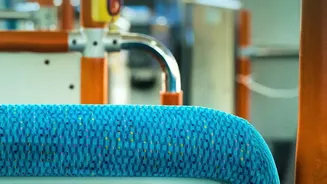
Despite the clear preference for cleaner buses, the reality on the ground often falls short. A survey across 21 cities revealed that 85% of commuters are dissatisfied with public transport, citing issues like subpar maintenance as a key hindrance. Overcrowding is another major pain point, with 37% of Indians avoiding public transport entirely because of it. Passengers frequently report that buses are not cleaned regularly, and seat conditions are often poor, leading to discomfort. This is especially true during rush hours when vehicles are packed beyond capacity. The demand for better hygiene is so strong that a recent survey found 77% of travellers view in-bus washrooms as essential, with 89% emphasising the importance of overall cleanliness.
Navigating Onboard Safety
Safety concerns extend beyond the condition of the bus itself. Personal security, especially for female travellers, is a significant issue. Studies show that features like GPS tracking are preferred by a majority of passengers (60%) because they provide a sense of security and reduce travel-related stress. Beyond technology, physical safety remains a concern. The construction of buses, particularly sleeper coaches, has come under scrutiny. Many are built in local workshops that may not adhere to mandatory Automotive Industry Standards (AIS), using flammable materials and lacking sufficient emergency exits. This makes it crucial for passengers to be aware of their surroundings and the safety features, or lack thereof, on their bus.
Your Guide to a Safer Journey
While transport authorities work on systemic improvements, you can take immediate steps to enhance your safety. Before booking, choose a trusted operator known for maintaining safety standards. When you board, identify the emergency exits. Securing your luggage with a small chain or lock can prevent theft, a common issue on public transport. For overnight journeys, especially for women, it's advisable to dress modestly and, if possible, choose a seat next to another woman to avoid unwanted attention. Always share your live location or bus tracking details with a family member or friend. Finally, have emergency numbers, like the universal 112 or railway helpline 182, saved on your phone.
Tips for a Cleaner Commute
Until cleanliness standards are universally improved, a few personal habits can make your journey more hygienic. Always carry a hand sanitiser with at least 60% alcohol and use it after touching common surfaces and before eating. Carrying your own water bottle and snacks is a good practice to avoid buying from potentially unhygienic stalls. If you're on a long journey, consider carrying disposable gloves or tissues to create a barrier between you and dirty surfaces. Wearing a mask can also help, not just for airborne illnesses but also as a general barrier in a crowded space. For overnight trips, having your own blanket is also recommended.