





The Urban Heat Island Explained
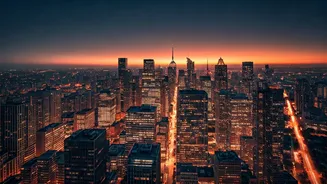
The core reason our major cities remain so warm is the Urban Heat Island (UHI) effect. This occurs when urban areas are significantly warmer than surrounding rural areas. During the day, materials that make up our cities—like concrete, asphalt, and metal—absorb
a massive amount of solar radiation. After the sun sets, these materials slowly release this stored heat back into the atmosphere, preventing the city from cooling down. Studies show that in some dense Indian city areas, nighttime temperatures can be 2-6°C higher than in nearby greener areas, creating a persistent bubble of warmth.
Our Cities Are Built of Heat Sponges
Think of a city as a giant collection of heat sponges. Asphalt roads and dark-coloured rooftops are particularly effective at this, absorbing up to 95% of the sun's energy. Concrete, the primary building block of our urban landscape, also has a high thermal mass, meaning it's excellent at storing heat and releasing it slowly. This slow release of heat throughout the evening and night is a primary driver of high nighttime temperatures, making sleep difficult and increasing the risk of heat-related health issues. This continuous thermal stress prevents our bodies from recovering from the heat of the day.
The Disappearance of Natural Coolants
Rapid urbanisation has led to a drastic reduction in natural cooling elements like trees, parks, and water bodies. Vegetation cools the environment through shade and a process called evapotranspiration, where plants release water vapour into the air. A single large tree can have the cooling effect of multiple air conditioners. As we replace green cover with impervious concrete and asphalt surfaces, we lose this vital natural service. Studies have shown that expanding urban greenery, such as parks and roadside trees, can lower local air temperatures by several degrees.
Human Activity and Urban Design
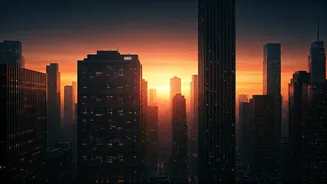
Beyond the materials themselves, the very structure and activity of a city contribute to the heat. Heat generated from human activities, known as anthropogenic heat, comes from vehicles, industrial processes, and the millions of air conditioning units that pump hot air out into the streets. Furthermore, the design of our cities—with tall buildings packed closely together—creates 'urban canyons'. These canyons trap heat and block wind flow, which would otherwise help to dissipate the warmth and cool the city down after sunset.
Rising Humidity Worsens the Effect
In many Indian cities, especially coastal ones like Mumbai and Chennai, rising humidity is making the heat feel even more oppressive. Humid air makes it harder for sweat to evaporate from our skin, which is the body's primary way of cooling down. When high heat combines with high humidity at night, it robs the body of its ability to rest and recover, increasing health risks like heat exhaustion and heatstroke. An analysis of six Indian megacities revealed that increasing humidity has worsened heat stress in every city.