





Why Visit Wayanad After the Rains?
The magic of Wayanad truly comes alive in the post-monsoon months, from late September to November. After the heavy rains subside, the entire district is transformed into a vibrant green paradise. The dust is settled, the waterfalls are still full, and
the weather is pleasantly cool, making it ideal for sightseeing and outdoor activities. This period is a sweet spot for travelers; you get to experience the lushness of the monsoon season but with clearer skies and fewer crowds than the peak winter season that follows. The air is fresh, the coffee and spice plantations are aromatic, and the rolling hills are draped in a layer of mist, creating a serene and picturesque atmosphere perfect for a rejuvenating getaway.
Getting There From Bengaluru
Wayanad is highly accessible from Bengaluru, making it a popular weekend destination. The journey itself is part of the adventure. The most common way to travel is by road, a distance of about 280-300 kilometers. By Car: A self-drive trip takes approximately 6 to 7 hours. The most scenic route takes you via Mysore and then through the Bandipur and Muthanga Wildlife Sanctuaries. Be mindful that the forest stretch has restricted travel times, typically closing to traffic at night, so plan your departure from Bengaluru accordingly. By Bus: Numerous KSRTC and private buses, including comfortable overnight sleepers, ply this route daily. This is a convenient and budget-friendly option, with most buses heading to Kalpetta, Sulthan Bathery, or Mananthavady, the main towns in Wayanad district. An overnight journey means you can wake up fresh in the green hills of Wayanad.
Finding Your Affordable Home
To truly soak in the local culture and landscape, skip the generic hotels and opt for a homestay. Wayanad is dotted with affordable homestays that offer a cozy, authentic experience without breaking the bank. These stays range from rooms within a family’s heritage home to private cottages set amidst sprawling coffee or pepper plantations. Staying in a homestay gives you a chance to interact with locals, savor delicious home-cooked Kerala cuisine, and get insider tips on hidden gems to explore. Many budget-friendly options provide essential amenities and a clean, comfortable environment. Look for properties in areas like Kalpetta for central access, Vythiri for a rainforest vibe, or near Sulthan Bathery for a mix of heritage and nature.
The Serenity of Bamboo Rafting
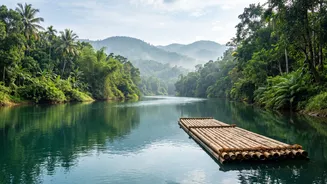
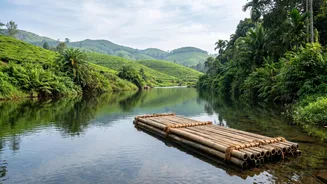
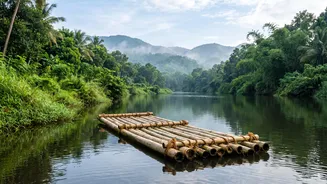
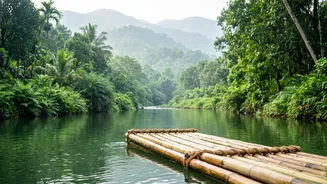
The headline attraction for a tranquil trip is undoubtedly bamboo rafting. The most popular spot for this is Kuruva Island (Kuruvadweep), a 950-acre protected river delta on the Kabini River. Please note that the island is often closed during the peak monsoon months (June-September) due to high water levels, reopening as the rains subside, making the post-monsoon period perfect for a visit. Visitors are ferried across the streams on bamboo rafts operated by the tourism department. The experience is calm and meditative as you glide through the serene waters, surrounded by dense evergreen forest. It’s a fantastic way to spot local birdlife and simply disconnect. Other local operators also offer rafting experiences on different stretches of the river, often lasting for an hour or two, providing a peaceful and unique perspective of Wayanad’s beautiful waterways.
Other Post-Monsoon Marvels
While rafting is a highlight, Wayanad has much more to offer after the monsoon. The landscape is primed for exploration. You can trek to the ancient Edakkal Caves, with their prehistoric petroglyphs, a journey made more pleasant by the cooler weather. Visit the majestic Soochipara or Meenmutty waterfalls, which are still impressive after the rains. Take a boat ride on the serene Pookode Lake, often shrouded in mist. For a breathtaking view, drive up to the Lakkidi View Point, which offers a panoramic vista of the winding ghat roads below. Another must-see is the Banasura Sagar Dam, India's largest earthen dam, which looks spectacular with its reservoir full and the surrounding hills cloaked in green.