

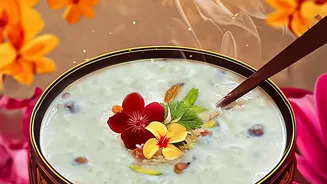
The Science of Sattvic Eating
Sawan fasting centres on a sattvic diet—simple, pure foods that are light on the body and calming for the mind. Traditionally, this means avoiding regular grains like wheat and rice, lentils, table salt, and tamasic (heating) ingredients such as onion
and garlic. The monsoon season, when Sawan falls, is also a time when Ayurveda suggests our digestive system is weaker. A sattvic diet, being easy to digest, aligns with this seasonal wisdom, making the fast a physically cleansing experience as well as a spiritual one.
Build Your Energy Foundation
How you begin your fasting day sets the tone for your energy levels. If your fast allows for a pre-dawn meal, focus on slow-releasing energy. A combination of protein and complex carbohydrates is ideal. Think a bowl of fruit with curd, a glass of milk with soaked almonds, or a small portion of Sabudana Khichdi. These foods provide sustained fuel, preventing the energy dips and hunger pangs that can occur later in the day. Bananas and sweet potatoes are particularly excellent choices for their carb content.
Hydration: Your Energy Lifeline
Fasting, especially in the humid monsoon weather of August, can easily lead to dehydration, causing fatigue and headaches. Prioritising fluids is non-negotiable. Water is essential, but you can supplement it with other hydrating, vrat-friendly options. Coconut water is a fantastic natural electrolyte drink. Buttermilk (chaas), homemade lassi, and fresh fruit juices also help maintain your fluid balance and keep you feeling refreshed and energetic throughout the day.
Smart Snacking for a Mid-Day Boost
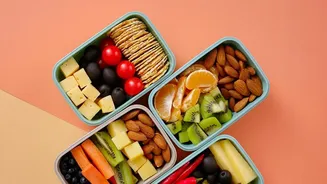
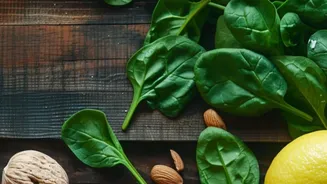
When energy levels begin to flag in the afternoon, a smart snack can make all the difference. Instead of reaching for fried options, which can make you feel sluggish, opt for nutrient-dense choices. A handful of nuts like almonds, walnuts, and pistachios provides healthy fats and protein. Roasted makhana (fox nuts) are light, crunchy, and a great source of protein and essential minerals. Fresh fruits are always a winning choice, offering natural sugars for a quick but healthy energy lift.
The Main Vrat Meal: Balanced and Nourishing
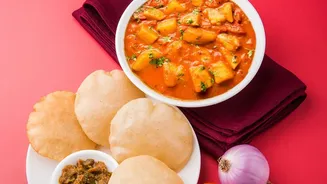
The one main meal eaten during the fast should be balanced and restorative. This is where vrat-friendly flours and grains shine. Flours like Kuttu (buckwheat), Singhara (water chestnut), and Rajgira (amaranth) can be used to make rotis or puris. Samak rice (barnyard millet) is a versatile substitute for regular rice and can be made into a pulao or khichdi. Pair these with a vegetable dish made from lauki (bottle gourd) or pumpkin, and a side of paneer or curd for a complete, protein-rich meal that replenishes your body.
Foods to Limit for Lasting Vitality
Just as important as what you eat is what you avoid. While many vrat-friendly snacks are available, a lot of them are deep-fried, such as pakoras or sabudana vadas. These can lead to acidity and a feeling of heaviness or lethargy. Similarly, treats high in refined sugar can cause an initial energy spike followed by a crash. Try to bake or air-fry snacks where possible, and sweeten desserts naturally with fruits or dates. The goal is to feel light and energised, not weighed down.