







The 'Pain of Paying' Problem
First, it's important to understand why UPI can lead to overspending. Psychologists call it the 'pain of paying'. [4, 11] Handing over physical cash triggers a small, tangible sense of loss in our brains, which acts as a natural brake on spending. [11,
14] Digital payments are frictionless and almost invisible, removing this psychological speed bump. [2] A quick scan doesn't feel the same as your wallet getting lighter, making it easier to spend more than you realise on everything from food delivery to online shopping. [2, 4, 15] This convenience is fantastic, but it demands more conscious effort to stay in control.
Habit 1: Schedule a Weekly UPI Review
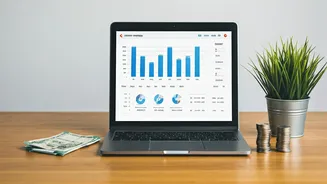
Don't let your transaction history just be a long, scrolling list of payments. Turn it into a tool. Set a calendar reminder for 15 minutes every Sunday to review your past week's UPI spending. [20, 23] Most apps like PhonePe, Google Pay, and Paytm automatically categorise your spending. [3, 5] Look at these summaries. Where did your money actually go? Seeing a consolidated figure for 'Food & Dining' or 'Shopping' is often more impactful than remembering individual small payments. [5] This habit isn’t about judging yourself; it's about building awareness, which is the first step to making changes.
Habit 2: Use the 'Two-Account' System
A popular strategy among financially disciplined users is to maintain two separate bank accounts. [26] Link only one of these accounts—your 'spending' account—to your primary UPI app. At the beginning of the month, transfer your budget for discretionary expenses (eating out, entertainment, shopping) into this account. Your main salary and savings account remains separate and unlinked from daily payment apps. This creates a natural spending limit. When the money in your spending account runs low, you have a clear signal to slow down, rather than dipping endlessly into your main savings.
Habit 3: Activate Spending Limits and Nudges
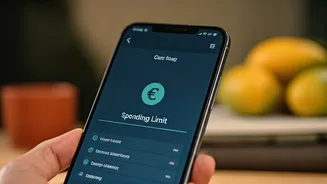
Your UPI app has built-in features designed to help you. Use them. Go into your app's settings and set a daily or monthly transaction limit. [3, 5] While this is primarily a security feature, it can also serve as a psychological guardrail. Some apps, like the BHIM app, have introduced features like 'Spend Analytics' and the ability to set self-defined spending limits, with alerts that 'nudge' you when you're approaching your own threshold. [9] Activating notifications for every single transaction also helps. That constant stream of alerts is a real-time reminder of your spending activity, making it less invisible. [5, 20]
Habit 4: Practice the 24-Hour Rule for Big Purchases
The speed of UPI is a major driver of impulse buys. [10] To counter this, introduce a mandatory waiting period for any non-essential purchase above a certain amount (say, ₹1,000). [25, 28] When you find something you want to buy online or in a store, don't pay immediately. Instead, add it to your cart or make a note of it. Wait 24-48 hours. [25] This simple delay separates the thrill of the moment from the actual decision to spend. After a day, the emotional urgency often fades, allowing you to assess whether you truly need the item. This reintroduces the friction that digital payments removed. [11]
Habit 5: Go Hybrid with Cash for Problem Areas
If you find you consistently overspend in a specific category, like afternoon coffee or weekend food orders, consider a hybrid approach. For that one category, switch back to cash. [13, 28] At the start of the week, withdraw a fixed amount of cash for your 'chai and snacks' budget. When the cash is gone, it's gone. Using physical money for these small, frequent purchases re-introduces the 'pain of paying' where you need it most, helping you feel the financial impact and cut back more effectively, while still using UPI for all other conveniences like bills and rent. [4, 16]