





The End of 'Doing' and the Rise of 'Being'
For decades, a successful holiday was measured by quantity: how many cities visited, how many monuments photographed, and how many relatives’ homes you could fit into a two-week schedule. This was travel as a task list. For India’s younger generation,
however, that model is losing its charm. Instead of a packed itinerary, the new goal is often to have no itinerary at all. Reports show that relaxation is a primary motive for travel for a majority of young Indians. This has given rise to the 'calmcation' or 'slow travel' trend, where the point isn’t to see everything, but to deeply experience one place. The question is shifting from “What can we do here?” to “How will this place make us feel?”.
More Trips, Shorter Stays
This shift doesn’t mean Gen Z is travelling less. In fact, they are travelling more frequently. Instead of one long annual vacation, many now prefer multiple shorter getaways throughout the year. According to recent travel reports, a significant majority of Indian Gen Z travellers plan for one to six trips annually, with most opting for stays that last between one and seven days. This move towards shorter, more spontaneous trips allows travel to fit more easily around work, study, and personal schedules. It's less about a grand annual event and more of a regular habit, a way to escape burnout and break the monotony of routine.
The Instagram Effect: Curated Stays Over Crowded Spots
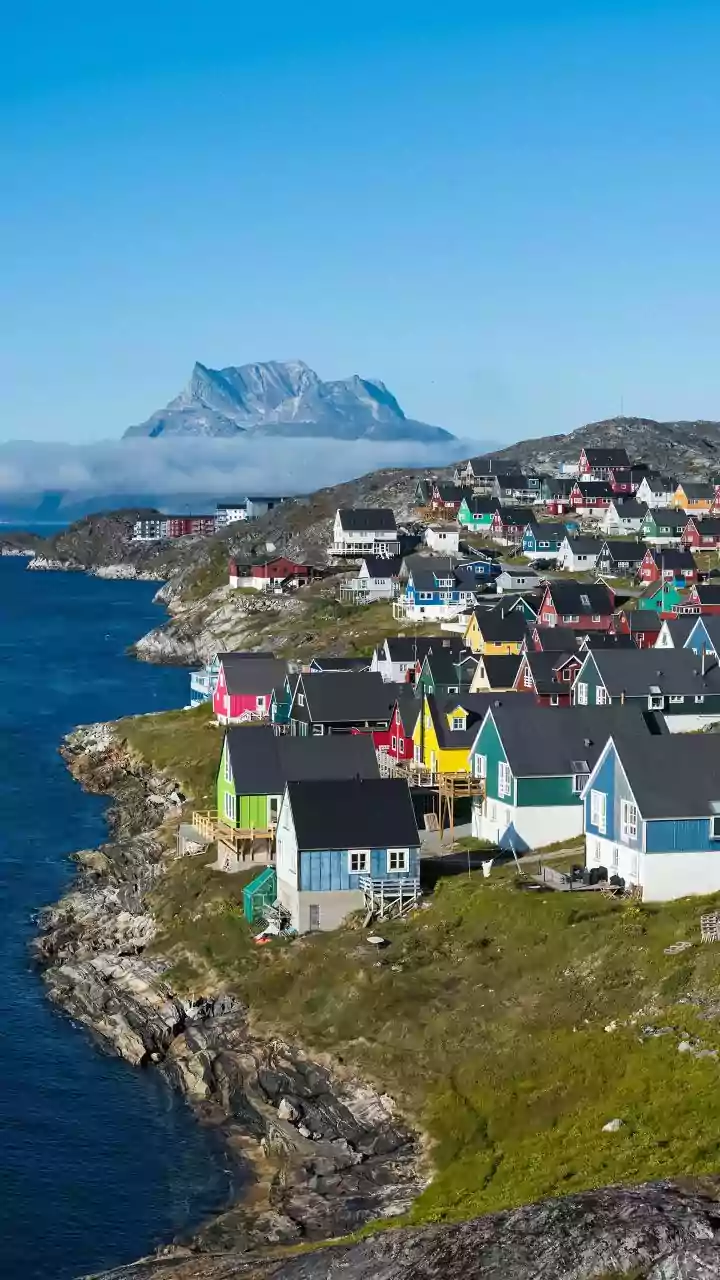
Social media has fundamentally changed how young Indians discover and decide on travel. Platforms like Instagram and YouTube are now primary sources of inspiration, with visual appeal playing a huge role. This has fuelled a desire for aesthetically pleasing, 'Instagrammable' accommodations, from boutique homestays and private villas to eco-resorts in lesser-known locations. Young travellers are actively seeking out unique stays that reflect their personal taste. Rather than flocking to crowded tourist hotspots, many are choosing offbeat destinations to get a more authentic experience—and a better picture. This generation trusts user-generated content and influencer recommendations far more than traditional marketing.
Experiences Over Extravagance
At the heart of this new travel culture is a focus on authentic experiences over simple sightseeing. Gen Z travellers are driven by a desire for cultural immersion, outdoor activities, and self-discovery. This could mean learning a local craft, exploring regional cuisine, or even embarking on spiritual journeys, a trend that is seeing a surprising surge among younger travellers. It’s about creating memories and connecting with a place on a deeper level. For this generation, travel is an act of self-expression; 87% agree that the way they travel reflects who they are as a person. They are choosing journeys that offer personal growth and a genuine story to tell, rather than just a checklist of visited landmarks.
The New Companionship
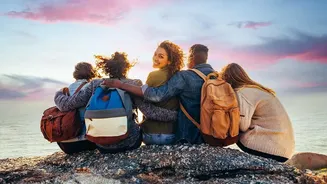
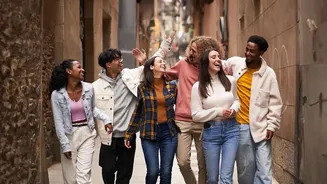
The traditional family group tour is also evolving. While family trips still happen, Gen Z is increasingly choosing to travel with partners, friends, or even solo. Recent data shows that travel with partners is now the most common format for young Indians, followed by a rising interest in solo travel for relaxation and recharging. When travelling in groups, there's a marked preference for shared accommodations like a single large villa or homestay over separate hotel rooms, fostering a more connected, communal experience. Interestingly, who they travel with is often more important than the destination itself, highlighting the social and emotional value this generation places on their holidays.