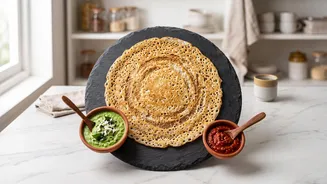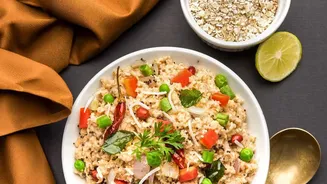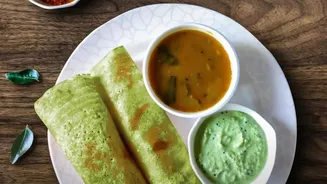


The oats dosa is a modern kitchen hero—quick, healthy, and satisfying. But have you ever wondered why so many recipes add rice flour and semolina to the mix? It turns out these ingredients are the secret to getting that perfect dosa texture.
The Rise of the Oats Dosa
In the world
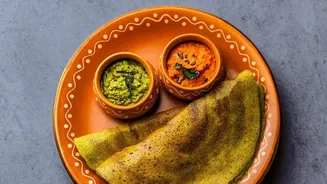
of South Indian cuisine, the traditional dosa, made from a fermented batter of rice and lentils, is legendary. However, it requires planning: soaking, grinding, and fermenting. The instant oats dosa has surged in popularity as a fantastic alternative for busy households. It offers the comfort of a dosa without the lengthy preparation, ready in under 30 minutes. Made primarily from powdered oats, it brings a wealth of fibre and a nutty flavour to the breakfast table. But oats on their own have a tendency to create a soft, sometimes even gummy, pancake. This is where a little culinary science and some traditional wisdom come into play to transform it into a true dosa.
Rice Flour: The Secret to Crispiness
The single most important quality of a great dosa is its texture—that satisfying, brittle crispiness. Rice flour is the key ingredient responsible for this. While oats provide body and nutrition, they lack the specific starch structure that creates a crispy finish when cooked on a hot tawa. Adding rice flour to the oats batter provides the necessary framework, ensuring the dosa becomes golden and crunchy, especially around the edges. It acts as a binding agent and helps the dosa release cleanly from the pan. Without it, you're more likely to end up with a soft crepe or uttapam. Too much, however, can make the dosa hard once it cools, so finding the right balance is crucial.
Semolina: For Texture and a Lacy Look
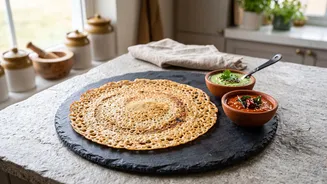
Semolina, also known as rava or sooji, plays a different but equally important role. Its primary contribution is texture. Fine semolina granules add a delicate, sandy crunch that complements the crispiness from the rice flour. When you pour a thin, watery batter containing semolina onto a very hot pan, the water evaporates quickly, leaving behind the characteristic lacy, porous web that restaurant-style rava dosas are famous for. Semolina also absorbs moisture, helping to create a batter with the perfect, flowing consistency needed for this pouring technique. Most recipes recommend letting the batter rest for 15-20 minutes to allow the semolina to hydrate properly, which prevents the dosa from breaking.
Perfecting the Batter and Technique
The magic of an oats dosa lies in the synergy of its three main flours: oats for health and body, rice flour for crispiness, and semolina for a lacy texture. The ideal oats dosa batter is thin and watery, more like buttermilk than a traditional thick dosa batter. This runny consistency is essential for achieving the net-like pattern. Unlike regular dosas where you spread the batter, an oats dosa batter is poured from a height onto a very hot tawa, starting from the edges and working inwards. It's important to stir the batter well before making each dosa, as the heavier flours tend to settle at the bottom. Many recipes also include a bit of curd or yoghurt, which adds a subtle tang to mimic the flavour of fermentation and helps the dosa achieve a lovely golden-brown colour.