







The Real Cost of Kitchen Waste
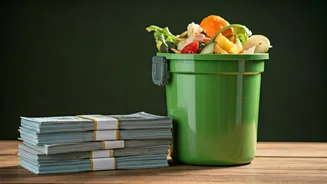
Before we get to the solution, let's understand the problem. Food waste isn't just an environmental issue; it's a direct hit to your wallet. According to the UN Environment Programme's 2021 Food Waste Index Report, Indian households discard an estimated
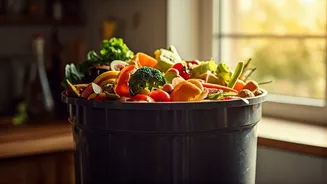
50 kilograms of food per person every year. Think about that. For a family of four, that's 200 kg of food—and the money spent on it—going straight into the bin annually. It’s the bhindi you bought with good intentions, the milk that soured before you could use it, and the extra rice from dinner. Each item adds up, turning your kitchen bin into a costly graveyard for groceries.
The Habit: Your Weekly Kitchen Audit
The secret to transforming your kitchen isn't a complicated spreadsheet or a rigid, joyless meal plan. It’s one simple habit: the Weekly Kitchen Audit. This is a quick, 15-minute ritual you can do once a week—say, on a Sunday evening or before you do your weekly grocery run. The goal is to get a clear, honest picture of everything you have on hand. It sounds incredibly simple, and it is. That's why it works. It’s not about restriction; it’s about awareness. By knowing what you have, you can stop the cycle of buying more of what you don’t need and letting good food go to waste.
Step 1: The 'Use-It-First' Scan
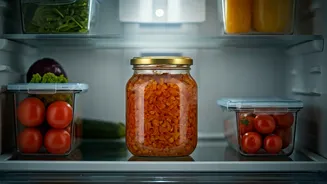
Start with the most vulnerable items. Open your fridge and pull out any vegetables, fruits, dairy, and leftovers that are on the verge of turning. This is your 'Use-It-First' pile. Is that bundle of spinach starting to wilt? Are those tomatoes getting a bit soft? Is there a small container of paneer that needs to be cooked today? Don't just look; physically move these items to a designated shelf or a box in your fridge. This visual cue acts as a powerful reminder throughout the next couple of days, shouting, “Eat me next!” This simple act of sorting separates what’s urgent from what can wait.
Step 2: Plan Two Meals, Not Seven
Now, look at your 'Use-It-First' pile. The next step is to plan just two or three meals around these ingredients. This isn’t about mapping out your entire week, which can feel overwhelming and rigid. It’s about creating a mini-plan to rescue your food. If you have soft tomatoes, wilting coriander, and an onion, that’s the base for a quick rasam or a simple tomato chutney. The half-used block of paneer and some ageing capsicum can become a quick bhurji. By focusing only on the next 48 hours, you create an actionable plan that prevents immediate waste without locking you into a strict schedule.
Step 3: Build a Smarter Shopping List
Only after you’ve completed the first two steps should you think about your grocery list. With your 'Use-It-First' plan in mind, your list-making becomes infinitely smarter. Instead of wandering the aisles and buying what looks good, you'll be shopping with purpose. You’ll know that you don't need to buy more tomatoes because you have some to use up. Maybe you just need some ginger and garlic to complete your chutney, or a bit of curd to go with your parathas. Your shopping list will naturally become shorter and more focused. You'll buy what you need to complement what you already have, not duplicate it.
The Ripple Effect of One Habit
This single habit has benefits that ripple out far beyond just reducing waste. Firstly, the financial savings are immediate and noticeable. When you buy less and use more, your grocery bills shrink. Secondly, it drastically reduces the daily stress of figuring out “what’s for dinner?” When you already have a plan for the next couple of meals, you eliminate decision fatigue. Finally, it encourages creativity in the kitchen. Finding ways to use up what you have can lead you to discover new recipes and flavour combinations, making cooking more of an adventure and less of a chore.