






The Foundation of a Smart Garden
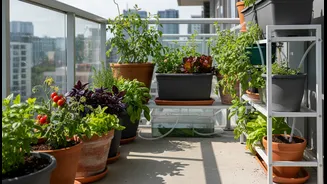
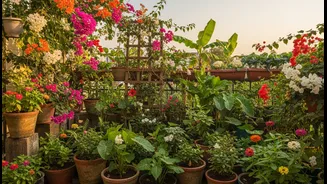
Before diving into seasonal specifics, a few universal truths apply to all successful balcony gardens. First, understand your space. Observe how much sunlight your balcony receives throughout the day. A south or west-facing balcony is ideal for sun-loving
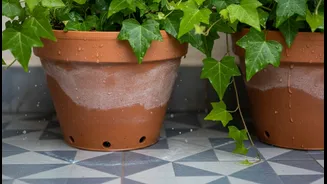
plants, while an east-facing one gets gentler morning light. North-facing balconies receive the least direct sun and are best for shade-tolerant plants. Second, choose the right containers. Pots must have drainage holes to prevent waterlogging, which is a common reason for plant failure. Terracotta pots are porous and breathable, while lighter plastic or fabric grow bags are easier to move. Finally, use a quality potting mix. Avoid heavy garden soil, which compacts easily in pots. A lightweight mix of soil, coco peat, and compost provides nutrients, aeration, and proper drainage.
Thriving Through the Summer Heat
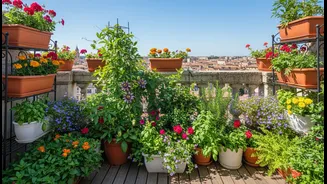
Indian summers, with temperatures often soaring, demand heat-tolerant plants. Species like Bougainvillea, Hibiscus, Marigold, and Portulaca (Moss Rose) are excellent choices as they thrive in intense sunlight. These plants are adapted to hot conditions and will continue to produce beautiful flowers throughout the season. Watering is critical during summer. Water your plants deeply, but only when the top inch of soil feels dry to the touch. The best time to water is early in the morning before the sun gets too strong. Watering in the afternoon can cause water to evaporate too quickly, while evening watering can sometimes encourage fungal growth. For particularly harsh afternoons, consider using a green shade net to protect more delicate plants from the scorching sun.
Navigating the Monsoon Rains
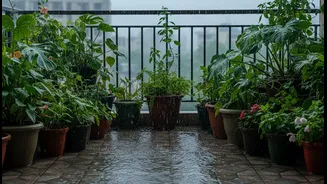
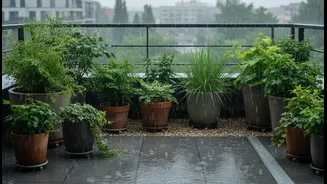
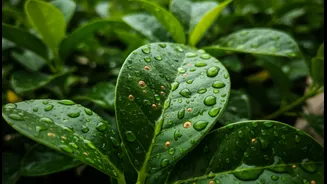
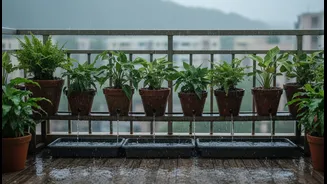
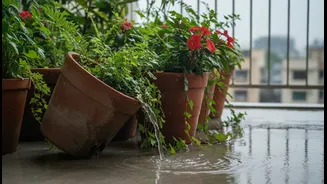
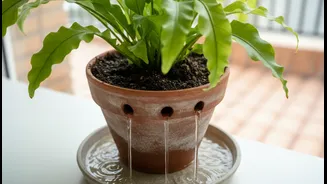
The monsoon season brings relief from the heat but introduces a new challenge: excess water. Good drainage becomes non-negotiable. Ensure all pot drainage holes are clear and consider elevating pots on stands to prevent them from sitting in puddles. During periods of heavy rain, you may not need to water at all. Always check the soil moisture first. High humidity makes plants susceptible to fungal diseases like powdery mildew. To combat this, ensure good air circulation by not overcrowding your plants. If you spot any issues, a natural remedy like a neem oil spray can be effective. Plants that love humidity, such as Rain Lilies, Ginger, Turmeric, and many ferns, will flourish during this time.
Embracing the Cool of Winter
Winter is an ideal time for a burst of colour on your balcony. Many flowering plants that struggle in the heat come to life in the cooler months. Petunias, Pansies, Calendula, and Chrysanthemums are fantastic choices for a vibrant winter display. This season is also perfect for growing leafy green vegetables like spinach and herbs such as coriander and mint. As the temperature drops, plants need less water. The soil will stay moist for longer, so reduce your watering frequency accordingly. With reduced sunlight hours, it's also important to keep leaves clean from dust to maximize light absorption. If you live in an area with very cold nights, grouping pots together near a wall can help them trap warmth and protect each other from chilly winds.