
The Ancient Secret of Porosity
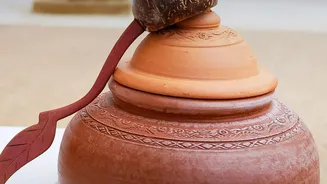
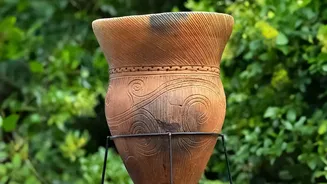
The magic of a terracotta pot lies in its material. Made from natural, unglazed clay and fired at a relatively low temperature, terracotta is porous. This means its walls are filled with microscopic holes that allow air and water to pass through. Unlike
plastic or glazed ceramic containers which are impermeable, a terracotta pot can 'breathe'. This simple characteristic is the key to creating a healthier environment for your plant's roots, mimicking conditions found in nature and providing a buffer against the harsh conditions often found on an exposed balcony.
Natural Moisture Regulation
One of the biggest challenges in container gardening is watering. It's easy to overwater, leading to root rot, or underwater, causing plants to wilt. Terracotta's porosity creates a natural wicking system. When the soil is too wet, the clay absorbs the excess moisture and pulls it away from the root ball. This moisture then slowly evaporates from the pot's outer surface, a process you can feel as a coolness on the pot after watering. This evaporative cooling helps protect roots from overheating on a hot, sun-drenched balcony. Conversely, because the soil dries out more evenly, it reduces the risk of having a soggy bottom layer while the top is bone dry.
A Breath of Fresh Air for Roots
Plant roots don't just need water; they need oxygen. In non-porous pots, soil can become compacted over time, squeezing out the air pockets essential for healthy root function. The porous nature of terracotta allows for constant, gentle air exchange through the pot walls. This aeration keeps the soil loose and oxygenated, encouraging the growth of a robust and fibrous root system. Stronger roots mean a more resilient plant, better able to withstand fluctuations in temperature and moisture, which is a significant advantage in a dynamic balcony environment.
Making Terracotta Work for You
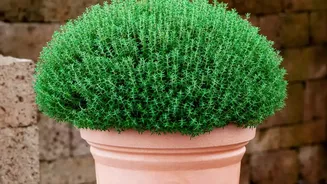
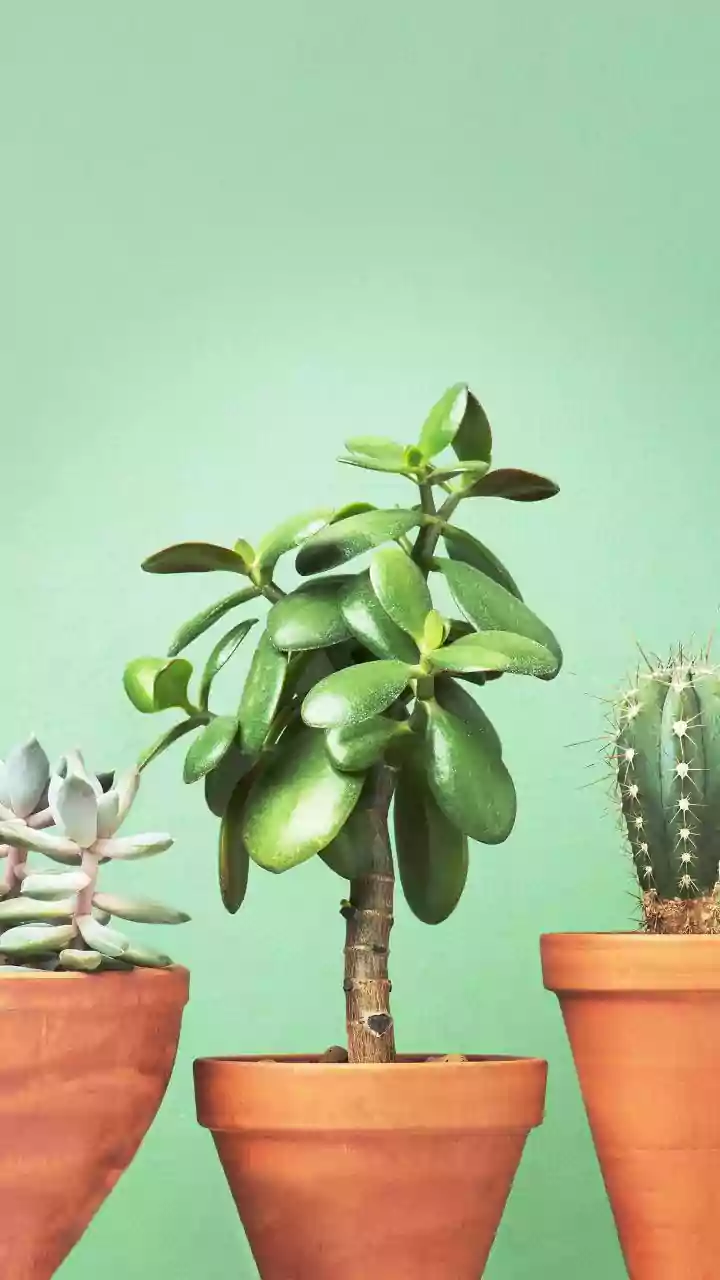
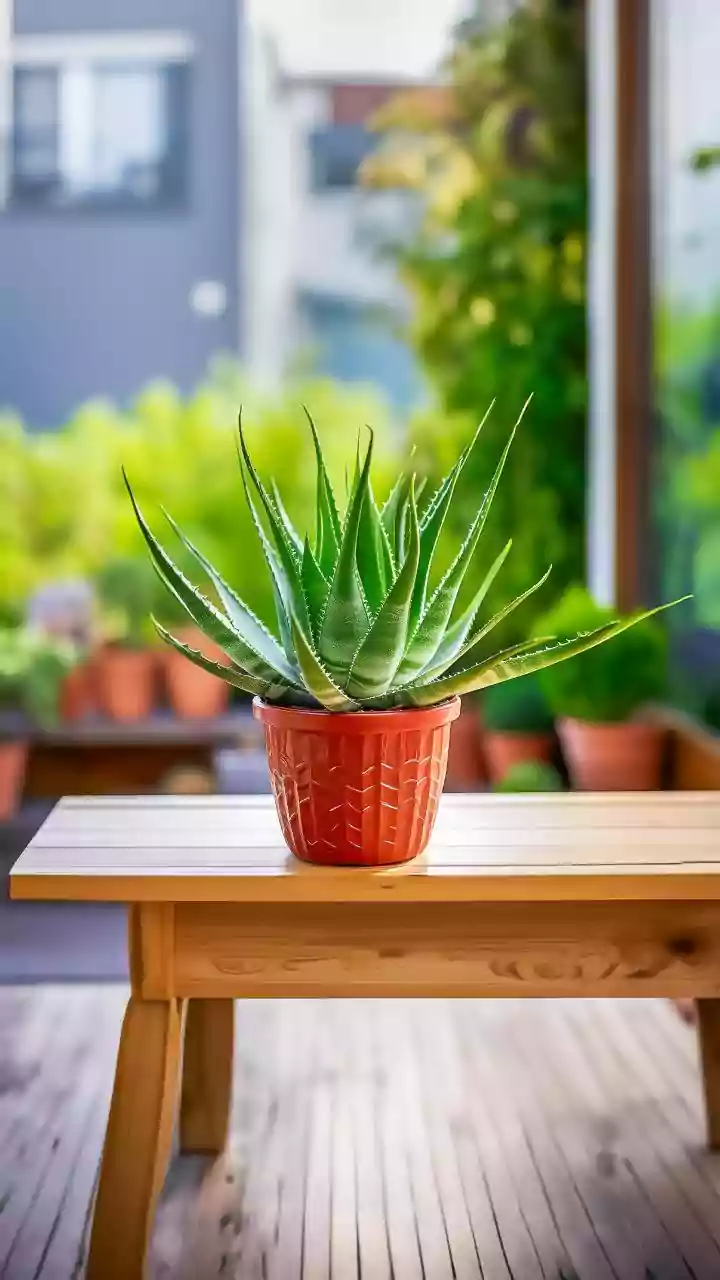
While terracotta offers many benefits, it requires a slightly different approach to care. Because the soil dries out faster, you may need to water more frequently, especially during hot and windy weather. This makes terracotta an excellent choice for drought-tolerant plants like succulents, cacti, and Mediterranean herbs like rosemary and lavender, which thrive in drier conditions. For plants that prefer more consistent moisture, such as ferns, you'll need to be more vigilant. A good practice is to check the soil by inserting your finger an inch or two deep; if it feels dry, it's time to water. You can also tell by the pot's color—it will be visibly lighter when dry.
Practical Tips for Balcony Success
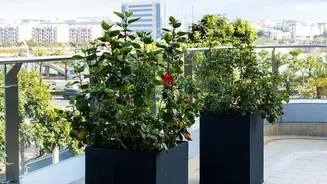
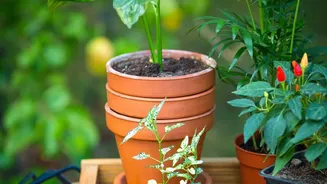
To get the most out of your terracotta pots, start by soaking a new pot in water for about 30 minutes before planting. This prevents the dry clay from immediately wicking all the moisture out of the fresh soil. The weight of terracotta pots also provides stability, making them less likely to blow over in a gust of wind—a key advantage for high-rise balconies. Finally, embrace the patina. Over time, terracotta pots will develop a white, crusty layer from mineral salts in the water. Many gardeners find this aged look adds to their charm, a visual story of your garden's growth.