








The New Shape of India's Monsoon
For generations, India has moved to the rhythm of the monsoon. But that rhythm is changing. While the total volume of rainfall over a season might be decreasing or staying the same, it's arriving in shorter, more violent bursts. An IIT Roorkee study highlighted
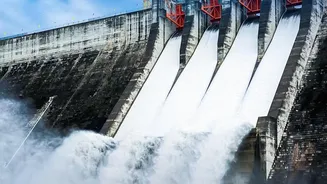
that instead of several weeks of moderate rain, we are now seeing longer dry spells broken by days of extremely heavy downpours. This pattern—fewer rainy days, but fiercer rainfall when it does occur—is becoming the new normal. This shift means that even in a year with a 'normal' or 'below-normal' monsoon on paper, specific regions can be hit with devastating floods.
The Science Behind the Storms
What is driving this dangerous shift? The primary culprit is a warming climate. For every degree Celsius of warming, the atmosphere can hold about 7% more moisture. This means when the conditions are right for a storm, there is far more water available to be released as rain. Scientists have specifically pointed to the warming of the Arabian Sea. This body of water now provides extra moisture, creating surges that lead to extreme rain across central India. This happens even as the traditional drivers of the monsoon, like low-pressure systems from the Bay of Bengal, are weakening. In effect, the monsoon engine is being supercharged to deliver more intense, albeit less frequent, rainfall events.
Our Cities: A Concrete Trap
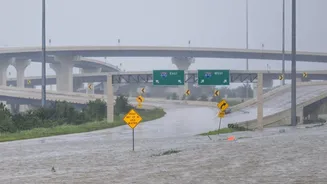
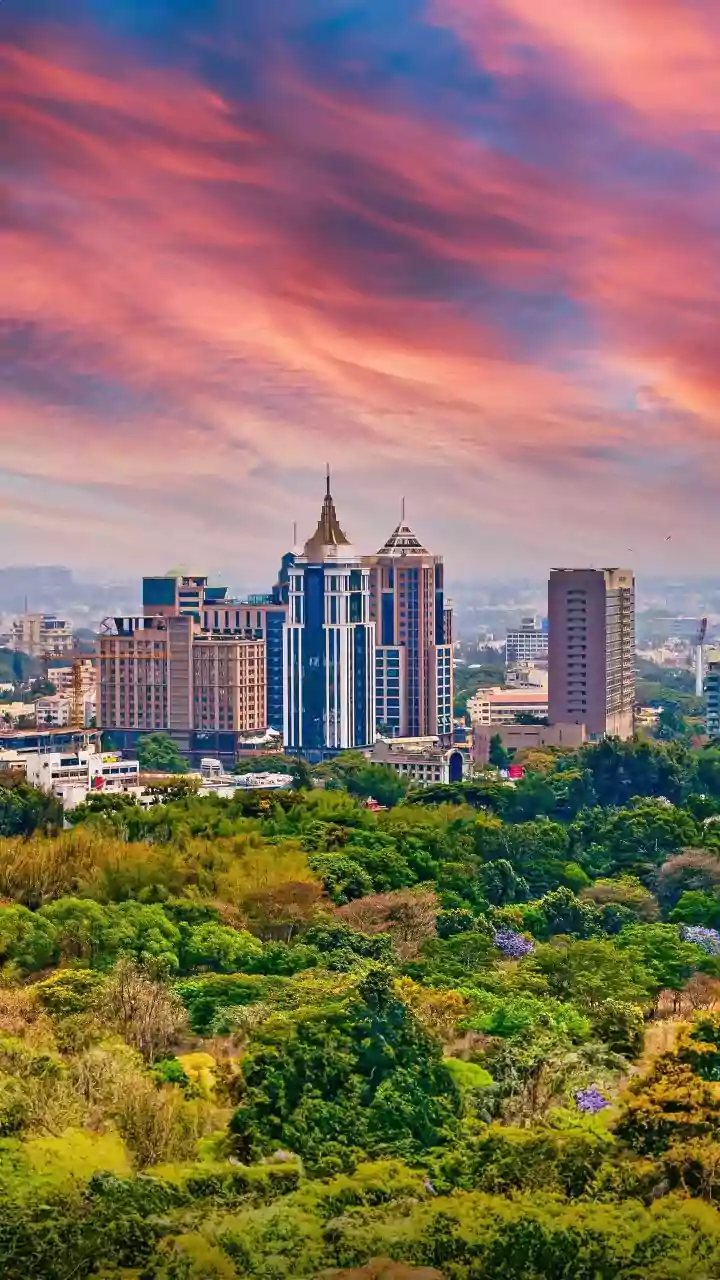
This new rainfall pattern is particularly catastrophic for India's cities. Decades of rapid, unplanned urbanisation have turned our metropolitan areas into concrete jungles. Permeable surfaces like soil, wetlands, and ponds, which would naturally absorb rainwater, have been replaced with asphalt and buildings. As a result, when an intense downpour occurs, the water has nowhere to go. Drainage systems, many of which were designed decades ago for much lower rainfall intensities, are quickly overwhelmed. For example, Mumbai's drains were built to handle 25 mm of rain per hour, but the city now faces spells of over 100 mm per hour. This infrastructure gap is a key reason why cities like Mumbai, Delhi, and Bengaluru now face severe waterlogging after just a few hours of heavy rain.
A Double-Edged Sword for Farmers
The changing monsoon is also a crisis for Indian agriculture, which remains heavily dependent on seasonal rains. The new pattern of long dry spells followed by intense downpours is harmful to crops. Extended dry periods can cause crops to fail, especially during the crucial initial sowing period. When the rain finally arrives in a deluge, it can wash away seedlings, cause waterlogging in fields, and damage mature crops, reducing overall yield. This volatility—too little water for long stretches, then far too much at once—makes farming increasingly precarious and threatens the livelihoods of millions who depend on a predictable monsoon.
Adapting to the New Reality
Tackling this challenge requires a fundamental shift from reactive disaster response to proactive climate resilience. For our cities, this means investing in 'sponge city' concepts: restoring wetlands and green spaces, creating permeable pavements, and modernising stormwater drainage systems. For agriculture, the focus must be on promoting water-efficient irrigation techniques and developing crop varieties that can withstand both drought and flooding. Improved early warning systems for extreme rainfall events are also critical to give disaster managers, farmers, and citizens more time to prepare. The weather itself is changing, and our approach to planning our cities and farms must change with it.