





Beyond the Couch: Redefining the Rest Day
For years, the gospel of strength training dictated that rest days meant one thing: rest. As in, do as little as possible to let your battered muscles heal. While passive recovery certainly has its place, a growing number of lifters are discovering the power
of active recovery. This means swapping the sofa for strategic, low-intensity movement. The idea isn't to add more stress but to gently nudge the body’s natural healing processes along. Instead of seeing rest days as a full stop, think of them as a comma—a chance to keep moving in a way that supports your goals, reduces stiffness, and prepares you for your next heavy session.
What Exactly Is Active Recovery?
Active recovery is the practice of performing low-intensity exercise after a strenuous workout or on a dedicated rest day. The goal is simple: to keep blood flowing and help muscles recover more efficiently than if you were completely sedentary. The key is ‘low intensity’. An active recovery session should feel restorative and refreshing, not draining. You should be able to hold a conversation easily throughout the activity. This isn't the time to push your limits or chase a new personal best; it's about giving your body a productive, gentle break.
The Science of a Smarter Recovery
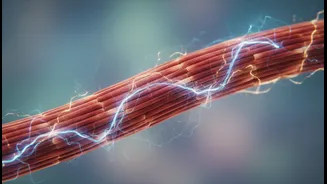
The benefits of this approach are backed by exercise science. Engaging in light movement increases blood flow to your muscles and tissues. This enhanced circulation helps deliver more oxygen and nutrients needed for repair while also flushing out metabolic waste products, like lactate, that can contribute to muscle soreness and stiffness. Studies suggest this process can reduce the severity of delayed-onset muscle soreness (DOMS), that familiar ache that sets in a day or two after a tough workout. By keeping your joints moving and muscles flexible, you can also lower your risk of injury and maintain a consistent training routine without the burnout that comes from overtraining.
Your Recovery Workout Menu
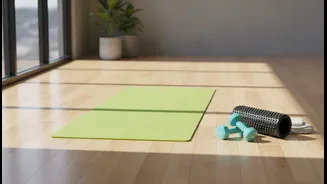
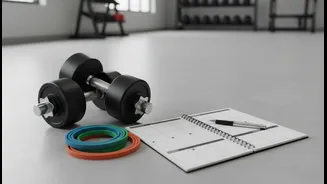
The beauty of active recovery is its versatility. You can choose an activity based on what you enjoy and what your body needs. A 20 to 30-minute session is typically all that's required. Some of the most effective options include: Light Cardio: A brisk walk, a gentle bike ride at low resistance, or a leisurely swim are excellent choices. Water-based activities are particularly good as they are low-impact on the joints. Mobility and Stretching: Gentle yoga, dynamic stretching (like leg swings and arm circles), and mobility work can help release muscle tightness and improve your range of motion. Static stretches, held for 30-60 seconds, are also beneficial. Foam Rolling: This form of self-massage helps break up knots in muscle tissue and fascia, reducing soreness and improving flexibility. Light Bodyweight or Band Work: Simple movements like glute bridges, band pull-aparts, or bodyweight squats can activate muscles without causing strain.
How to Get It Right
To make active recovery work for you, timing and intensity are everything. The best time to schedule an active recovery day is typically the day after a particularly intense training session. The biggest mistake is turning your recovery workout into another challenging session. The intensity should be low enough that you finish feeling better and more energized than when you started, not more fatigued. If you train three days a week, you might add one or two active recovery sessions on your off days. If you train more frequently, like five or six times a week, one dedicated active recovery day can be a crucial tool for managing fatigue and preventing overtraining. Ultimately, the most important rule is to listen to your body. If you are feeling exceptionally sore, tired, or mentally drained, a day of complete rest might be what you truly need.