


Why Your Core Is More Than Just Abs
When we talk about the 'core', it is easy to only picture the six-pack muscles, or rectus abdominis. But your core is a complex system of muscles that wraps around your entire torso, including your back, obliques, diaphragm, and pelvic floor. This muscular
'corset' stabilizes your spine, supports good posture, and provides the foundation for almost every move you make. A strong core improves balance, reduces back pain, and allows for efficient movement in daily activities, from lifting groceries to playing sports. Yoga is uniquely effective for building this functional strength because it challenges the body to stabilize itself in various positions.
The Power of Holding a Pose
The magic of this gentle approach lies in isometric contraction—engaging muscles without movement. When you hold a yoga pose, your core muscles must work continuously to keep you stable. This sustained effort builds both strength and endurance in the deep stabilizing muscles often missed by traditional exercises like sit-ups. Holding a pose also gives you time to focus on proper alignment and deepen your mind-body connection. You learn to feel your core engaging, which translates into better body awareness and control both on and off the mat. This mindful muscle engagement is the key to unlocking real, functional power.
1. Plank Pose (Phalakasana)
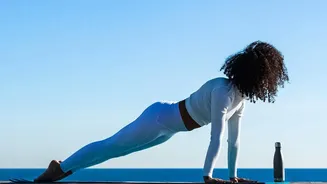
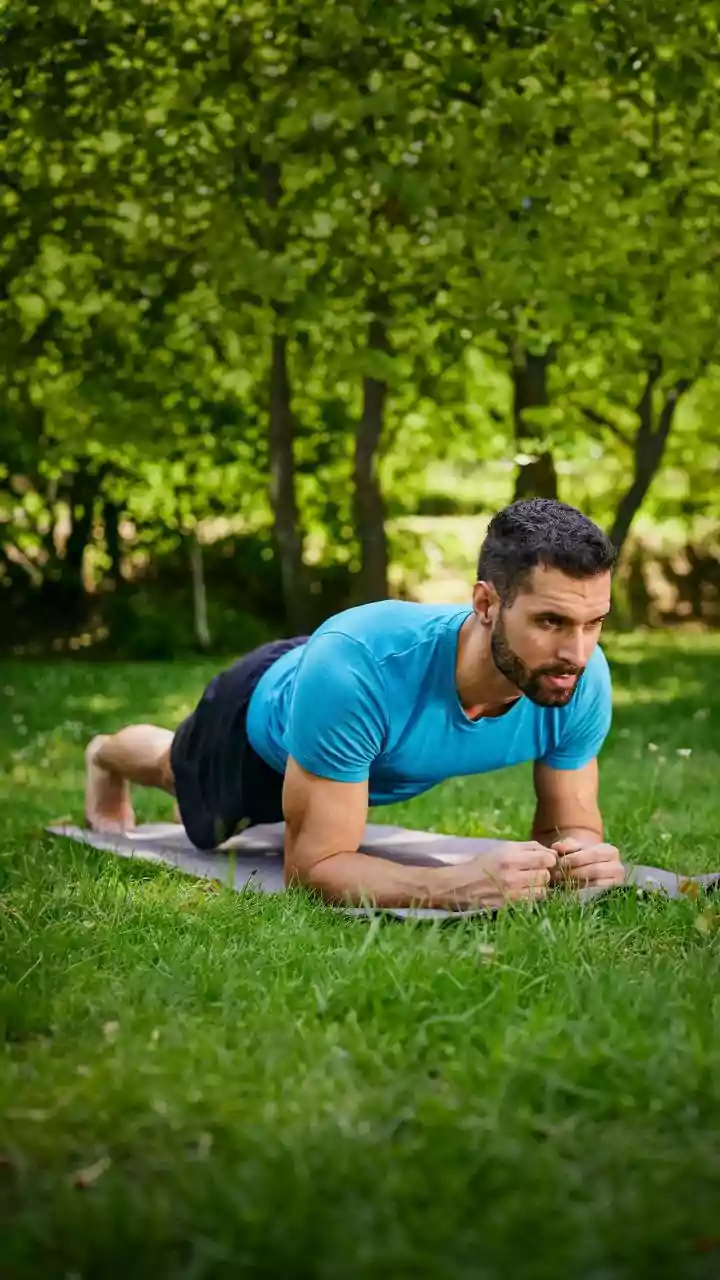
Plank is the quintessential core-strengthening pose for a reason. It engages multiple muscle groups at once, including the entire abdominal wall, back, shoulders, and glutes. To perform it, start on your hands and knees. Step your feet back until your body forms a straight line from your head to your heels. Actively press the floor away with your hands and draw your navel toward your spine to prevent your hips from sagging. Aim to hold for 30 seconds, focusing on steady breathing. This pose builds incredible stability and endurance throughout your midsection.
2. Boat Pose (Navasana)
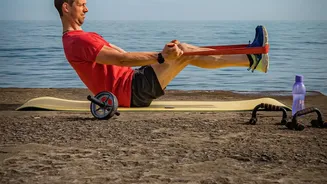
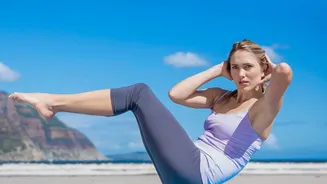
Boat Pose is a fantastic and direct challenge for the abdominal muscles and hip flexors. To get into the pose, sit on the floor with your knees bent and feet flat. Lean back slightly, keeping your spine straight, and lift your feet off the floor. You can keep your knees bent in a half-boat pose or straighten your legs for a full expression of the pose. Extend your arms forward, parallel to the floor. The key is to keep your chest lifted and avoid rounding your back. Holding this V-shape requires significant core control and builds functional strength that supports better posture.
3. Bridge Pose (Setu Bandhasana)
While often seen as a backbend, Bridge Pose is an excellent gentle strengthener for the posterior part of your core, including your glutes and lower back. Lie on your back with your knees bent, feet flat on the floor hip-width apart, and arms by your sides. Press into your feet and lift your hips off the floor. Clasp your hands underneath your back and roll your shoulders under for support. Engage your glutes and core to maintain the lift, creating a straight line from your shoulders to your knees. This pose strengthens the back of the body, which is crucial for balancing the strength in your front abdominals.
4. Bird-Dog Pose (Parsva Balasana)
This beginner-friendly pose is exceptional for building stability and teaching the core to resist rotation. Start on your hands and knees in a tabletop position. Engage your abdomen to keep your back flat. Simultaneously extend your right arm forward and your left leg straight back. The challenge is to keep your hips and shoulders perfectly level, preventing your torso from twisting. Hold for a few breaths, then slowly return to the start and switch sides. This movement trains the deep core muscles to work together to maintain balance and control.