




Why Your Grocery Bill Is Climbing
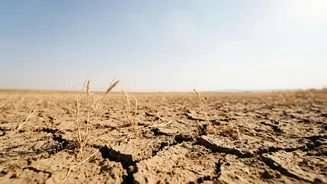
The link between the weather forecast and your kitchen budget is becoming increasingly direct. India's recent weaker-than-normal monsoon season has resulted in a significant rainfall deficit. This directly impacts crop production, as less rain means lower
soil moisture, which can stress and reduce the harvest of key staples like rice, pulses, and soybeans. The sowing of major kharif crops has already tracked lower than last year. Both excessive rain, which damages crops and disrupts transport, and insufficient rain, which reduces harvests, lead to lower supplies in the market and, consequently, higher prices for consumers. In July 2026, food inflation rose to 5.52%, with rural households often feeling a greater impact. Items like ginger, garlic, and onions have seen sharp price increases, putting pressure on everyday meal costs.
Plan Your Meals and Your List
The most effective way to combat rising prices is to start before you even enter a store. Walking into a supermarket without a plan is a recipe for impulse buys, which are a major source of overspending. Take a few minutes each week to plan your meals. Check your pantry and fridge to see what you already have, then create a detailed shopping list with only the items you need. Sticking strictly to your list is one of the most powerful habits for controlling your grocery spend. This simple discipline helps you avoid buying unnecessary snacks or duplicate items, reduces food waste, and keeps you within your budget.
Embrace Seasonal and Local Produce
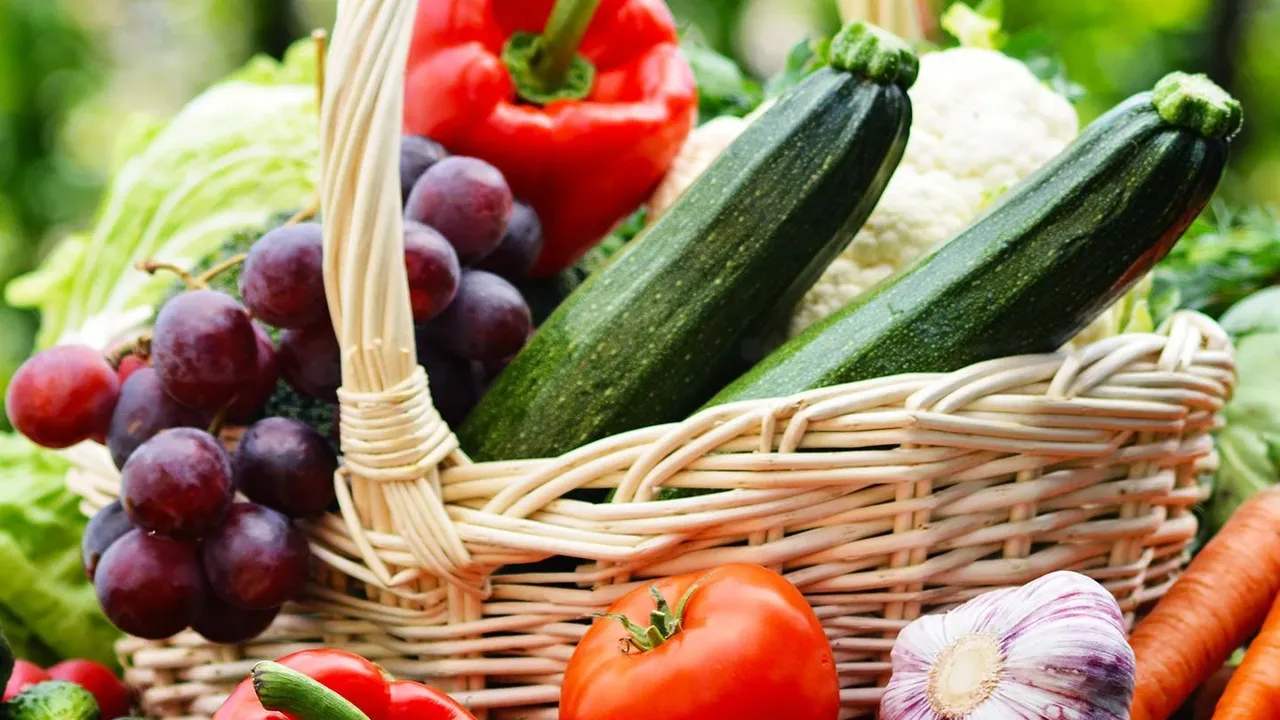
Fruits and vegetables that are in season and grown locally are almost always cheaper, fresher, and more nutritious. When produce is abundant, its price naturally drops. Shopping at your local mandi or directly from vendors can also help you bypass the markups and supply chain costs associated with large supermarkets. You'll often find better prices on staples like onions, potatoes, and leafy greens. Focusing your meals around seasonal availability not only saves you money but also adds variety to your diet throughout the year.
Buy Staples in Bulk, But Smartly
For non-perishable items that you use regularly, buying in bulk can lead to significant savings. Think rice, atta, dals, cooking oils, and spices. Wholesale markets or larger value packs at supermarkets consistently offer a lower price per unit compared to buying small quantities frequently. For example, a 5 kg bag of atta is often considerably cheaper than buying five separate 1 kg packs. However, this strategy only works for items with a long shelf life. Avoid buying perishable goods like bread or snacks in bulk, as the risk of spoilage can negate any potential savings.
Master the Art of Smart Storage
Reducing food waste is like finding free money. Proper storage can dramatically extend the life of your groceries. Store leafy greens wrapped in a damp cloth in the fridge, keep onions and potatoes in a cool, dark place, and learn which fruits and vegetables should be kept separate to prevent premature ripening. Use airtight containers for dals, spices, and flours to protect them from pests and moisture. By ensuring that what you buy gets eaten, you make every rupee spent on groceries count.
Be Strategic with Online Shopping
Quick-commerce apps are convenient but can encourage impulse spending on smaller, more expensive items. A smart approach is to split your shopping. Use larger online platforms like BigBasket or JioMart for your monthly bulk purchases of staples, where you can get better value. Reserve the quick-delivery apps for emergencies or fresh items you need immediately. Always look for stackable offers, combining coupons with bank card discounts or wallet cashback to maximize your savings on every order.