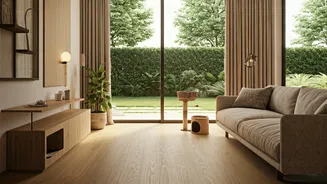






Start From the Ground Up
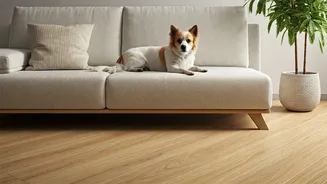
The foundation of a pet-friendly home is its flooring. While plush carpets might seem cozy, they are magnets for fur, dander, and accidents, making them difficult to clean. Instead, opt for hard, durable surfaces. Luxury vinyl tile (LVT) and modern laminate
flooring are excellent choices, offering impressive scratch and water resistance. Engineered hardwood is another solid option, though it's best to choose a finish that can be easily refinished if deep scratches occur. Ceramic or porcelain tiles are virtually indestructible and easy to clean, but their hard surface can be tough on a pet's joints. If you go this route, soften the space with strategically placed, washable area rugs to provide comfort and define zones within a room.
Choose Your Fabrics Wisely
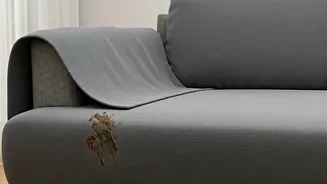
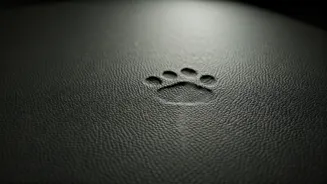
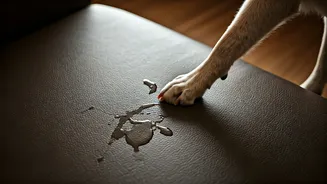
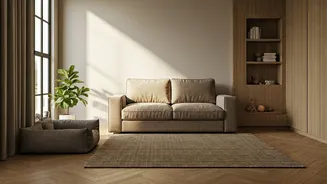
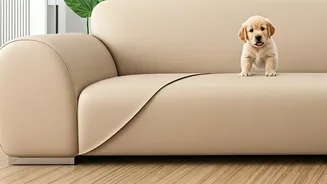
Your sofa doesn't have to be off-limits. The key is selecting the right upholstery. Performance fabrics, such as those treated with Crypton or similar stain-repellent technology, are a game-changer. They resist moisture, stains, and odours, allowing you to wipe away spills and messes with ease. Microsuede and velvet can also be surprisingly resilient, as their dense pile makes it harder for claws to snag. When it comes to colour and pattern, consider your pet. A light-coloured sofa might not be the best idea if you have a black Labrador. Choosing a patterned fabric or a colour that closely matches your pet's fur can work wonders in camouflaging shedding between cleanings. A stylish, machine-washable throw blanket is also a simple way to protect your furniture.
Designate a Pet Zone
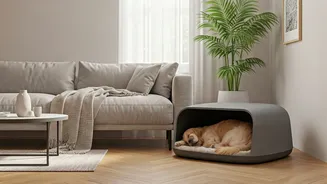
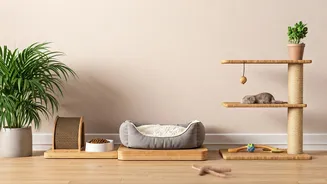
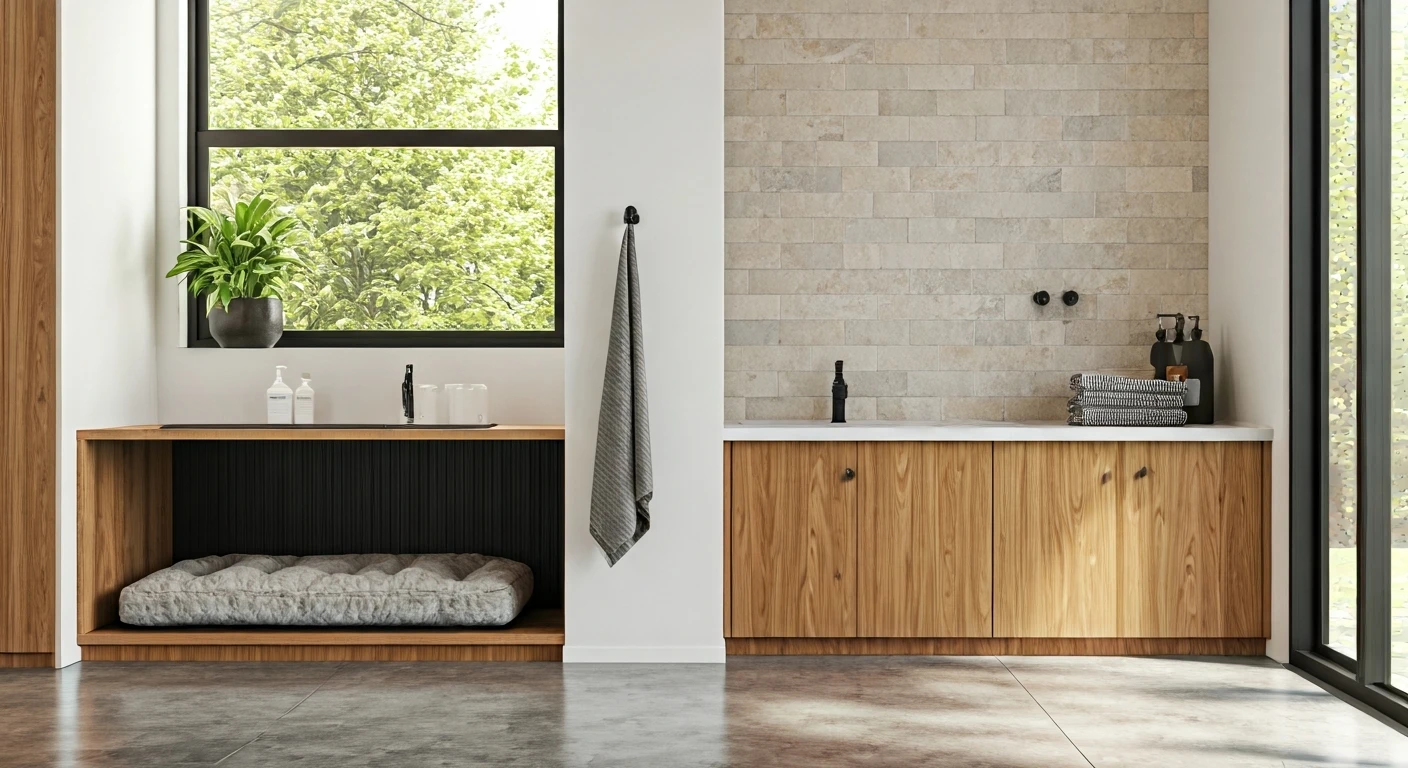
Giving your pet a designated space for their essentials helps keep the rest of your home tidy and organized. This doesn’t mean banishing them to a corner; it means integrating their needs seamlessly into your design. A mudroom, laundry room, or a specific nook can be transformed into a functional “pet station.” Consider custom built-ins that conceal food and water bowls, or stylish furniture that doubles as a discreet litter box enclosure. Wall-mounted hooks are perfect for leashes and collars, keeping them untangled and off the floor. A comfortable, well-designed bed that complements your decor will also encourage your pet to lounge in their own space instead of taking over yours.
Prioritise Pet-Safe Decor
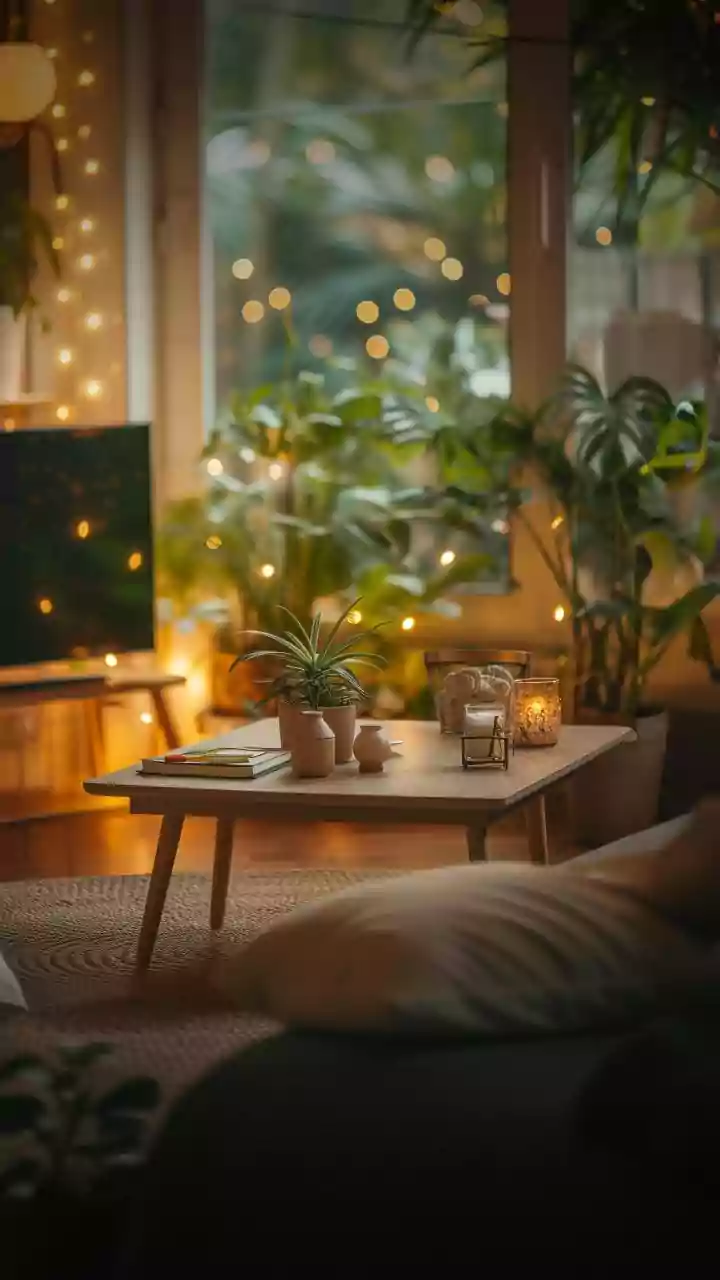
A beautiful home is a safe home. Many common houseplants, like lilies, tulips, and monsteras, are toxic to cats and dogs. Before bringing new greenery into your home, do a quick search to ensure it’s pet-safe. Options like spider plants, prayer plants, and most ferns offer lush foliage without the risk. Also, pay attention to electrical cords and window coverings. Pets, especially puppies and kittens, are known to chew on dangling wires, which poses a serious hazard. Use cord concealers or run them behind furniture. Similarly, opt for cordless window blinds to eliminate the risk of entanglement. These small adjustments are crucial for your pet’s well-being and your peace of mind.
Think Vertically, Especially for Cats
For cat owners, creating a stimulating environment means thinking beyond the floor. Cats are natural climbers who feel secure when they can survey their territory from a high vantage point. Instead of a clunky, carpeted cat tree, consider integrating vertical space into your design. Install a series of sleek, wall-mounted shelves or perches that allow your cat to climb and explore. This not only provides essential enrichment for your feline friend but can also serve as a unique, dynamic design element in a room. You can paint the shelves to match your wall colour for a minimalist look or use a contrasting colour to make them a statement piece.