

The Science of Better Taste
The first, most immediate reason to opt for a clean plate is taste. When food is cooked, countless chemical reactions create its unique flavour profile. As leftovers cool and sit, these reactions continue, often allowing flavours from aromatic ingredients
like garlic and onions to meld and deepen. However, when you place hot, freshly reheated food onto a plate with remnants of the old meal—a bit of dried sauce, some cooled oils—you introduce conflicting elements. Those old food particles have been exposed to air, and their fats may have begun to oxidise, a process that can create stale or cardboard-like notes. This subtly taints the flavour of your reheated meal, preventing you from enjoying it as intended. A clean plate ensures that the only flavours you taste are the ones that belong there, pure and unadulterated.
A Question of Texture
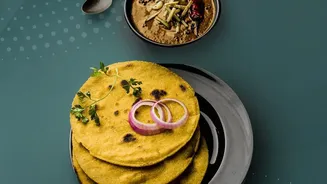
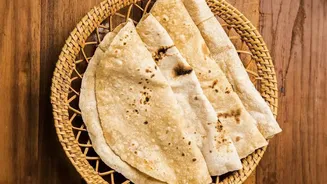
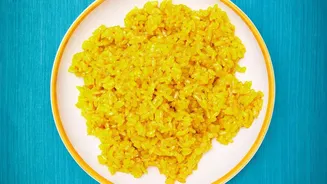
Beyond taste, texture is a huge component of what makes food enjoyable. Think of a crispy dosa, a fluffy piece of naan, or perfectly cooked rice. Now, imagine placing that carefully reheated food onto a plate with a smear of day-old curry or a few damp crumbs. The moisture and residue from the old meal will immediately begin to soften and degrade the texture of the new one. Crisp elements can become soggy, and distinct grains might clump together. The cooling process in the fridge already alters food texture, particularly with starchy items like potatoes or rice, due to a process called retrogradation. Using a used plate compounds this problem. A clean, dry plate acts as a neutral foundation, preserving the intended texture of your leftovers and ensuring the eating experience is as close as possible to the first time around. It prevents sogginess and helps maintain the structural integrity of the food.
The Non-Negotiable of Food Safety
Perhaps the most compelling argument for a clean plate is food safety. Any perishable food left at room temperature for more than two hours enters the “danger zone” (between 40°F and 140°F), where bacteria can multiply rapidly. While you may have refrigerated your leftovers promptly, the plate you ate from might have sat out for a while. Even if it was also refrigerated, any existing bacteria can persist. Placing hot food onto a cold, used plate can lower the food's overall temperature, potentially bringing it back into that danger zone and creating an environment where harmful microbes can thrive. Studies have shown that even washed dishes that are stacked while still wet can harbor significant bacterial growth. A used plate, with its invisible film of food residue, is an even more inviting surface for bacteria. To be safe, food should be reheated to an internal temperature of 165°F to kill off potential contaminants; using a dirty plate undermines that precaution.
The Simple Psychology of a Meal
Finally, there is a psychological component to consider. Eating is a sensory and emotional experience, not just a biological necessity. Using a clean plate is a small act of ritual that signals the beginning of a new meal. It mentally separates the act of eating leftovers from the chore of cleaning up. It’s a sign of respect for the food itself and for the effort that went into preparing it. Serving leftovers on a fresh plate elevates them from a mere afterthought to a proper, intentional meal. It provides a sense of a fresh start, allowing you to appreciate the dish anew. In a world of rushing and multitasking, taking a moment to grant your meal this small dignity can make eating a more mindful and enjoyable practice, transforming a mundane moment into a small pleasure.