







The New Reality of European Travel
Gone are the days of booking a flight and casually applying for a visa a few weeks before departure. The post-pandemic travel boom, coupled with new digital border systems, has created significant backlogs. Standard processing time is officially 15 calendar
days, but in reality, it can stretch to 30, 45, or even 60 days, especially during peak seasons from May to August. Some popular destinations like France and Italy see wait times climb to six or eight weeks during the summer rush. This delay is not just about high demand; it is also about increased scrutiny. Consulates are meticulously checking applications for consistency and accuracy, making a well-prepared file non-negotiable.
Visa First, Bookings Second
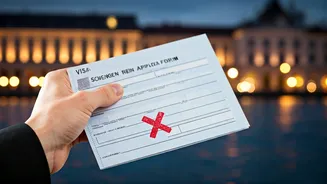
The single most important strategic shift is to treat your visa application as the first step of your trip, not the last. Securing non-refundable flights and hotels before you have a visa in hand is a significant financial risk. The rejection rate for Indian applicants is notable, with many refusals stemming from preventable errors. You can apply for a Schengen visa up to six months before your travel date, and experts recommend applying at least six to eight weeks in advance, or even earlier for summer travel. This buffer accommodates unpredictable processing times and the intense competition for booking an appointment slot at visa application centres like VFS Global.
Choosing the Right Embassy
Your visa strategy also involves choosing where to apply. The rule is to apply to the consulate of your main destination (where you will spend the most nights). If your stay is split equally between countries, you apply at the embassy of your first port of entry. This is where planning helps. During peak season, the processing time for a French visa can be weeks longer than for a Portuguese one. If your itinerary is flexible, you could plan to spend more time in a country with a reputation for faster and smoother processing, like the Netherlands or Lithuania, but only if this reflects your genuine travel plans. Falsifying your main destination is a common reason for rejection.
Building a Flawless Application
A successful application is a complete and honest one. Insufficient financial proof is the top reason for rejection for Indian applicants. Consulates examine bank statements from the last 3-6 months, looking for consistent income and a stable balance, not large, last-minute deposits. Your travel insurance must provide minimum coverage of €30,000 and be valid for your entire stay across all Schengen countries. Other critical documents include a detailed day-by-day itinerary, corresponding hotel reservations, flight bookings, and a cover letter explaining your purpose of travel. Every document must be consistent; a mismatch between your itinerary and hotel bookings, for instance, is a major red flag.
Understanding New Digital Systems
As of 2026, Europe's borders are more digital. The new Entry/Exit System (EES) has replaced manual passport stamping with digital biometric scans. This system automatically tracks your 90-day stay allowance within any 180-day period, making overstays impossible to hide. It’s also important not to confuse the Schengen visa with ETIAS. The European Travel Information and Authorisation System (ETIAS), expected to launch in late 2026, is for travellers from visa-exempt countries. Indian passport holders still need to apply for a traditional Schengen visa.