




Turning Concrete Jungles into Urban Sponges
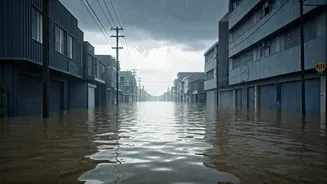
The core idea is a shift from grey to green infrastructure. For decades, urban planning has relied on concrete drains and sewers to expel rainwater as quickly as possible. This approach, however, wastes a precious resource and overwhelms systems during
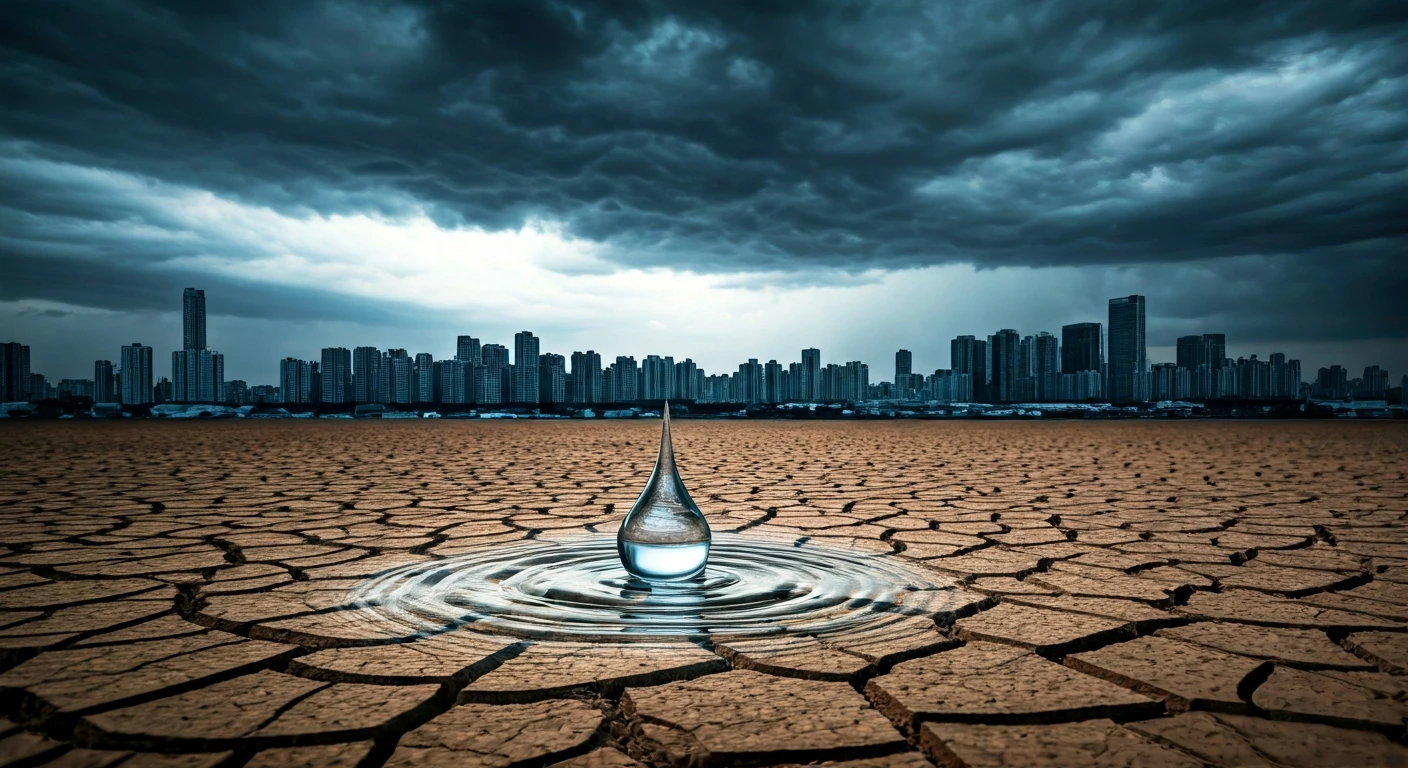
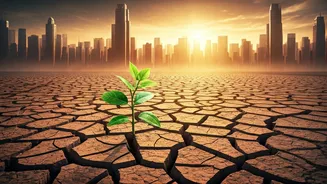
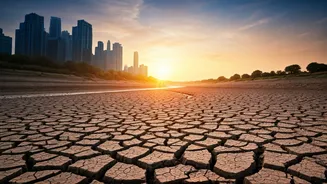
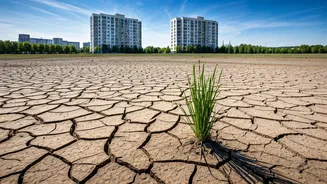
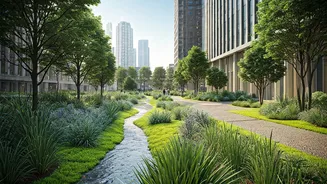
heavy downpours, leading to floods. The new trend, often called the 'sponge city' concept, aims to reverse this. It involves redesigning urban spaces to absorb, clean, and store rainfall, mimicking the natural water cycle that existed before the land was paved over. Instead of shedding water, the city acts like a giant sponge, soaking it up for later use and preventing it from becoming destructive runoff. This approach is gaining urgency as climate change brings more extreme and unpredictable weather.
More Than Just Rain Barrels
This eco-friendly trend goes far beyond simply placing a barrel under a downspout. It involves a suite of nature-based solutions. One key component is creating more permeable surfaces. This includes using special porous asphalt on roads and sidewalks that allows water to seep through into the ground instead of pooling on top. Another popular technique is the installation of rain gardens. These are shallow depressions filled with native plants and absorbent soil that collect runoff from roofs and streets, filtering pollutants and allowing water to slowly infiltrate the ground. On a larger scale, cities are developing green roofs, restoring urban wetlands, and creating interconnected green spaces and ponds that can hold and naturally treat large volumes of stormwater.
A Ripple Effect of Benefits
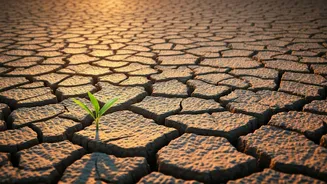
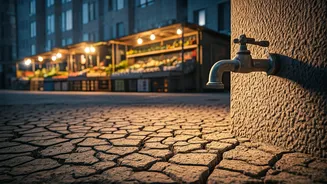
The advantages of turning cities into sponges are numerous. The most immediate benefit is flood mitigation; by absorbing rainfall, these systems reduce the strain on conventional drainage infrastructure. At the same time, they tackle water scarcity by recharging depleted groundwater aquifers. This captured water can be used for non-potable purposes like flushing toilets, irrigation for parks, and industrial processes, reducing the demand on municipal water supplies. Furthermore, this green infrastructure helps purify water by filtering out pollutants like oil and heavy metals from runoff. These green spaces also combat the urban heat island effect, improve air quality, create habitats for biodiversity, and provide residents with more aesthetically pleasing and healthier environments.
Pioneering Projects in India
Across India, this concept is taking root as a practical response to water challenges. Government initiatives like the Jal Shakti Abhiyan and the Atal Mission for Rejuvenation and Urban Transformation (AMRUT) are actively promoting rainwater harvesting and sustainable water management. States like Tamil Nadu and Karnataka have been leaders, with cities such as Chennai and Bengaluru making rainwater harvesting systems mandatory for many buildings. Chennai has gone further, developing 'sponge parks' designed specifically to absorb and store millions of litres of rainwater, serving as a model for climate-resilient urban planning. Similar projects exploring green infrastructure to manage stormwater are being implemented in cities like Kochi, Ahmedabad, and Bhubaneshwar, demonstrating a nationwide move toward more sustainable urban water management.