







A Tale of Two Monsoons
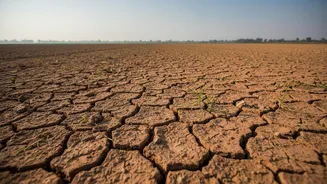
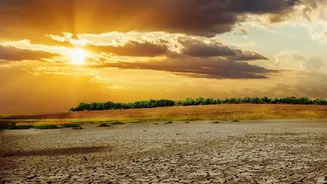
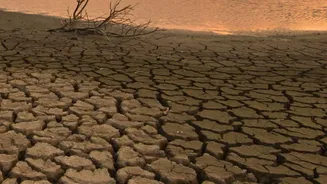
The 2026 southwest monsoon has been a story of contrasts. After a weak start in June, a July revival brought relief, but the distribution has been far from even. As of mid-August, many districts, particularly in the southern peninsula and eastern India,
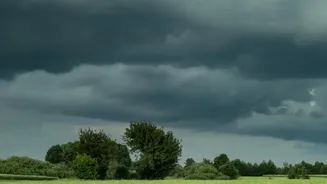
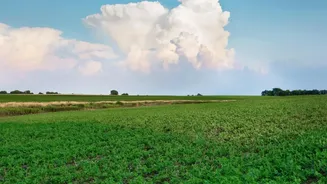
have recorded rainfall deficits of 20% or more. At the same time, other areas have experienced heavy to very heavy rainfall, leading to floods and crop damage. This patchiness is the central challenge. The India Meteorological Department (IMD) has forecast a 'below-normal' second half of the monsoon for August and September, influenced by developing El Niño conditions, which historically weaken monsoon rains over India.
The Impact on Kharif Sowing
The timing and spread of monsoon rains are critical for the sowing of kharif (summer) crops. This year's erratic pattern has directly affected planting decisions. As of August 14, the total area sown with kharif crops was about 2% lower than the previous year. The sowing of rice, the main kharif staple, has been particularly affected, with acreage down by 3.7%. Other important crops like pulses (tur) and some coarse cereals have also seen a decline in planting. While sowing for oilseeds has seen some improvement, the overall picture suggests potential constraints on production if yields are affected by poor rainfall in the crucial growing stages of August and September.
From Field to Your Plate
The link between rainfall and food prices is direct and often swift, especially for vegetables and other perishable goods. Uneven rain can disrupt supply chains, damage standing crops, and create regional shortages, leading to price spikes for items like onions and tomatoes. Even for staples like rice and pulses, a shortfall in production tightens supply, pushing up wholesale and, eventually, retail prices. Food inflation has already been a concern, with the Consumer Food Price Index (CFPI) rising to 5.52% in July. Experts note that food prices will remain the key factor driving overall inflation in the coming months.
The View from the Reserve Bank
The Reserve Bank of India (RBI) is closely monitoring the situation. In its recent policy review in August, the RBI acknowledged that the uptick in inflation is largely driven by food and fuel prices. While the central bank has held interest rates steady for now, it has highlighted the uneven monsoon and El Niño as key risks to the inflation outlook. The RBI currently projects that inflation may peak in the October-December quarter, a period that coincides with India's main festive season. Their wait-and-watch approach underscores the uncertainty, as the full impact of the monsoon on crop output and prices will only become clear in the coming months.
What Happens Next?
The final performance of the monsoon in August and September will be crucial. Forecasts for fresh rain systems developing over the Bay of Bengal could bring much-needed moisture to central, east, and north India, potentially offsetting some of the deficits. However, the sowing window for most kharif crops is now closed, meaning the final harvest size depends on the yield from already-planted areas. A prolonged dry spell from here could stress crops during their critical growth phase, impacting productivity. For consumers, this means that while widespread shortages are not yet predicted, price volatility for specific food items is a distinct possibility through the end of the year.