






The First Glance: Why Lighting Matters More Than You Think
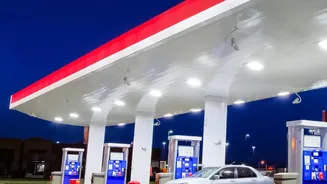
When you pull off a highway after dark, the first thing you notice is the lighting. It’s more than just a convenience; it’s a critical first indicator of a stop’s overall quality and safety. Well-lit areas are a powerful deterrent to criminal activity,
creating a sense of security for all travellers, especially families and those driving alone. Ample lighting around the parking lot, entrance, and seating areas suggests the management has invested in their establishment and cares about their customers' well-being. A brightly lit compound allows you to quickly assess the environment: is it clean? Are there other families present? Does the staff seem professional? Conversely, dimly lit or shadowy places can hide a multitude of problems, from unhygienic conditions to potential security risks. Driving in poorly lit environments can also cause fatigue and anxiety. Making a stop at a place that is bright and welcoming helps reduce that stress, allowing you to relax properly before getting back on the road. Don't underestimate your first impression; if a place feels unsafe due to poor lighting, it's often best to trust that instinct and move on.
The Essential Test: Judging a Stop by Its Washrooms
Before you even look at a menu, take a walk to the washroom. The state of the toilets is one of the most reliable proxies for the state of the kitchen. An establishment that maintains clean, functional, and hygienic washrooms is far more likely to uphold similar standards where your food is prepared. What should you look for? The basics are non-negotiable: running water, soap, and a relatively dry floor. A clean washroom doesn't have to be fancy, but it should be evident that it is cleaned regularly. An overpowering stench, overflowing bins, or a lack of basic supplies are major red flags. Many experienced travellers in India operate on this principle, understanding that hygiene is a mindset. If an owner is cutting corners on something as public-facing as the washroom, it’s almost certain that similar or worse compromises are being made behind the kitchen doors, where standards are harder for customers to observe. A quick check can save you from the notorious 'Delhi belly' and ensure your trip remains a pleasant one.
Beyond the Menu: The Secret to Fresh Food Turnover
The most common advice from seasoned highway travellers is to stop where the trucks and families are. A busy parking lot is the best advertisement for a roadside eatery, or dhaba, because it signals high food turnover. High turnover means ingredients are bought frequently and are less likely to be stale or spoiled. The food is cooked continuously, not reheated after sitting for hours. This is your best defence against foodborne illness. When you're at a busy stop, you can further improve your odds by ordering simple, popular dishes that are cooked fresh. Think hot-off-the-tava rotis or parathas, freshly made dal, or anything that comes steaming from the tandoor. Be wary of pre-cut salads, raw chutneys that have been sitting out, and dairy-based items like raita if you can't be sure of their freshness and refrigeration. While the elaborate menu at an empty restaurant might seem tempting, the simple, freshly prepared meal at a bustling dhaba is almost always the safer, and often tastier, choice. Observing what others are eating can also be a good guide to what is fresh and popular.
Putting It All Together: A Smart Traveller's Checklist
The key to a successful pit stop is not finding a place that excels in one area but fails in others. It's about finding the right balance. A dhaba with amazing food but filthy toilets is a health risk. A well-lit, clean stop with no customers is suspicious—why is no one eating there? A busy spot with dirty, dark corners is a security concern. A smart traveller learns to perform a quick mental audit. As you pull in, assess the lighting and the crowd. Before you commit, one person can check the washrooms while another observes the kitchen and food counter. Look for covered food vessels and staff who appear clean and organised. Does the place feel managed and cared for, or chaotic and neglected? Is there an owner present and visible? This entire assessment can be done in a few minutes. By consciously balancing the pillars of good lighting (safety), clean washrooms (hygiene), and high food turnover (quality), you develop an instinct for choosing stops that enhance your journey rather than detract from it.