




Choose Your Rainforest Sanctuary Wisely
The heart of a Wayanad monsoon trip is the stay itself. Opt for resorts or homestays that are well-equipped for the season, often marketing themselves as 'rainforest experiences'. Properties like those in Lakkidi or Vythiri are designed for you to enjoy
the rain, not just hide from it. Look for accommodations with covered verandahs, good road access, and positive reviews for monsoon-season hospitality. A plantation stay can be particularly rewarding, offering a serene atmosphere amidst coffee and spice groves. Before booking, it's wise to call ahead and ask about the current road conditions and any potential accessibility issues, especially if the property is in a remote location.
Navigate the Roads with Caution
Driving in Wayanad during the monsoon can be scenic but requires extra care. The ghat sections, like the famous Thamarassery Churam with its nine hairpin bends, become slick and can be shrouded in thick fog. Local advice is consistent: travel during daylight hours and avoid navigating these tricky roads after dark in a downpour. While main routes from cities like Bangalore and Kozhikode generally remain open, budget extra time for your journey due to slower traffic. If you're not confident driving in these conditions, hiring a local driver who understands the terrain is a sensible alternative. Be aware that some forest routes, such as the Bandipur stretch of NH 766, have night traffic bans, typically from 9 PM to 6 AM, which needs to be factored into your travel plans.
Pack for a Wet and Cool Climate
Packing correctly is crucial for a comfortable trip. The goal is to stay dry and warm. Quick-dry clothing is far more practical than heavy fabrics like denim, which take ages to dry in the humidity. Essential items include a reliable raincoat, a windproof umbrella, and waterproof, anti-slip footwear. Since temperatures can range from 18°C to 25°C, a light jacket or sweater is necessary for the cool evenings. Protect your electronics with waterproof bags or cases. Also, pack a basic first-aid kit with antiseptic, bandages, and any personal medications, as reaching a pharmacy can be difficult during heavy rain.
Prioritise Health and Hygiene
The monsoon is a challenging time for health in Kerala, with a higher risk of water-borne and mosquito-borne illnesses. To stay healthy, drink only boiled, filtered, or bottled water and be cautious about street food. Wash your hands frequently. High humidity can also lead to fungal infections, so keeping dry is important. Mosquitoes are more prevalent, so using repellent is a must, especially in the evenings and near forested areas. Leeches are also common on wet trails; wearing closed shoes and checking your feet and legs after walks is a good practice. It's advisable to carry oral rehydration salts (ORS) and basic medicines for fever or digestive issues.
Adapt Your Itinerary to the Weather
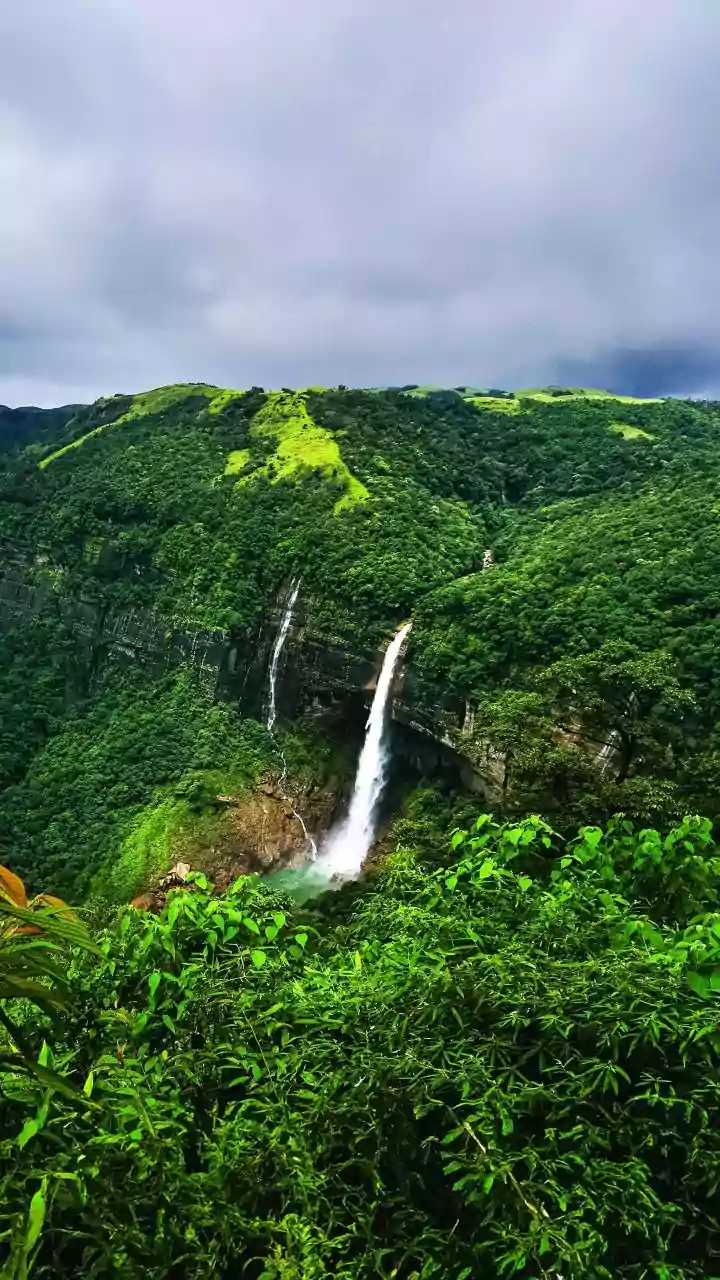
A monsoon itinerary should be flexible. While the rains bring waterfalls like Soochipara and Meenmutty to their thundering best, access might be temporarily restricted for safety during very heavy downpours. It's best to check on the day before heading out. Plan outdoor activities like visiting Pookode Lake or viewpoints for the mornings, as rains often intensify in the afternoons. Keep an eye on local news and weather advisories for any warnings about landslides, particularly in vulnerable areas. Embrace the slower pace; this is the perfect season for enjoying a cup of fresh coffee on your balcony, indulging in an Ayurvedic treatment, or simply reading a book to the sound of the rain.