




Why Whole Fruit Wins
Before we dive into the best picks, it's important to understand why food beats a formula. Supplements typically offer isolated nutrients, like a high dose of Vitamin C. A whole fruit, however, delivers that same vitamin as part of a complex package.
This 'food matrix' includes fiber, water, antioxidants, and thousands of beneficial plant compounds called phytonutrients. These elements work in synergy, enhancing absorption and providing anti-inflammatory and gut-health benefits that a standalone supplement simply can't replicate. Plus, the fiber in fruit helps regulate blood sugar, preventing the energy spikes and crashes that can come from some processed supplements and foods.
Berries: Your Antioxidant Army
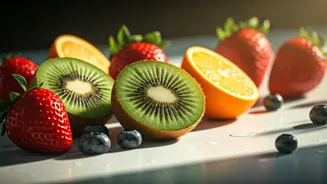
Whether it’s blueberries, strawberries, or raspberries, these small fruits are nutritional giants. They are packed with antioxidants, particularly flavonoids, which help your body fight off oxidative stress—a major factor in chronic illness and weakened immunity. During periods of damp, gloomy weather when you might feel more sluggish, the vibrant burst from a bowl of berries offers more than just flavor. They provide a potent dose of Vitamin C and fiber, supporting both your immune cells and the healthy gut bacteria essential for keeping you well.
Citrus Fruits: The Vitamin C Classics
Oranges, grapefruits, lemons, and limes are the go-to choice for immunity, and for good reason. They are famously high in Vitamin C, a crucial nutrient that encourages the production of white blood cells, the body's primary defense against infection. But grabbing an orange is far superior to just popping a Vitamin C tablet. The fruit also contains flavonoids that can enhance the action of Vitamin C in the body. Furthermore, the fleshy pulp provides soluble fiber, which feeds beneficial gut bacteria, directly linking your snack to a more resilient immune system.
Papaya: The Tropical Digestive Aid
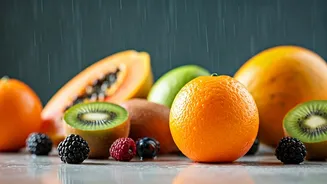
Often associated with warm, rainy climates, papaya is a perfect example of a fruit that does more than one job. It’s rich in Vitamin C and Vitamin A, both critical for immune function. But its secret weapon is an enzyme called papain. This enzyme aids in protein digestion and has anti-inflammatory properties, helping to soothe the digestive system. Since a huge portion of your immune system resides in your gut, keeping it happy and calm is a first-line defense against seasonal bugs. A slice of papaya can be a gentle and effective way to support both digestion and immunity simultaneously.
Pomegranate: The Ruby-Red Protector
The jewel-like seeds of a pomegranate are filled with some of the most powerful antioxidants in the food world, including punicalagins and anthocyanins. These compounds are potent anti-inflammatories, helping to quell the low-grade inflammation that can tax your immune system. Studies suggest that pomegranate juice has stronger antioxidant activity than red wine or green tea. Instead of a supplement promising 'antioxidant support,' eating a handful of pomegranate seeds or drinking its pure juice provides a complex and effective shield for your cells.
Apples: The Everyday Immune Staple
An apple a day might not be a magic spell, but it's sound advice. Apples contain a respectable amount of Vitamin C, but their real strength lies in their pectin, a type of soluble fiber. Pectin acts as a prebiotic, feeding the good bacteria in your gut. A healthy gut microbiome is fundamental to a strong immune response. Apples also contain an important flavonoid called quercetin, which has been shown to have antiviral and immune-regulating properties. It’s a simple, crunchy, and affordable way to give your body a daily dose of wellness.