




Ladakh: The High-Altitude Desert
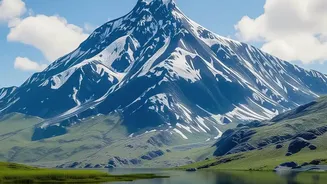
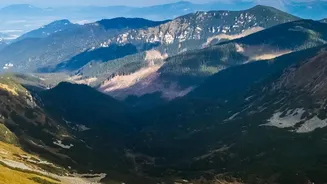
Known as the 'Land of High Passes', Ladakh is a classic choice for a monsoon-free escape. Situated in a rain shadow created by the Himalayas, this high-altitude desert receives minimal rainfall, offering clear blue skies and pleasant daytime temperatures
when most of India is drenched. July and August are considered the best months to visit, as the roads are open and the weather is ideal for exploring. The landscape is a stunning canvas of barren mountains, deep valleys, and pristine blue lakes like Pangong Tso and Tso Moriri. Adventure seekers can indulge in trekking, river rafting, and motorbiking across some of the world's highest motorable passes, while those seeking tranquility can visit ancient Buddhist monasteries like Hemis and Thiksey that cling to cliffsides.
Spiti Valley: A World Within a World
For those seeking a destination similar to Ladakh but with fewer crowds, Spiti Valley in Himachal Pradesh is an excellent alternative. Like Ladakh, it is a cold desert shielded from the monsoon by the main Himalayan range, resulting in a dry and sunny climate during July and August. Spiti offers a raw, untouched beauty with its rugged terrain, quiet villages, and ancient monasteries perched on hilltops. The drive to Spiti itself is an adventure, with breathtaking views at every turn. Key attractions include the thousand-year-old Key Monastery, the picturesque village of Kibber, and the serene Chandratal Lake. While known for its stark landscape, light monsoon showers can bring a surprising green hue to the valley, creating a unique contrast against the brown mountains.
Tamil Nadu's Eastern Coast: A Different Monsoon Cycle
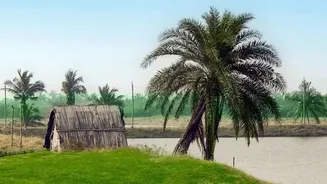
While much of India experiences the southwest monsoon from June to September, the coastal and eastern parts of Tamil Nadu remain relatively dry. This region gets most of its rainfall during the northeast monsoon, which occurs from October to December. This makes places like Puducherry and the surrounding Coromandel Coast ideal for a monsoon getaway. You can explore the charming French-style streets of Puducherry, relax on its peaceful beaches, and enjoy its unique culinary scene without worrying about constant rain. Further south, areas near Tirunelveli and the Coromandel coast also lie in a rain shadow, offering a different kind of natural beauty with palmyra groves and unique semi-arid landscapes.
The Deccan Plateau: Hampi's Bouldered Landscape
The central Deccan Plateau, lying to the east of the Western Ghats, also receives significantly less rainfall than the coastal regions. A prime example is the area around Hampi in Karnataka. While it does receive some showers, they are generally light and sporadic, washing the dust off the ancient ruins and making the boulder-strewn landscape even more dramatic. The Tungabhadra river flows with renewed vigour, and the surrounding paddy fields turn a vibrant green. Exploring the UNESCO World Heritage site, with its magnificent temples, palaces, and royal enclosures, is more pleasant in the cooler, post-shower weather. The unique geography and historical significance make it a compelling choice for those interested in history and photography.
Valley of Flowers: Where Rain Creates Magic
This final destination is for those who don't mind a bit of rain, because here, the monsoon is the main event. The Valley of Flowers National Park in Uttarakhand, a UNESCO World Heritage Site, only reveals its full glory from July to September. The monsoon showers trigger a spectacular bloom of over 300 varieties of alpine flowers, carpeting the valley in a vibrant tapestry of colours. While trekking here involves navigating wet trails and expecting periodic showers, the reward is a once-in-a-lifetime spectacle. The cool, misty weather and the vibrant flora, including the elusive blue poppy and Brahma Kamal, make it an unforgettable experience for nature lovers and trekkers willing to embrace the season.