





Houston, We Have a Gut Problem
Venturing into space is a profound challenge for the human body, and the digestive system is on the frontline. Astronauts on the International Space Station (ISS) contend with a hostile environment defined by microgravity, cosmic radiation, stress, and a diet
of pre-packaged foods. These factors conspire to disrupt the delicate balance of the gut microbiome, the vast community of bacteria living in our intestines. Recent studies have shown that without gravity's help, food and waste move much more slowly through the digestive tract. This slowdown gives gut microbes time to consume all available carbohydrates and fibre, forcing them to switch to fermenting protein for energy—a process that can lead to constipation, bloating, and discomfort.
The Martian Magnification
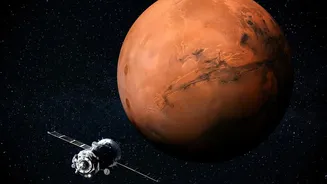
While gut issues are manageable for astronauts on six-month ISS tours, a mission to Mars is a different league. A round trip could take up to three years, dramatically magnifying the health risks. Prolonged constipation and microbial imbalance, known as dysbiosis, are linked to serious long-term health problems, including an increased risk of inflammatory bowel disease, heart disease, and even colorectal cancer. Furthermore, emerging research links shifts in gut bacteria to mental health, with certain microbial changes associated with increased anxiety and stress—a significant concern for a small crew isolated millions of kilometres from Earth. The inability to quickly return or receive supplies means that any health crisis, even one starting in the gut, could jeopardize the entire mission.
A Menu for a Healthy Mission
Recognizing this, researchers are developing a new toolkit of nutritional strategies to protect future Mars explorers. The most straightforward solution is a diet overhaul. Scientists propose a menu rich in "slow-fermented carbohydrates" and dietary fibre. Foods like vegetables, lentils, whole grains, and nuts would provide a steady fuel source for beneficial gut bacteria, keeping them busy fermenting fibre instead of protein. This not only helps maintain regular bowel movements but also supports a more diverse and resilient microbiome. Probiotic and prebiotic supplements are also being explored. Probiotics introduce beneficial bacteria, while prebiotics provide the specific fibres that help them thrive. Even freshly made yoghurt, rich in probiotics, has been tested in Mars-analogue missions with positive results on crew well-being.
The Future of Space Food
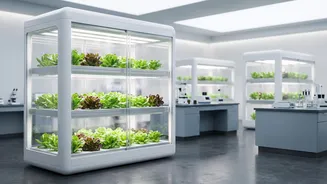
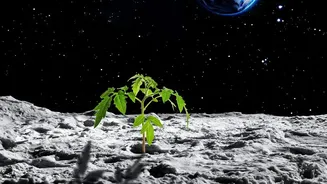
Looking further ahead, NASA and other agencies are investigating even more advanced solutions. One area of focus is bioengineering crops that could be grown in space to have higher concentrations of essential nutrients like calcium and antioxidants to combat bone loss and immune issues. Personalized nutrition is another promising frontier, where an astronaut's diet could be tailored to their unique genetic makeup and microbial profile to maximize health benefits. In the quest for self-sufficiency on long voyages, some researchers are even developing systems that can convert astronaut waste into a safe, protein-rich food source using microbes. While it may sound unappetizing, this kind of closed-loop system could be revolutionary, solving waste management and food scarcity in one go. Ultimately, ensuring our gut can handle the journey is just as critical as building the rocket that gets us there.